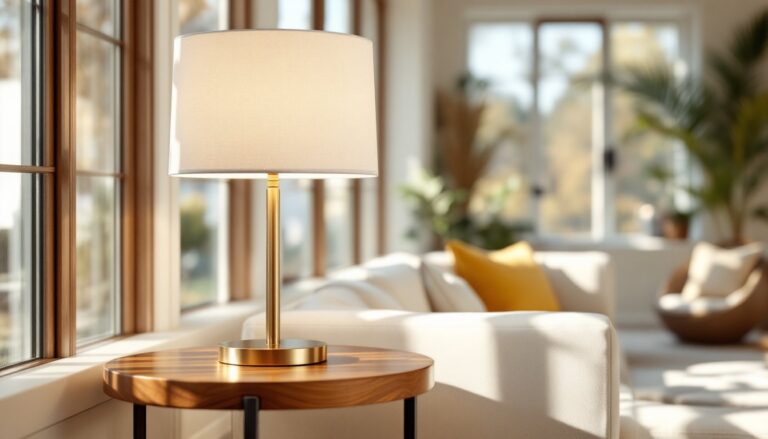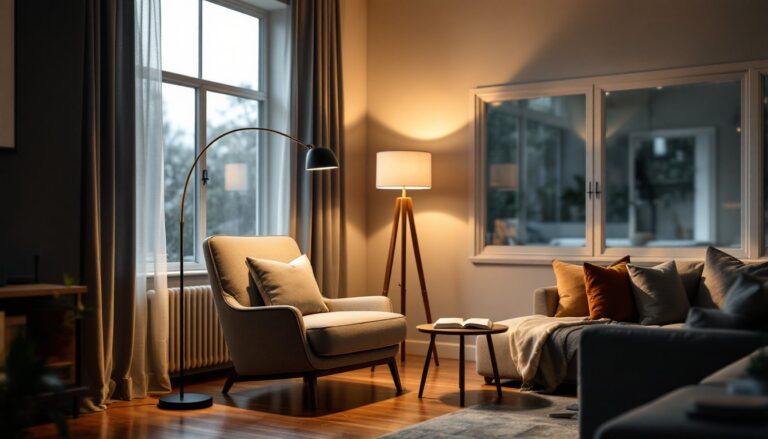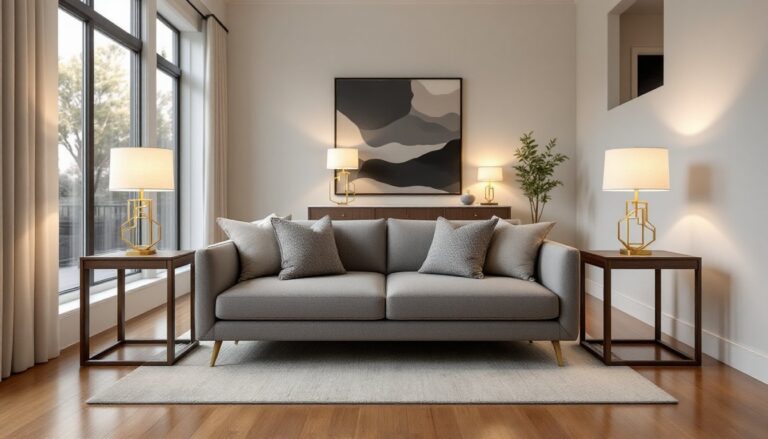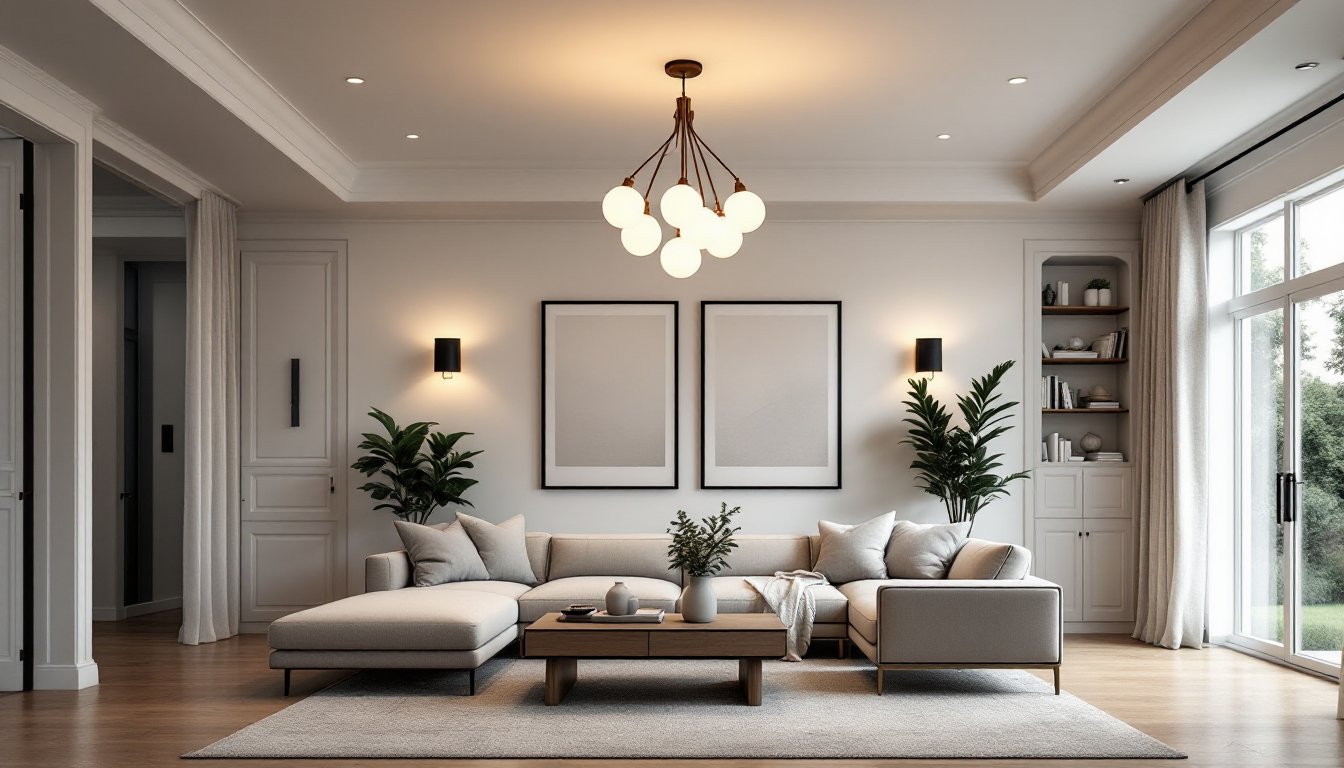
Ceiling lights do more than fill a lounge room with light, they shape how the whole space feels after sunset. Pick the wrong fixture and a comfortable lounge can feel like a waiting room. Pick the right one and even a basic sofa setup starts to look intentional. This guide walks homeowners and DIYers through choosing ceiling lights for the lounge room in 2026, covering fixture types, sizing rules, bulb choices, and the installation mistakes that trip people up most often.
Table of Contents
ToggleKey Takeaways
- Ceiling lights for lounge rooms should provide ambient light as the foundation, with layered lighting from sconces and lamps creating the best overall effect.
- Size your fixture by adding the room’s length and width in feet and converting to inches—a 12×14 foot lounge needs roughly a 26-inch diameter fixture.
- Choose warm bulbs at 2700K to 3000K with a CRI of 90 or higher and install dimmable LEDs to match your lounge’s mood and décor style.
- Hang pendants and chandeliers at least 7 feet above the floor in walking areas, or 30-36 inches above a coffee table for an intimate feel.
- Cut power at the breaker, verify with a voltage tester, and confirm your electrical box can support the fixture’s weight before installation.
Why Ceiling Lights Set the Tone in Your Lounge Room
The lounge room is usually the most-used social space in a home, which means its lighting has to handle multiple jobs: movie nights, reading, conversation, and the occasional dinner party. A single overhead fixture rarely covers all of that well on its own, but it does set the foundation everything else builds on.
Ceiling fixtures provide what designers call ambient light, the general illumination that makes a room usable. Without a solid ambient layer, even great floor lamps and living room wall sconce lighting will feel patchy. Think of the ceiling fixture as the bass line, everything else is melody.
Popular Types of Lounge Room Ceiling Lights
Lounge room ceiling lights come in more varieties than most homeowners realize, and the right choice depends heavily on ceiling height, room size, and how the space gets used. Below are the categories worth knowing before shopping.
Flush and Semi-Flush Mounts
Flush mounts sit tight against the ceiling and work best in rooms with ceilings under 8 feet. They’re unobtrusive, easy to clean, and a smart pick for rentals or rooms with ceiling fans nearby.
Semi-flush mounts drop down 4 to 12 inches, giving a bit more visual presence without eating headroom. They’re a strong middle-ground option for ceilings between 8 and 9 feet, and they shine in transitional or traditional decor.
Pendants, Chandeliers, and Recessed Options
Pendants and chandeliers are statement pieces. A chandelier centered over a coffee table can anchor the entire seating arrangement, especially in rooms with 9-foot or taller ceilings. For a more modern feel, an adjustable pendant fixture lets homeowners fine-tune drop height after installation.
Recessed cans, often called downlights, disappear into the ceiling and deliver even washes of light. They pair well with other fixtures rather than working alone. Homeowners considering this route should review the different types of recessed lighting before cutting any holes, since trim style and beam spread matter more than most people expect.
Sizing, Placement, and Layering for the Right Balance
Sizing a fixture is where a lot of lounge rooms go wrong, usually with a chandelier that looks tiny floating in the middle of a 16-foot ceiling. A reliable rule: add the room’s length and width in feet, then convert that number to inches. A 12 by 14 foot lounge calls for a fixture roughly 26 inches in diameter.
For hanging height, the bottom of a pendant or chandelier should sit at least 7 feet above the floor in walking areas, or about 30 to 36 inches above a coffee table if it’s centered over one.
Layering is the part most DIYers skip. A good lounge plan combines:
- A central ceiling fixture for ambient light
- Recessed cans or angled recessed lighting to wash walls or highlight art
- Wall sconces or floor lamps for reading and mood
Design editors at HGTV consistently point to layered lighting as the single biggest upgrade in a living space, and they’re right, one fixture rarely does it all.
Style and Bulb Choices That Match Your Decor
Style should follow the rest of the room, not fight it. A farmhouse lounge with shiplap and reclaimed wood pairs naturally with matte black or aged brass fixtures. A mid-century setup leans toward globe pendants and sputnik chandeliers. For more traditional ceiling lights for drawing room setups, crystal or fabric-shaded fixtures still hold up well in 2026.
Bulb choice matters just as much as the fixture itself. A few specifics worth locking in:
- Color temperature: 2700K to 3000K for a warm, lounge-friendly glow. Anything above 3500K starts feeling office-like.
- Lumens: Aim for 10 to 20 lumens per square foot of ambient light in a lounge.
- CRI (Color Rendering Index): 90 or higher keeps skin tones and artwork looking accurate.
- Dimmable LEDs: Non-negotiable. They cut energy use and let one fixture serve multiple moods.
For inspiration on combining fixtures and finishes, the team at Home Bunch regularly features lounge rooms where ceiling fixtures, sconces, and lamps actually work together instead of competing.
Installation Tips and Common Mistakes to Avoid
Swapping a like-for-like ceiling fixture is a reasonable DIY job for someone comfortable with basic wiring. Adding new circuits, moving a junction box, or running cable through finished ceilings is a different story and often requires a licensed electrician and a permit under the National Electrical Code (NEC). Codes vary by jurisdiction, so homeowners should check locally before cutting drywall.
A few non-negotiables before starting:
- Cut power at the breaker, not just the wall switch, and verify with a non-contact voltage tester.
- Wear safety glasses when working overhead, debris falls fast.
- Confirm the electrical box is rated for the fixture’s weight. Standard boxes handle up to 50 lbs, heavier chandeliers need a fan-rated or saddle-braced box.
- Match wire gauges and use proper wire nuts, no electrical tape shortcuts.
Common mistakes worth flagging:
- Hanging fixtures too high, which kills the intimate feel a lounge needs.
- Skipping dimmer compatibility, many LEDs flicker on standard dimmers.
- Choosing a fixture before measuring the ceiling box location, which can leave it off-center over the seating.
- Ignoring layered lighting. Even a great central fixture needs support from sconces or lamps, as the House Beautiful guide to layered living-room lighting lays out clearly.
For homeowners eyeing a more flexible setup, pendant track lighting systems let them reposition heads after install, which is forgiving when furniture moves around. And anyone planning to tackle adjacent rooms at the same time can pull useful crossover ideas from a guide to ceiling kitchen lighting, since fixture finishes often need to coordinate across an open floor plan.
The right ceiling fixture won’t fix a poorly arranged lounge, but the wrong one can undermine an otherwise great room. Measure twice, layer the light, pick warm dimmable bulbs, and call an electrician for anything beyond a swap. Done right, lounge room ceiling lights become the quiet feature guests notice without quite knowing why.