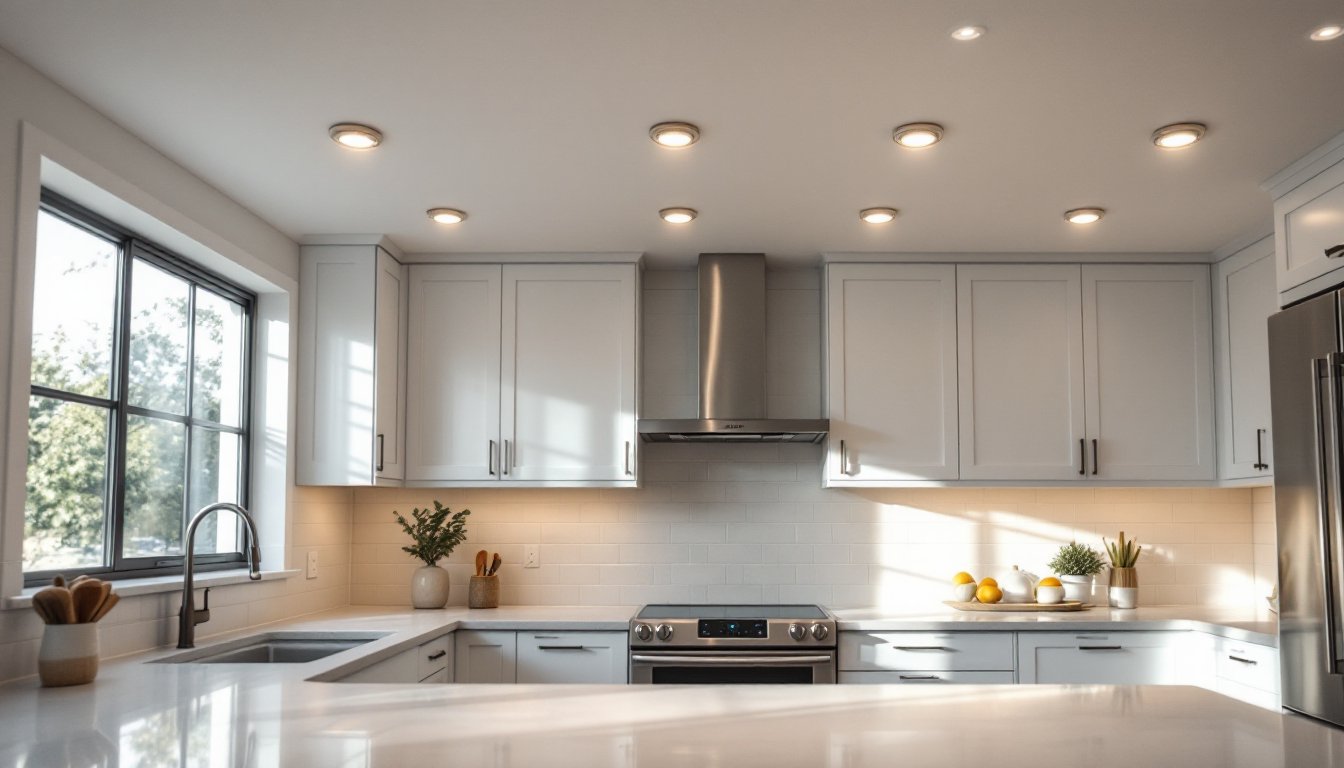
Recessed lighting, also called can lights or downlights, has become the go-to solution for homeowners wanting clean, modern illumination without visible fixtures cluttering their ceilings. These fixtures sit flush with drywall, offering a sleek look that works in contemporary, transitional, and even traditional spaces. But picking the right recessed lights involves more than just deciding how many you need. Bulb type, trim style, and brightness levels all affect how a room looks and feels. This guide breaks down the main types of recessed lighting so you can make confident choices for your space.
Table of Contents
ToggleKey Takeaways
- Recessed lighting types vary by trim style (baffle, reflector, wall wash, and directional), each designed to control glare, spread light, or provide task flexibility in different rooms.
- LED bulbs are the best choice for modern recessed lighting, offering 75–80% energy savings, long lifespan (25,000–50,000 hours), and compatibility with dimming controls.
- Proper lumen levels are essential: bedrooms need 400–700 lumens per fixture, kitchens require 900–1,100 lumens, and bathrooms typically need 800–1,000 lumens depending on room size and function.
- Always verify your ceiling type and IC-rating before installation; IC-rated housings allow insulation contact, while non-IC housings must sit 3 inches away to comply with fire safety codes.
- Calculate fixture count based on room square footage and footcandles (bedrooms: 10–20 fc; kitchens: 30–50 fc) to achieve even illumination without dark spots or wasted energy.
- Investing in quality fixtures from established manufacturers, professional installation, and dimmable controls prevents costly repairs, ensures better performance, and reduces long-term energy expenses.
What Is Recessed Lighting And Why It Matters For Your Home
Recessed lights consist of three main parts: the housing (installed inside the ceiling cavity), the trim ring (the visible part you see from below), and the bulb. Unlike pendant lights or chandeliers that hang down, recessed fixtures tuck fully into the ceiling, making them ideal for rooms with lower ceilings or minimalist design goals.
The appeal goes beyond aesthetics. Recessed lighting distributes illumination evenly across a room, reduces shadows, and can be layered with other light sources to create ambiance. They’re also practical, no dusting around elaborate light fixtures, and they don’t interfere with ceiling fans or architectural elements.
That said, recessed lighting isn’t a one-size-fits-all solution. You’ll encounter fixtures rated for different ceiling types (insulated vs. non-insulated, remodel vs. new construction), various trim finishes, and bulbs spanning 40 to 1,100+ lumens. Getting these details right during planning prevents costly rework later. When you understand the differences, you can outfit your home with fixtures that deliver the right light quality, brightness, and look for each room.
Trim Style Options: From Baffle To Eyeball Designs
The trim is the visible ring around your recessed light, and it dramatically affects both function and appearance. Choosing the wrong trim style can lead to glare, poor light distribution, or fixtures that look out of place in your décor.
Baffle And Reflector Trims
Baffle trims feature ribbed metal baffles inside the fixture opening. These ridges absorb light bouncing around inside the housing, minimizing glare and reflection. Baffles work especially well in kitchens, bathrooms, and commercial spaces where you want direct, focused light without harsh reflections off eyes or polished surfaces.
Reflector trims do the opposite, they amplify and spread light outward. The white or metallic interior bounces as much light as possible into the room. These trim styles are better for living areas, bedrooms, and spaces where you want brightness and even coverage. Reflector trims tend to make rooms feel larger and brighter, but they can cause glare if you’re sitting directly under the light.
Both styles come in various finishes: brushed chrome, oil-rubbed bronze, white, and black. Match your trim finish to other hardware in the room, door handles, cabinet pulls, or existing light fixtures.
Wall Wash And Directional Trims
Wall wash trims angle outward and down, directing light across a wall surface rather than straight down. This creates soft, indirect illumination and highlights artwork, accent walls, or architectural details. Wall wash fixtures are popular in galleries, retail displays, and homes with textured or painted walls you want to showcase.
Directional trims (also called gimbal or adjustable trims) let you swivel the bulb housing inside the trim ring. You can angle light toward a desk, bookshelf, or corner without moving the fixture itself. These are invaluable in home offices, reading nooks, and kitchens where task lighting needs flexibility. When planning your living room recessed lighting layout, directional trims give you extra control over accent and task zones.
Trim depth varies too. Shallow trims sit close to the ceiling surface, while deep trims extend further down. Shallow trims suit low ceilings: deep trims work in standard 8- to 9-foot ceilings.
Bulb Types And Brightness Levels For Every Room
Modern recessed lighting supports three main bulb technologies: LED, CFL, and halogen. Your choice affects energy use, longevity, color temperature, and overall cost.
LED bulbs dominate today’s market. They’re energy-efficient (using 75–80% less power than incandescent), last 25,000–50,000 hours, and come in a huge range of color temperatures (from warm 2700K to cool 5000K+). LEDs also support dimming (though you need a compatible dimmer switch), and they don’t generate heat the way older bulbs do. The downside: quality varies wildly. Cheap LEDs may flicker, have poor color rendering, or fail early. Look for Energy Star certified options and bulbs with a CRI (Color Rendering Index) of 90+ for accurate color in kitchens and bathrooms.
CFL bulbs (compact fluorescent) use less energy than incandescent but more than LED. They last longer than incandescent (8,000–10,000 hours) but don’t always dim well, and many people dislike their color quality. New CFLs are better, but LEDs have largely replaced them in smart homes.
Halogen bulbs produce warm, bright light and render colors beautifully, but they’re hot, energy-intensive, and short-lived (2,000–4,000 hours). They’re less common now unless you have older fixtures or need that specific warm glow.
Brightness is measured in lumens, not watts. A typical bedroom recessed light needs 400–700 lumens per fixture: kitchens demand 1,000–1,100 lumens per light. A dining room typically sits at 800–1,000 lumens per fixture, depending on table size and mood. Experts at This Old House and Bob Vila recommend installing dimmers so you can adjust brightness for different times of day and occasions. Color temperature matters too, 2700K (warm white) suits living areas and bedrooms, while 4000K (neutral white) works well in kitchens and bathrooms.
Choosing The Right Recessed Lights For Your Space
Before buying fixtures, assess three things: your ceiling type, your room’s purpose, and your lighting goals.
Ceiling type matters legally and practically. New construction housing fits between joists before drywall is installed. Remodel (or retrofit) housings clamp onto drywall after the ceiling is finished. If you’re adding recessed lights to an existing ceiling, you need remodel housings. Also check whether your ceiling is insulated. IC-rated (insulation-contact) housings let insulation touch the fixture without fire risk: non-IC housings must sit 3 inches away from insulation. Installing non-IC lights in an insulated ceiling is a code violation and a fire hazard. Check your local building code, requirements vary by jurisdiction, but this rule is near-universal.
Room function guides your fixture density and trim choice. Kitchens are work zones: use bright, even lighting with 900–1,100 lumens per fixture and baffle or reflector trims to minimize glare on countertops and appliances. Living rooms benefit from layered lighting, combine recessed fixtures with table lamps and wall sconces for flexibility. Bathrooms need bright, shadow-free light over mirrors, so mount recessed lights 2–3 feet apart and use reflector or open trims. When planning where to place recessed lighting in a living room, aim for 15–20 feet between fixture centers for even coverage without hot spots.
Do the math early. A bedroom might need 6–8 fixtures: a 12×14-foot kitchen could need 8–12, depending on your layout and countertop finish. Too few fixtures and the room feels dark: too many and you’re wasting energy and overheating the ceiling. Calculate lumen needs by multiplying room square footage by recommended footcandles for your space type (bedrooms: 10–20 fc: kitchens: 30–50 fc).
Also factor in voltage and wiring. Standard residential recessed lights run on 120V. Some retrofit kits run on low-voltage (12V) systems, which are safer for damp areas but require a transformer. Planning ahead prevents messy rewiring. If you’re not comfortable running electrical circuits, hire a licensed electrician, especially for any work that requires a permit (most new construction does: many remodels do too).
According to The Spruce, investing in quality fixtures, proper installation, and dimmable controls upfront saves frustration and energy costs later. Cheap housings can sag, trims crack or discolor, and bulbs fail prematurely. Mid-range to premium fixtures from established manufacturers hold up better over years of use.
Conclusion
Recessed lighting offers flexibility, style, and practicality when you choose the right type for your space. Focus on trim style (baffle for glare control, reflector for spread, directional for flexibility), bulb type (LED is almost always the smart choice today), and proper wattage and brightness for each room. Double-check housing type and IC-rating for your ceiling, calculate your fixture count ahead of time, and plan your electrical work carefully. Get these fundamentals right, and your recessed lights will deliver clean, reliable illumination for years to come.