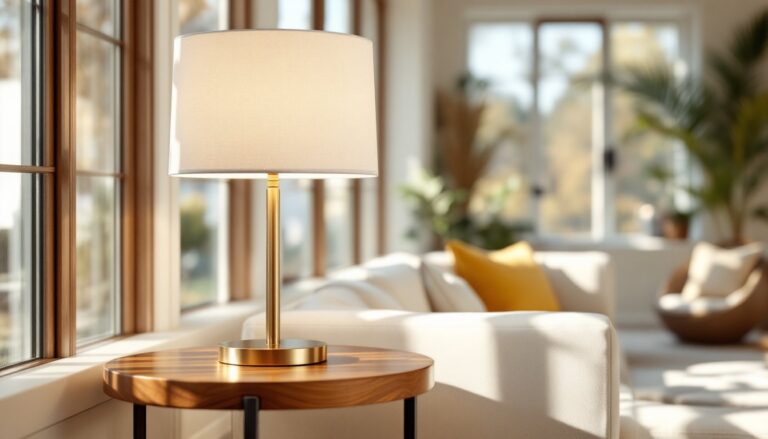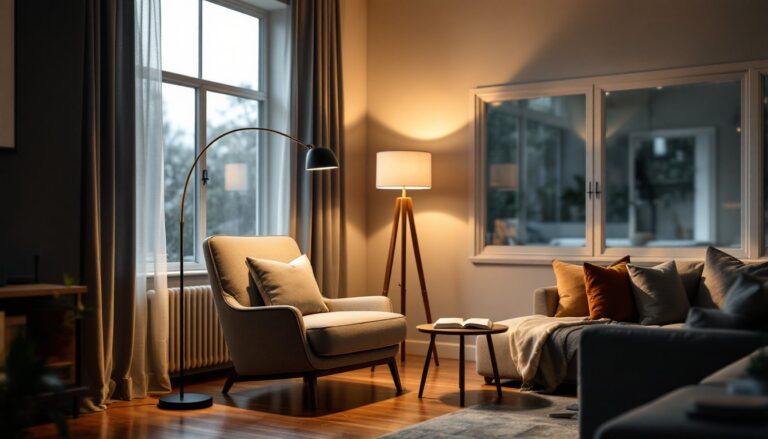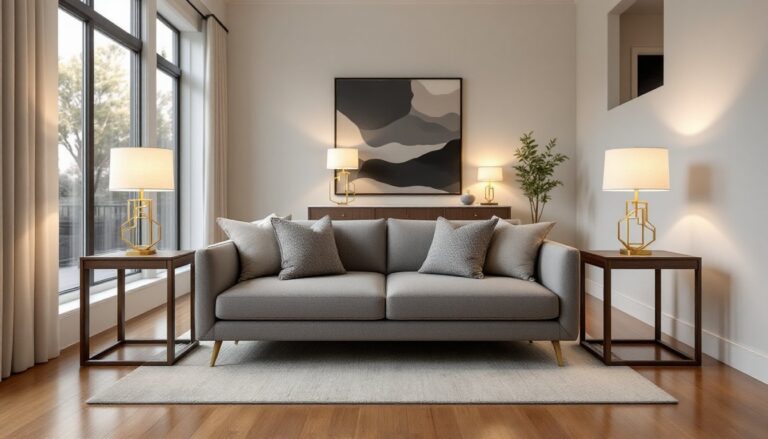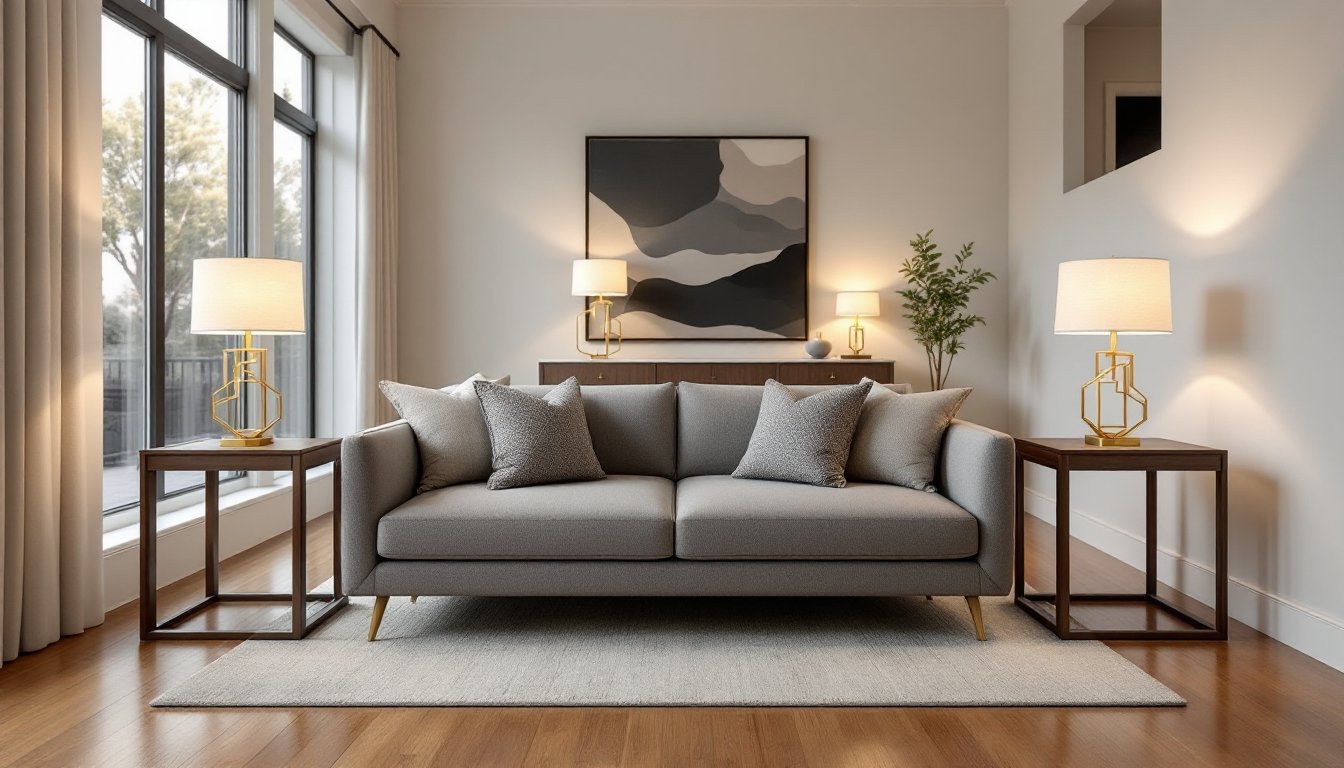
A well-lit living room doesn’t happen by accident. While overhead fixtures handle the heavy lifting, table lights for living rooms are what actually make the space feel inviting and functional. They soften harsh shadows, create focal points, and let you adjust lighting without rewiring the whole ceiling. Whether you’re reading on the sofa, hosting friends, or just winding down after work, the right lamp makes all the difference. This guide covers everything you need to know about selecting and placing table lights for living rooms that match your style, brightness needs, and layout.
Table of Contents
ToggleKey Takeaways
- Table lights for living rooms create layered lighting that eliminates dark corners and shadows, combining task lighting for reading with ambient glow for atmosphere.
- Optimal lamp height should be 24–34 inches from table surface to shade top, positioned level with your seated head to avoid glare and shadows on faces.
- Warm white bulbs (2700K) create cozy evening ambiance, while cooler tones (4000K+) support focused task work—LED options consume 80% less energy and last 15+ years.
- Placement strategy matters: position lamps 15–18 inches back from seating edges, pair matching lamps on console tables for visual balance, and ensure proportional shade-to-base sizing.
- Smart bulbs and dimmers offer flexibility to adjust brightness and color temperature without rewiring, making table lamps adaptable to different moods and functional needs.
- Intentional style mixing works when materials and finishes align throughout the room, but clashing metals or mismatched tones create visual confusion rather than sophistication.
Why Table Lighting Matters In Your Living Room
Table lighting isn’t decorative window dressing, it’s functional infrastructure. A single overhead fixture leaves dark corners and creates unflattering shadows on faces during evening conversations. Table lamps fill those gaps and give you layered lighting, which interior designers consider non-negotiable for a livable space.
Think of layered lighting as three tiers: ambient (general brightness), task (reading or hobbies), and accent (mood). Table lamps handle task and accent beautifully. A lamp beside your favorite reading chair gives you focused light without glare, while a pair of matching lamps on a console table adds visual balance and soft ambient glow.
The brightness and color temperature of your table lights also affect how the room feels. Warm white bulbs (2700K) create coziness for evening relaxation. Cooler tones (4000K+) work better for task lighting if you’re working from home. This flexibility is exactly why living room overhead lighting alone isn’t enough, you need layers.
Types Of Table Lights For Living Rooms
Traditional And Arc Table Lamps
Traditional table lamps sit on tables, side tables, and console surfaces. The most common setup features a base, a vertical pole (called a stem or standard), a shade, and a bulb. Brass, ceramic, wood, and wrought iron bases are classics that work across styles.
Arc lamps are different. Instead of sitting on a table, they curve overhead from a weighted base on the floor. An arc lamp for a side table placement works when floor space near the seating area is available. They cast light downward without taking up horizontal surface area, making them ideal for compact layouts. The key trade-off: arc lamps need more floor clearance and can feel bulkier visually, though they’re excellent for creating dramatic accent lighting.
Modern And Minimalist Designs
Modern table lamps strip away ornament. Clean lines, neutral materials, and geometric shapes define the category. Think sleek metal cylinders, concrete bases, or fabric cones in white or soft gray. These lamps work especially well with contemporary furniture and in rooms where you want the lighting to blend into the architecture rather than grab attention.
Minimalist lamps for living room table placement often feature single-bulb designs with no shade, or paper-thin shades that disappear visually. Scandinavian-inspired models with tapered wood legs are popular. Modern designs are easier to move and repurpose than ornate pieces, which appeals to renters and those who like to refresh their décor every few years. A modern pendant track lighting approach pairs well with minimalist table lamps for cohesive, understated style.
Selecting The Right Size, Style, And Brightness
Size matters more than people think. A table lamp that’s too tall (above the height of your seated head) creates glare and odd shadows. Aim for lamp heights between 24 and 34 inches total from table surface to top of shade. If you’re pairing two lamps on a console, they should match in height and base style to feel intentional, not accidental.
The shade size must be proportional to the base and the table it sits on. A large, heavy base needs a wider shade to balance visually. Conversely, a delicate ceramic base looks odd under a massive drum shade. A useful rule: the shade diameter should be roughly equal to the base diameter, or slightly wider.
Brightness (measured in lumens, not just watts) depends on your task. For reading, aim for 450–800 lumens per lamp depending on how close the book is. For ambient light over a side table, 200–300 lumens is plenty. Most modern LED bulbs let you dial this in easily, a 60-watt equivalent incandescent is roughly 800 lumens, while a 40-watt equivalent is about 450 lumens.
Style alignment is critical. Traditional bases work in transitional or formal rooms. Modern and minimalist lamps fit contemporary spaces. But here’s the honest part: mixing styles intentionally (mid-century base with a linen shade, for example) can work if the materials and finishes tie together. Clashing metals, mismatched wood tones, or orphaned shapes just look confused. If you’re uncertain, match the lamp finish to your existing metals in the room (brass to brass, black iron to black iron, etc.).
Placement And Room Layout Strategies
Placement makes or breaks functionality. The classic setup: one lamp on each side of a sofa on matching side tables. This provides balanced task lighting for reading and conversation zones. Heights should be level with the back of your seated head to avoid glare in your eyes.
For single lamps on a side table or console, position it 15–18 inches back from the seating edge so light doesn’t shine directly into faces. If you’re using a lamp as an accent near artwork, position it 12–18 inches away to avoid hotspots or harsh shadows on the piece. Interior designers note that table lamp placement rules emphasize eye-level positioning to reduce shadows and improve both function and aesthetics.
Cable routing deserves a mention. Run cords along the back of furniture or inside cable trays if possible. A lamp cord across an open floor path is a tripping hazard and looks sloppy. In older homes without convenient outlets, a power strip behind a sofa or console keeps things tidy and safe. If you can’t reach an outlet, hiring an electrician to add a new outlet is worth the cost, it’s safer and cleaner than extension cords.
Room layout also determines whether you need one, two, or multiple lamps. A large open living room with seating zones at opposite ends needs more lamps than a cozy den. A lamp in each zone ensures nobody’s sitting in shadow. If your living room pulls double duty as a home office, you might need a brighter task lamp plus to ambient table lamps for comfort during work hours.
Smart And Energy-Efficient Lighting Options
LED bulbs have matured dramatically. Modern warm-white LEDs (2700K) are indistinguishable from incandescent, but they use 80% less energy and last 15+ years instead of 1,000 hours. This is worth the small upfront cost, especially for lamps you use daily.
Smart bulbs add control without rewiring. Bulbs like Philips Hue or LIFX let you adjust brightness and color temperature via phone app or voice command. If you want to change from 2700K in the evening to 4000K for focused work, you don’t touch the lamp, you just adjust the app. For living room ambiance, this flexibility is excellent. The downside: smart bulbs cost $15–30 each, and they require a compatible smart home hub or WiFi connection. They’re worthwhile if you already use smart home devices, otherwise traditional dimmers or three-way switches are simpler.
Dimmers are the low-tech smart option. A dimmer switch (hardwired to the outlet or plug-in type) lets you adjust brightness without replacing bulbs. This works with most modern LED and incandescent bulbs, though you must verify compatibility on the package. Dimmers cost $15–40 and require no app or subscription.
LED living room lighting solutions save money long-term and pair well with thoughtful table lamp placement. A warm-white LED in a 60-watt-equivalent brightness, dimmed to 50% in the evening, consumes about 6–8 watts per lamp and creates a genuinely comfortable living space without the electric bill spike.