A lamp table is more than just a place to set lighting, it’s a design anchor that ties a room together. Whether you’re looking to brighten a bedside, add task lighting to a desk, or create ambient warmth in a living room, choosing the right modern lamp table can transform how a space feels. Modern designs strip away unnecessary ornamentation and focus on clean, functional beauty that works with virtually any decor style. This guide walks you through what makes a lamp table modern, how to select the right piece for your space, and styling techniques to make the most of your investment.
Table of Contents
ToggleKey Takeaways
- A modern lamp table prioritizes clean lines, geometric simplicity, and quality materials like matte metal, glass, and natural wood over decorative excess, making it a versatile design anchor in any room.
- Proper sizing matters: bedside lamps should be 24–30 inches tall with the shade bottom at eye level when seated, while desk lamps need narrower shades for focused task lighting and living room lamps should fit as part of layered lighting schemes.
- A modern lamp table works best when its base occupies no more than one-third of your table surface, leaving room for functionality while maintaining an uncluttered, intentional aesthetic.
- Matching your modern lamp table’s materials and finishes to nearby furniture—such as pairing a wooden lamp with mid-century modern nightstands—creates visual cohesion and a curated look.
- Layered lighting with a modern lamp table as one element, combined with overhead and accent lighting, creates flexibility and makes rooms feel more intentional and inviting.
- Selecting matching modern lamp tables across multiple rooms creates visual continuity throughout your home without requiring identical pieces, just shared design language.
What Makes a Lamp Table Modern
Modern lamp tables prioritize simplicity and purpose over ornamentation. The defining characteristic is a stripped-down silhouette that eliminates decorative excess while maintaining elegance and function. Unlike traditional or ornate styles that rely on carved details, fabric shades, or heavy bases, modern designs use geometric forms and restrained detailing.
The appeal lies in their versatility. A modern lamp table works equally well on a nightstand, beside a reading chair, or on a desk. The minimalist aesthetic means these pieces won’t compete with your existing furniture, they enhance it. Modern lamp tables often use monochrome color palettes and let the materials speak for themselves, whether that’s polished metal, natural wood, or matte finishes.
These lamps are built for rooms where form and function share equal weight. They provide the light you need without visual clutter, making them ideal for contemporary, Scandinavian, industrial, or even transitional decor schemes. The timeless quality of modern design also means your lamp table investment won’t feel dated in a few years.
Essential Design Features and Materials
Minimalist Shapes and Clean Lines
Modern lamp tables rely on geometric simplicity to create visual impact. Popular forms include slim-profile bases, tripod designs, and sculptural yet understated structures. These shapes aren’t accidental, they’re intentional choices that make the lamp sit comfortably in any setting without demanding attention.
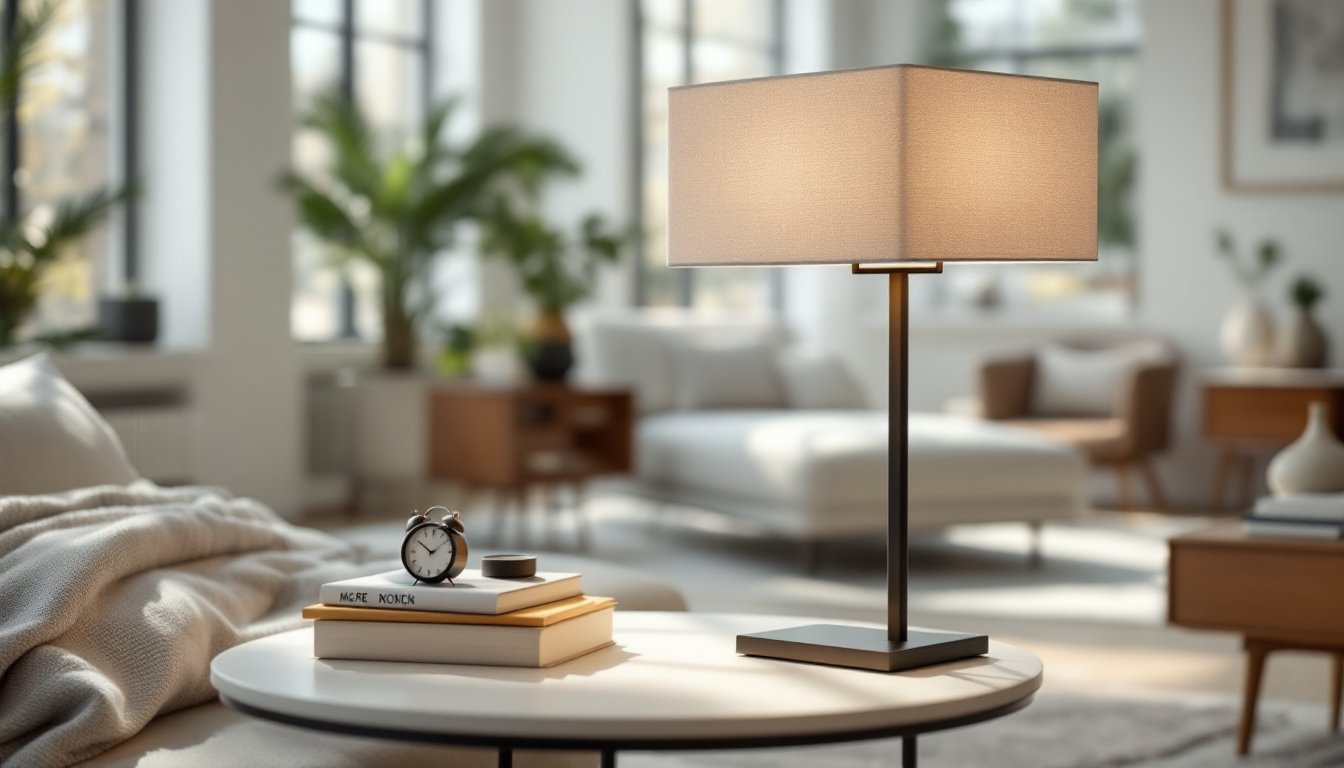
Clean lines extend from base to shade. Many modern lamps feature cylindrical or rectangular shades that echo the base’s geometry, creating visual harmony. Angular or asymmetrical designs are common, but they’re always balanced and purposeful. Ornamentation is minimal: no fringe, no beading, no unnecessary flourishes. The result is a lamp that feels sophisticated rather than stark.
Contemporary Materials and Finishes
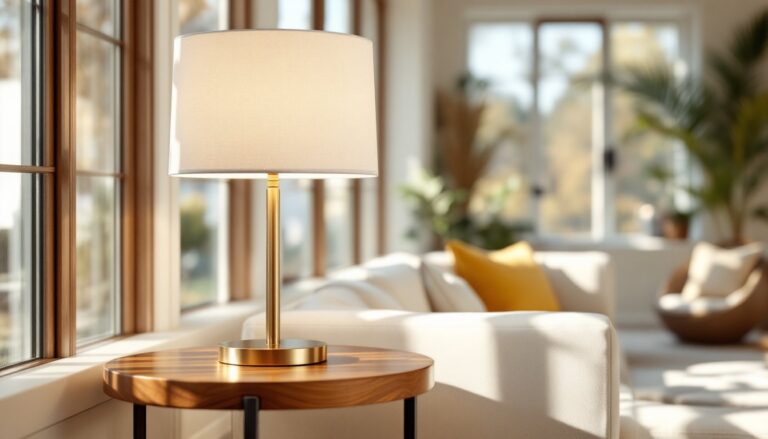
Modern lamp tables shine when they showcase quality materials. Metal bases, often in matte black, chrome, or brass finishes, are staples. These materials age beautifully and resist dated trends. Glass or crystal accents paired with metal create depth without complexity. Many contemporary designs combine materials: a wooden base with a metal rod, or a marble top paired with a slim steel structure.
Finishes matter significantly. Matte finishes feel more contemporary than shiny ones, though mixed finishes (matte metal with glass accents, for example) add visual interest. Natural wood tones, particularly in walnut or ash, work well in modern spaces because they bridge the gap between natural warmth and clean design. Metallic finishes like brushed gold or blackened steel feel especially current and offer sophistication without requiring pattern or texture.
Finding the Right Modern Lamp Table for Your Space
Size, Height, and Placement Considerations
Proportions are critical when selecting a lamp table. A lamp that’s too tall will visually overwhelm a small side table: one that’s too short won’t provide adequate task light. A general guideline places the bottom of the shade around eye level when seated, ensuring the light hits where you need it without creating glare directly into your eyes.
For bedside use, aim for a lamp height of 24 to 30 inches tall, roughly 2 to 3 inches above your nightstand height. This positioning allows light to spread naturally across your bed and adjacent surfaces. On a desk, consider whether you need focused downward light for reading or writing: a lamp with a narrower shade gives more concentrated task light than one with a wide, open shade.
Table surface area determines base width. A slim-profile base works for narrow side tables or desks where workspace is limited. Larger surfaces, a wide dresser or expansive desk, can accommodate fuller bases or statement lamps. The lamp base shouldn’t take up more than one-third of your available table surface: this keeps the table functional and the room from feeling crowded.
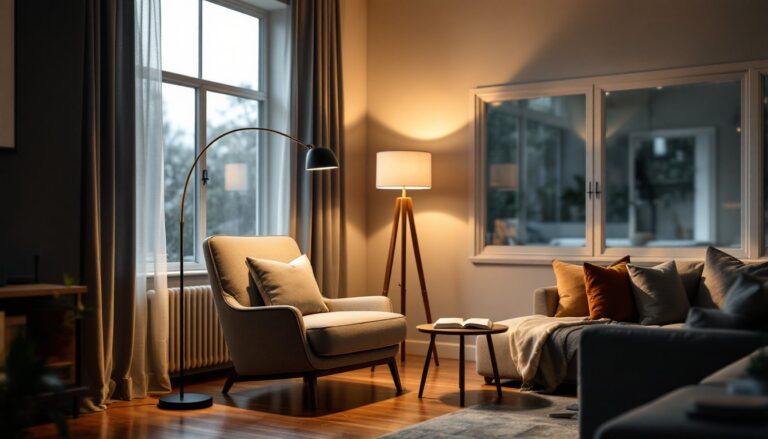
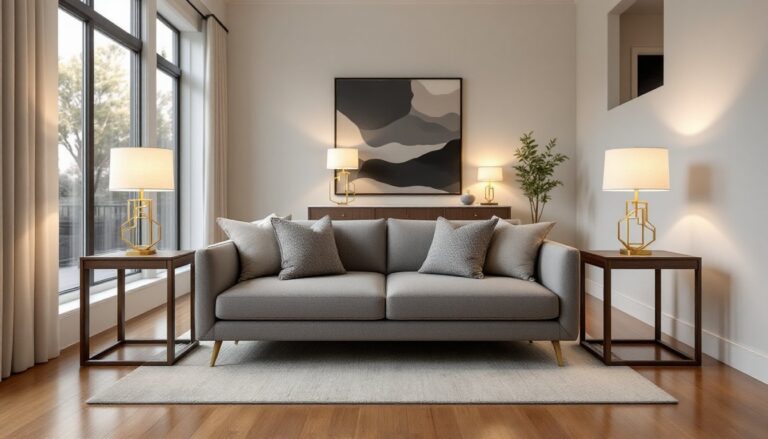
When placing a lamp on a side table in the living room, position it where it adds light to a reading chair or seating area without blocking sightlines. A lamp in the living room functions best when it’s part of a layered lighting scheme: ambient overhead light, task light from your lamp, and perhaps accent lighting elsewhere. Two matching modern bedside lamps create visual symmetry and ensure balanced light on both sides of a bed.
Styling Tips to Maximize Your Lamp Table
A modern lamp table isn’t just about the lamp itself, it’s about the table it sits on and what surrounds it. Match your lamp’s style to nearby furniture for a cohesive look. If your nightstand is mid-century modern wood, choose a lamp with wood or warm metal tones. If your desk is contemporary with glass or steel, a lamp with those materials will feel intentional rather than mismatched.
Use the table space strategically. On a bedside table, keep items minimal: the lamp, a small book, perhaps a glass of water. This creates a restful, uncluttered feel that aligns with modern design principles. On a desk, position your lamp to the side to avoid casting shadows over your work surface. In the living room, a side table with a single lamp feels more curated than one crowded with multiple items.
Color coordination matters subtly. A modern lamp in black or brushed gold complements virtually any palette, but don’t overlook warmer finishes like brass or matte copper if you want the lamp to feel less cold or industrial. Consider glass coffee table decorating ideas to see how intentional placement and styling create impact.
Lighting layers make the biggest difference in how a room feels. A lamp provides task light or localized warmth: pair it with overhead lighting and perhaps a floor lamp to create flexibility. Modern pendant track lighting solutions offer additional flexibility if you’re redesigning your entire lighting strategy. For bedrooms, consider how your modern bathroom lighting and other room lighting coordinate in tone and intensity, consistency across your home makes every space feel intentional.
If you’re furnishing multiple bedrooms, matching lamp tables create visual continuity down a hallway. This doesn’t mean buying identical pieces, but selecting lamps that share materials, finishes, or design language ties your home together. Resources like home interior inspiration sites showcase how well-curated lamp placement enhances entire spaces, not just individual tables.