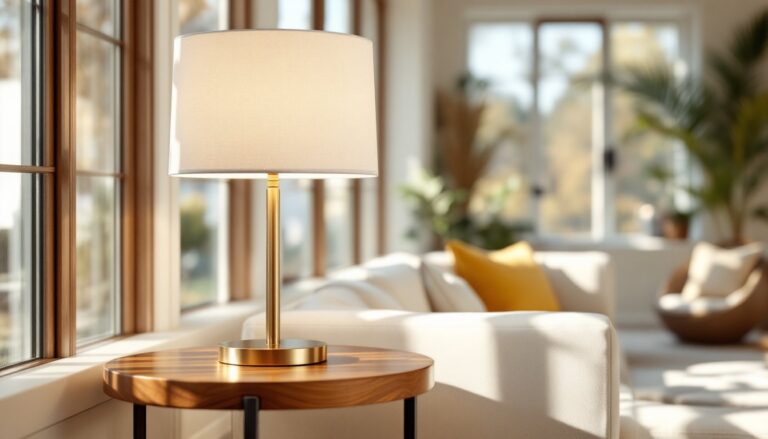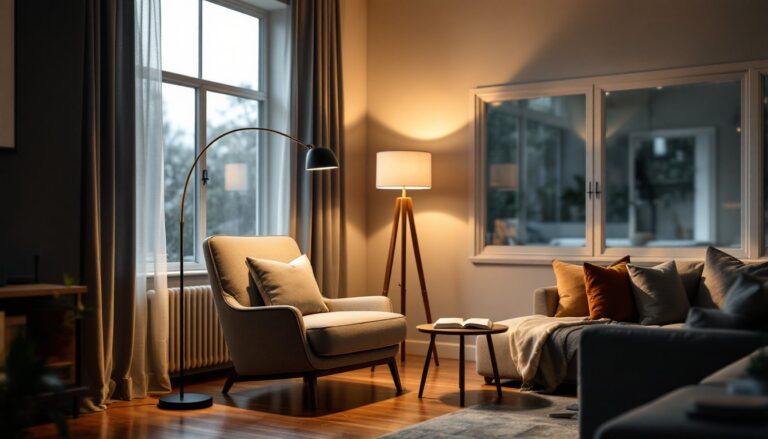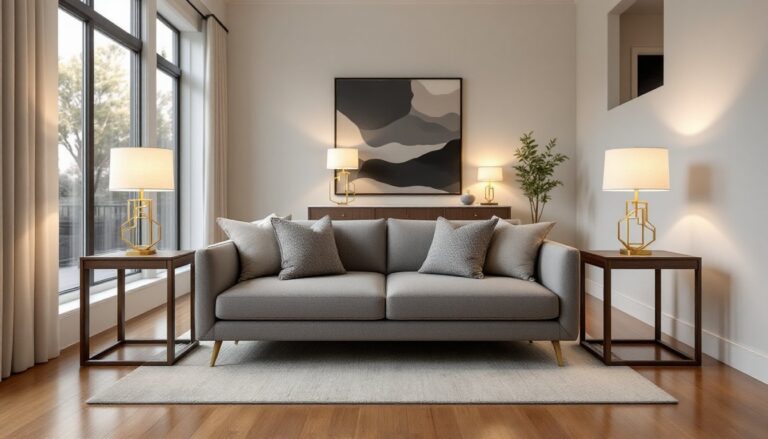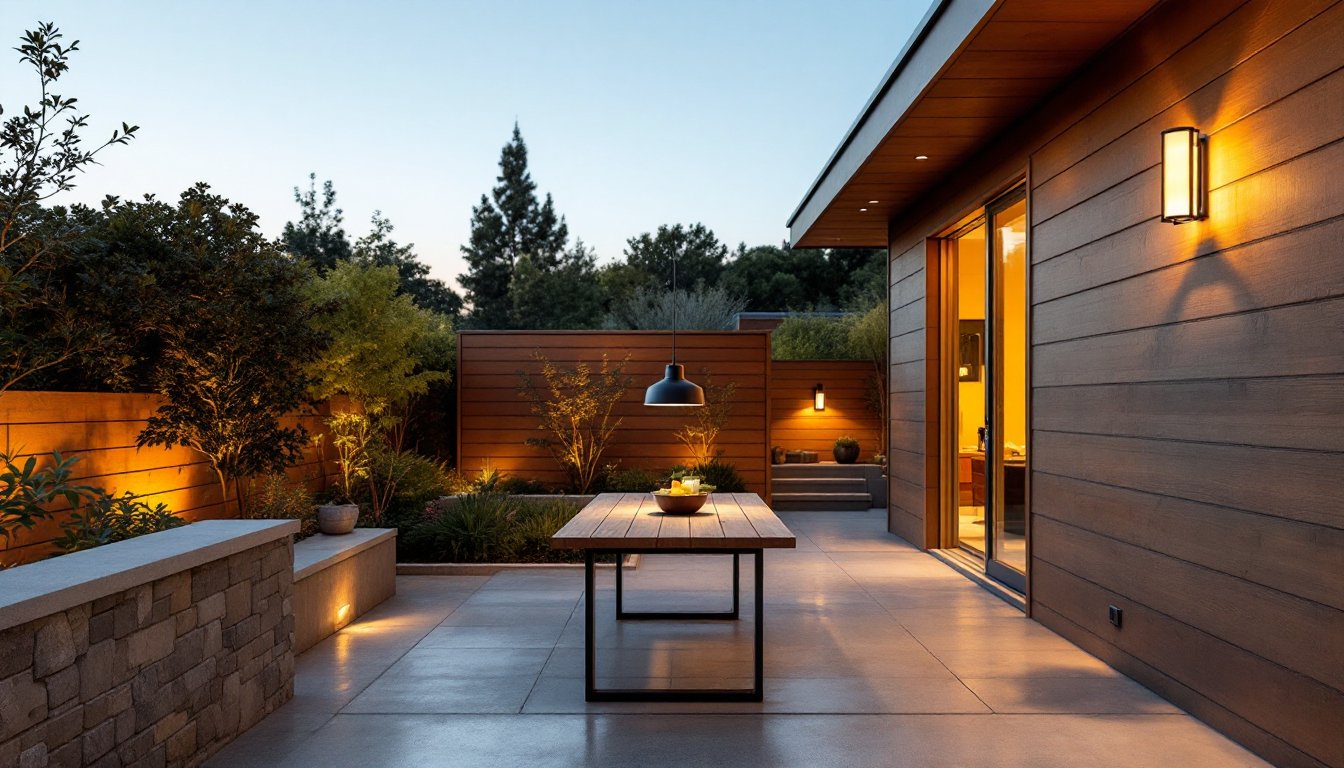
Mid century modern outdoor lighting brings clean lines, functional elegance, and timeless appeal to any patio or backyard. Unlike trendy designs that fade after a season, these fixtures blend geometry, warm metallic finishes, and purposeful illumination in a way that works whether you’re entertaining or simply unwinding with a drink. The beauty of mid century design lies in its simplicity, every element earns its place, and nothing looks cluttered or overwrought. If you’re planning a patio refresh and want fixtures that won’t feel dated in five years, mid century modern outdoor lighting is the practical, stylish answer.
Table of Contents
ToggleKey Takeaways
- Mid century modern outdoor lighting combines clean geometric lines, warm metallic finishes, and functional design that resists aging and trends.
- Popular fixture types include pendants for dining areas, wall sconces for entryways, and post lights for transitions—each serving distinct purposes in outdoor spaces.
- Proper installation requires wet-listed junction boxes, GFCI protection, and adherence to building codes; hiring a licensed electrician ensures safety and compliance.
- Layer your lighting with task lighting for functionality, accent lighting for visual interest, and ambient lighting for mood—this multi-source approach creates sophisticated outdoor living zones.
- Choose bronze, blackened steel, or weathered brass finishes with frosted or amber glass diffusers; avoid clear or colorful glass and opt for 2700K LED bulbs that mimic vintage warmth.
What Defines Mid Century Modern Outdoor Lighting
Key Design Characteristics and Elements
Mid century modern design emerged in the 1940s–60s and emphasized form following function, minimal ornamentation, and geometric shapes. In outdoor lighting, this translates to clean silhouettes, often in black or bronze metal with frosted or amber glass diffusers. You’ll see plenty of straight lines, asymmetrical arms, and understated finishes, no excessive scrollwork or fussy details.
The hallmark features include tapered legs or stems, horizontal or vertical emphasis (rarely do both compete), and integration with outdoor architecture rather than acting as standalone decoration. Warmth matters too: look for color temperatures around 2700K–3000K, which mimics vintage incandescent bulbs and feels inviting rather than sterile. Materials like brass, weathered aluminum, and teak wood are standard because they age gracefully, developing patina instead of looking shabby.
What sets mid century modern apart from other retro styles is its restraint. Victorian or traditional fixtures pile on ornament: mid century says, “One statement per fixture.” A single hanging pendant with a geometric cage, or a wall sconce with a cantilever arm and no embellishment beyond its form, that’s the approach. Dwell offers countless examples of how these principles extend into modern homes.
The Best Fixture Types for Your Outdoor Space
Popular Mid Century Modern Styles to Consider
Pendants and hanging lights work well over dining areas or seating nooks, especially slatted wood or metal cage designs that cast patterned shadows. Look for fixtures with 6–12 inch diameter globes on adjustable cords or rigid stems: depth matters because it prevents light from spilling directly into eyes.
Wall sconces are ideal for flanking entry doors, pathways, or outdoor kitchens. Mid century sconces typically have a single frosted glass globe or shade mounted on a cantilever arm, often in black or bronze finish. They cast light outward and slightly downward, practical for navigating without harsh glare.
Post lights or bollard fixtures anchor corners and transitions. These typically stand 18–36 inches tall with a tapered post and geometric shade, perfect for marking steps or seating boundaries without dominating the view. Flush or semi-flush ceiling mounts work for covered patios, offering overhead illumination without dangling wires.
Lanterns, both hanging and post-mount varieties, add warmth when fitted with frosted panels rather than clear glass. Aim for aluminum or steel frames that resist rust: stainless hardware prevents corrosion at connection points. Contemporary Dining Room Lighting explores how fixture styles translate indoors, and the same design principles apply to outdoor spaces.
Where and How to Install Outdoor Lighting Fixtures
Installation location depends on your outdoor layout and what you want to illuminate. Hanging pendants work best over a 4–6 foot diameter seating or dining table, mounted at least 7–8 feet above the deck surface to avoid light in eyes. Use a weatherproof junction box rated for wet locations (UL/wet-listed), not standard indoor boxes: inspect the fixture’s listing label to confirm it’s suitable for your climate zone.
For wall sconces, mount them 48–60 inches from the deck surface on either side of an entry or along a perimeter wall. Ensure the wall can handle the fixture’s weight, attach to studs or use appropriate anchors for siding material. Most sconces require hardwiring to a 20-amp outdoor circuit, so unless you’re comfortable running cable in conduit, hire a licensed electrician. Building codes typically require a GFCI (ground fault circuit interrupter) outlet or breaker for all outdoor receptacles and fixtures.
Post lights need firm mounting into the deck structure or concrete footings at least 12 inches deep, especially in freeze-thaw climates. A wobbly post looks sloppy and risks damage over time. Test stability before finishing connections. For ceiling-mount fixtures on a covered patio, follow the same weatherproofing principles: wet-listed junction boxes, sealed connections, and conduit where wiring is exposed.
Creating Layers of Light for Ambiance and Function
Lighting design isn’t one fixture, it’s multiple light sources working together. Start with task lighting where you need visibility: over a cooking area, dining surface, or entryway. This is typically 50–75 foot-candles of light (bright but not harsh).
Add accent lighting to highlight architectural features, plants, or a water feature. This might be uplighting behind a shrub or downlighting on a textured wall, subtle but intentional. Use half the brightness of task lighting so it feels complementary, not competing.
Finish with ambient lighting, the overall glow that makes a space feel inviting. Dimmer-controlled fixtures work well here: a single overhead pendant or wall sconce at 30–50% brightness sets mood without enabling tasks. Design Milk regularly showcases how layering light creates sophisticated outdoor living zones.
Wiring multiple fixtures to a single dimmer is possible but requires a dimmer-compatible bulb and careful wiring planning. If your system isn’t already set up, again, consult a licensed electrician, improper dimming circuits can damage LED bulbs or cause flickering. Test your layering by visiting at dusk and dawn: that’s when design choices become obvious.
Material and Color Choices That Work
Bronze and blackened steel are the workhorses of mid century modern outdoor fixtures, they age beautifully and hide patina better than bright finishes. If you prefer a lighter touch, weathered or oiled brass develops a warm, aged appearance that reads “vintage” without looking neglected. Stainless steel works too, though it reads slightly colder and less authentically mid century unless paired with warm glass.
Glass diffusers should be frosted, amber, or milk white, never crystal clear or colored. Clear glass lets you see the bulb, which breaks the clean aesthetic. Frosted diffuses light evenly and softly, standard for this style. Avoid colored or decorative glass: mid century avoids novelty.
Wood accents in teak, cedar, or composite materials work when integrated thoughtfully, perhaps a pendant with a wooden yoke or a fixture with wooden trim. Ensure wood is sealed for outdoor use and inspect annually for rot or insect damage.
For bulbs, choose LED equivalents of vintage 40–60 watt incandescent models in a color temperature of 2700K. This mimics the warm light of original fixtures without the heat or power draw. Dimmable LEDs cost more upfront but give you design flexibility. Modern Farmhouse Dining Room Lighting shares how color temperature affects perceived spaciousness, the same principle applies outdoors.
Consider the surrounding architecture. If your home has horizontal siding, choose fixtures with horizontal emphasis. If stonework dominates, angular or geometric fixtures complement better than organic shapes. Consistency isn’t sameness: it’s intentionality.
Bringing It All Together
Mid century modern outdoor lighting works because it respects function and avoids trends. Start by auditing your outdoor spaces, where do you sit, eat, work, and relax? Match fixtures to those zones, layer your light sources, and stick to a palette of two or three finishes. Installation demands respect for codes and weatherproofing: don’t cut corners there.
This style rewards patience in selection and precision in installation. The payoff is a patio that looks intentional, ages gracefully, and supports how you actually use the space. That’s timeless design.