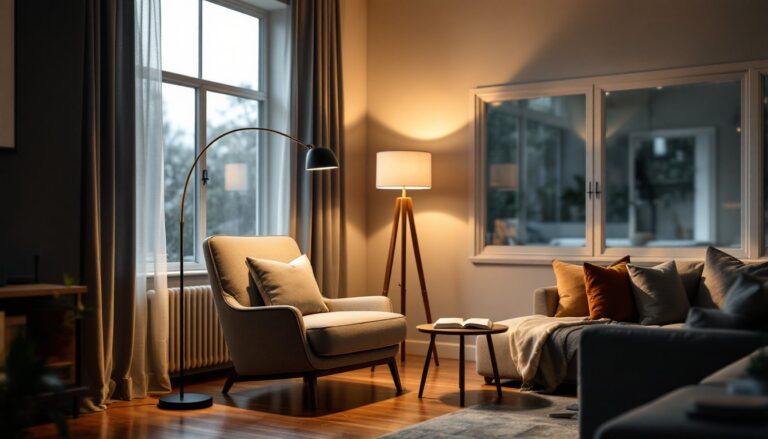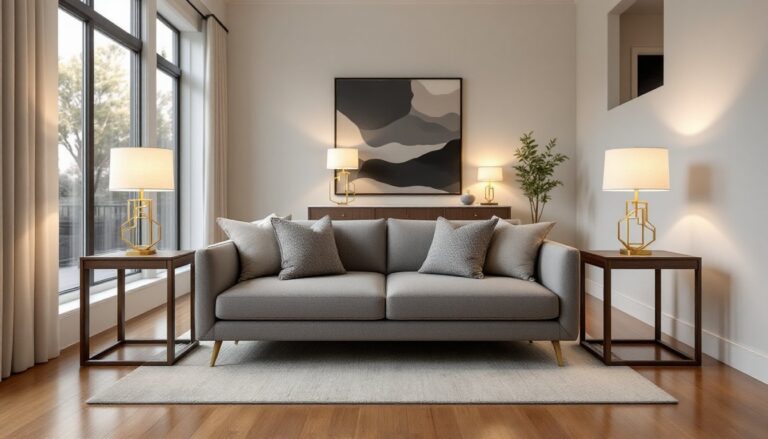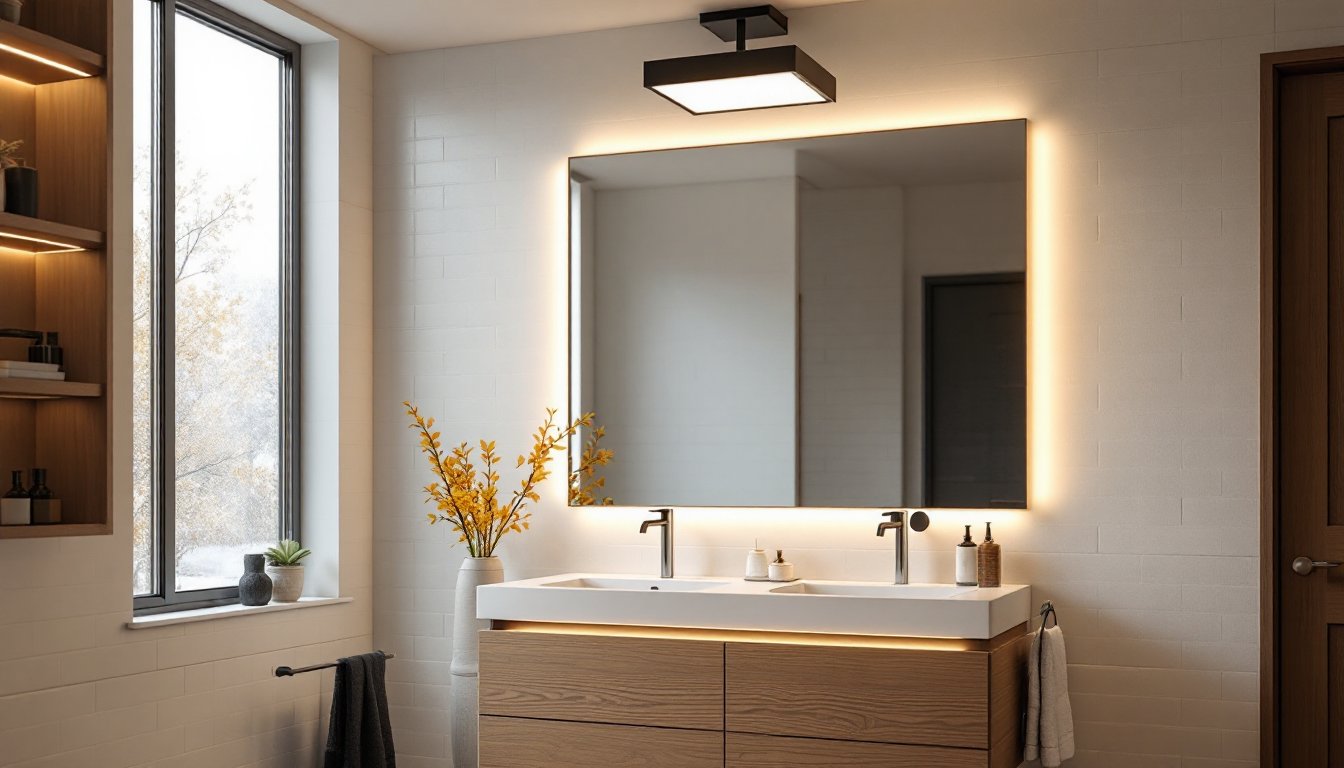
Bathroom lighting isn’t just about seeing yourself in the mirror, it’s the foundation of a functional, welcoming space. Whether you’re tackling a full renovation or updating fixtures, modern bathroom lighting strikes a balance between task lighting for grooming and ambient illumination that sets the mood. As homeowners explore updated design trends and energy-efficient options in 2026, understanding layered lighting, fixture styles, and LED technology becomes essential. This guide walks you through everything you need to know to transform your bathroom into a well-lit, stylish retreat.
Table of Contents
ToggleKey Takeaways
- Modern bathroom lighting combines ambient, task, and accent lighting layers to create both functional and visually appealing spaces that eliminate harsh shadows and improve grooming comfort.
- Wall sconces positioned at eye level on both sides of the vanity mirror are the gold standard for task lighting, requiring two 40–60-watt-equivalent LED sconces spaced 24–36 inches apart for a typical 36-inch mirror.
- LED fixtures are the energy-efficient standard, lasting 25,000+ hours while using 75% less energy than incandescent bulbs and saving approximately $100–150 annually on electricity for typical bathroom usage.
- All bathroom fixtures must carry IP65 or higher moisture ratings, be GFCI-protected, positioned at least 60 inches from water sources, and installed on dedicated 20-amp circuits to meet building code and safety requirements.
- Select LED bulbs with a CRI (Color Rendering Index) of 90 or higher and choose between warm white (3000K) for a spa-like feel or cool white (4000K) for accurate makeup application lighting.
- Smart bathroom lighting with WiFi control and voice commands is now mainstream, but requires proper neutral wiring—if unsure about your electrical setup, standard dimmable LED fixtures are a safer, more affordable starting point.
Understanding Modern Bathroom Lighting Essentials
Modern bathroom lighting goes beyond a single overhead fixture. Today’s approach combines multiple light sources working together to create a space that’s both functional and visually appealing. The bathroom presents unique challenges: moisture, humidity, and the need for accurate color rendering make fixture selection more critical than other rooms.
Start by assessing your current setup. Are you relying on one ceiling fixture that casts harsh shadows on your face? Do you have poor color accuracy that makes makeup application difficult? These are signs your lighting needs an upgrade. Modern bathrooms typically layer different types of lighting, ambient, task, and accent, to address these issues.
Building code requirements vary by jurisdiction, but most areas require at least one light fixture controlled by a switch within the bathroom. If you’re installing new fixtures, they must be on a dedicated circuit (typically 20 amps) and positioned at least 60 inches from the tub or shower. Exhaust fans and heaters can share this circuit, but larger loads need separate circuits.
Moisture is your biggest consideration when selecting fixtures. Look for IP65 or higher ratings (IP indicates Ingress Protection), which means the fixture is water-resistant and dustproof. Fixtures rated for “damp” locations work for typical bathroom humidity: “wet” locations (directly above tubs or showers) require the highest ratings. All fixtures within 60 inches of a water source must be GFCI-protected on the circuit breaker or via outlet.
Layered Lighting: The Foundation of Contemporary Design
Ambient Lighting
Ambient lighting is your baseline, the general illumination that fills the entire bathroom. This typically comes from ceiling-mounted or semi-flush fixtures. Modern ambient fixtures range from minimalist flat panels to sculptural designs that double as decor. For a typical 5×8 bathroom, aim for 2,400–3,000 lumens total, though larger or darker-tiled bathrooms may need 4,000+ lumens.
Choose ambient fixtures that complement your design aesthetic. Contemporary bathrooms often feature clean-lined semi-flush mounts, disk lights, or integrated ceiling panels instead of traditional hanging chandeliers. Ensure the fixture is rated for the bathroom’s moisture level and positioned centrally to minimize shadows. Dimmable ambient lighting is increasingly popular, it lets you adjust brightness for early mornings or relaxing evening routines.
One key mistake: sizing the fixture too small. A light fixture should be proportional to the space: a tiny flush mount in a large bathroom looks unfinished and under-illuminates the room.
Task and Accent Lighting
Task lighting is where you focus intensity. The vanity mirror demands the most attention, this is where accurate, shadow-free light makes the biggest difference for grooming. Wall sconces positioned at eye level on both sides of the mirror are the gold standard. They eliminate the unflattering shadows a ceiling fixture creates. For a typical 36-inch mirror, use two 40–60-watt-equivalent LED sconces spaced 24–36 inches apart.
If you’re replacing just the vanity lights, measure the existing fixture’s rough-in (the electrical box behind the wall) to determine mounting height. A mounting height of 60–66 inches from the floor to the center of the fixture works for most adults. If household members vary significantly in height, aim for 60 inches to favor shorter users.
Accent lighting adds visual interest and can highlight architectural features, tile work, a freestanding tub, or shelving. LED strip lights or small recessed fixtures placed strategically create depth and warmth. LED strip lighting ideas can transform a plain bathroom into a spa-like retreat with hidden or under-shelf illumination.
Modern bathrooms often integrate all three types seamlessly. A dimmable ceiling fixture handles ambient needs, wall sconces manage the mirror zone, and subtle accent lights add character without clutter.
Trending Fixture Styles and Smart Options
Today’s bathroom fixture designs lean toward minimalism, industrial touches, and integrated smart features. Matte black or brushed nickel finishes dominate contemporary bathrooms, offering a clean look that pairs with various tile and vanity styles. Soft white metals like champagne bronze are also gaining ground for a warmer, more forgiving aesthetic.
Linear sconces, long, horizontal fixtures, are trending for vanity applications. They provide even light distribution and suit modern, farmhouse, and transitional styles alike. Unlike traditional round or oval fixtures, linear sconces work well with larger mirrors (48+ inches) and create a gallery-like quality.
Smart bathroom lighting is now mainstream. WiFi-enabled fixtures let you adjust brightness, color temperature, and scheduling from your phone. Some models offer voice control through Alexa or Google Home, making it easy to dim lights during a bath without fumbling for a switch. Color-adjustable LEDs (3000K to 4000K range) let you switch between warm, relaxing tones and cool, energizing light.
If you’re installing new fixtures, consider modern farmhouse dining room lighting principles for inspiration, the same balanced approach applies to bathrooms. A mix of fixture styles and finishes creates visual interest while maintaining cohesion.
But, smart fixtures demand proper wiring. If your bathroom has outdated wiring (no neutral wire, for example), smart options may not work without an electrician’s help. Standard dimmable LED fixtures are a safer, more affordable starting point if you’re unsure about your electrical setup. Updates on digital trends in home technology can guide your decisions on smart home integration.
Energy-Efficient LED Technology and Installation Tips
LEDs are now the standard for bathroom lighting, and for good reason. They run 75% cooler than incandescent bulbs, last 25,000+ hours, and use a fraction of the energy. For a typical bathroom with 5–6 light fixtures running 3–4 hours daily, switching to LED saves roughly $100–150 per year on electricity.
When selecting LED bulbs or fixtures, check the color temperature (measured in Kelvin). Bathrooms pair well with 3000K (warm white) or 4000K (cool white) depending on your design and personal preference. Warm white (3000K) feels spa-like and forgiving: cool white (4000K) is better for makeup application and feels energizing. Avoid cheap LEDs with poor color rendering, they’ll make skin tones look sallow. Look for a CRI (Color Rendering Index) of 90 or higher to ensure accurate color.
Installation depends on whether you’re replacing existing fixtures or running new circuits. Replacing vanity sconces or a ceiling fixture is straightforward: turn off power at the breaker, disconnect the old fixture, and wire the new one using a junction box. Use 14-gauge wire for standard lighting circuits and 12-gauge for 20-amp circuits. Connections must be made inside a rated electrical box, not hidden behind walls.
For new installations (like adding accent lighting), you’ll likely need to run new wire through walls or use surface-mounted raceways if walls are already closed. This is where hiring a licensed electrician becomes practical, they handle permits, inspect the work, and ensure code compliance. Installing under cabinet lighting follows similar wiring principles and offers detailed step-by-step guidance applicable to bathroom projects.
A quick safety note: never work inside an electrical box without confirming power is off using a non-contact voltage tester. A tester costs $10–15 and prevents shocks. Always wear safety glasses when cutting drywall or running new wire. If you’re uncomfortable with wiring, that’s the right time to call a pro. Electrical mistakes can cause fires or fatal shocks, not worth the DIY savings.
Conclusion
Modern bathroom lighting transforms both function and mood. By layering ambient, task, and accent lighting, choosing moisture-rated fixtures, and embracing energy-efficient LED technology, you’ll create a bathroom that looks great and performs reliably for years. Whether you’re updating a single vanity light or redesigning the entire electrical system, prioritize proper moisture ratings, accurate color rendering, and safe wiring practices. Start with what you can handle yourself, and don’t hesitate to bring in a licensed electrician for circuit work or new wiring runs. Your bathroom deserves lighting as thoughtfully designed as the rest of your home.