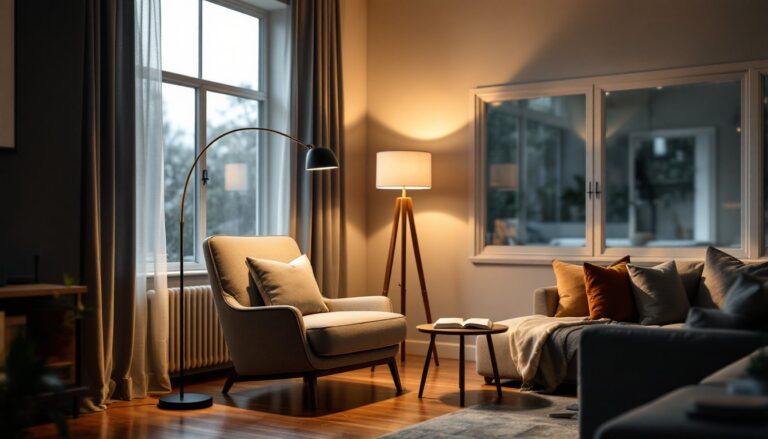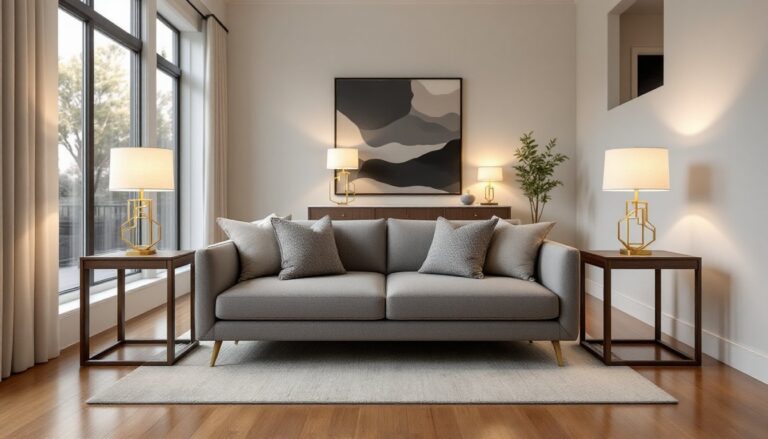
Good lounge lighting isn’t an afterthought, it’s the backbone of a room that actually works. Whether you’re settling into your favorite chair for the evening or hosting friends, the right ceiling lights set the mood, define the space, and make everything feel intentional. The challenge most homeowners face is sorting through endless options without burning out (pun intended). This guide walks you through selecting, installing, and maintaining lounge ceiling lights that match your space, budget, and style. You’ll learn practical solutions whether you’re working with low ceilings, high vaults, or anything in between.
Table of Contents
ToggleKey Takeaways
- Lounge lights ceiling fixtures serve as both functional and design elements that set mood, define space, and directly impact comfort and energy efficiency in your living area.
- Choose between recessed downlights for minimal ceilings, flush mounts for 8-foot spaces, and statement pendants for higher ceilings (9+ feet) based on your room dimensions and style.
- Aim for 10–20 lumens per square foot for lounge lighting, use warm white (2700K) color temperatures for relaxation, and install dimmers to control brightness without replacing bulbs.
- Proper installation requires turning off power at the breaker, spacing recessed fixtures 4–6 feet apart, securing fixture boxes into solid wood joists, and using LED bulbs rated for dimmer compatibility.
- Invest in quality wiring, transformers, and dimmer switches rather than fixtures alone, and hire a licensed electrician if unsure about circuit capacity, permits, or structural support for heavy statement pieces.
Why Lounge Lighting Matters More Than You Think
Your lounge is where you spend serious time, unwinding after work, reading, watching films, or entertaining. Lighting here directly affects mood, comfort, and functionality. Poor ceiling lights create harsh shadows, make colors look dull, or wash out the room entirely. Good lounge lights do the opposite: they flatter the space, reveal true color, and let you adjust the atmosphere from bright and energetic to soft and relaxing.
Beyond aesthetics, the right setup saves energy and reduces eye strain. Dimmers let you dial intensity down when you don’t need full brightness, cutting your electricity bill. Proper placement prevents glare on screens and walls. And strategically chosen fixtures can hide imperfections in older ceilings or draw attention to architectural features worth showing off.
Think of lounge ceiling lights as a design layer, not just a utility. They anchor your décor, establish scale, and influence how guests perceive the entire home. A mismatched or undersized fixture makes a beautiful room feel unfinished. The right choice ties everything together.
Types of Ceiling Lights for Modern Living Rooms
Recessed and Flush Mount Options
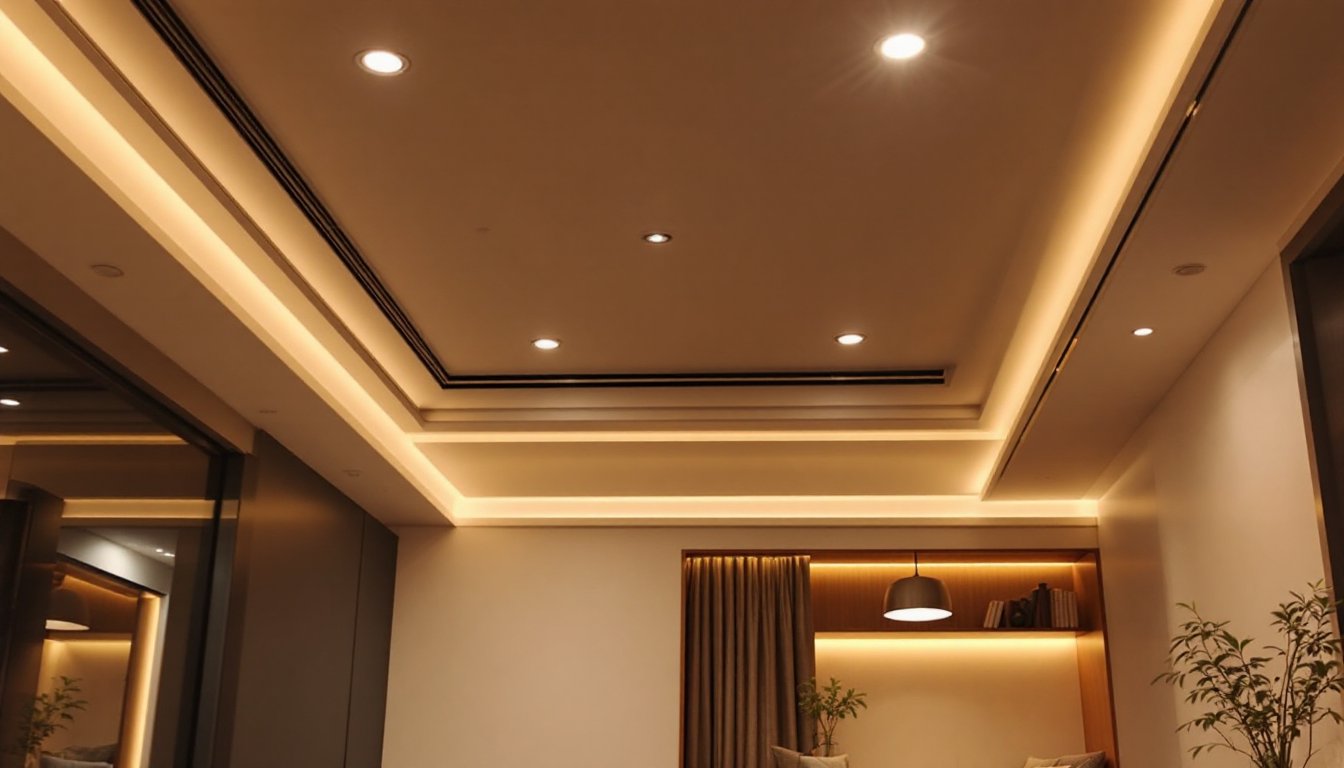
Recessed lights, also called can lights or downlights, sit flush with the ceiling, creating a clean, minimalist look. They’re ideal for lower ceilings since they don’t intrude into the room. Recessed fixtures come in different trim styles (baffle, reflector, eyeball) and color temperatures, letting you customize brightness and ambiance.
Flush mount fixtures sit snug against the ceiling and work well in rooms with 8-foot or lower ceilings. They’re simpler to install than pendant lights and offer more visual impact than recessed lights. Flush mounts range from ultra-modern to traditional styles, so you can match almost any décor.
When considering recessed options, spacing matters. A standard rule is to place fixtures about 4 to 6 feet apart and 1.5 feet from walls to avoid dark corners. For living room ceiling lighting, test layouts on your ceiling with tape before committing to holes. Many homeowners use types of recessed lighting guides to understand the specific fixture styles and brightness levels available.
Pendant and Statement Fixtures
Pendant lights hang from the ceiling on chains, rods, or wires, making them a bold design choice. They work beautifully over accent areas, a side table, reading nook, or console. Pendant lights create focused pools of light rather than overall brightness, so layer them with other sources.
Statement fixtures, think chandeliers, sculptural pendants, or dramatic semi-flush mounts, serve as the focal point of the room. They demand attention and anchor the décor. Statement pieces work best in rooms with good ceiling height (9 feet or more) so they don’t overwhelm the space. Adjustable pendant lighting offers flexibility to direct light where you need it most, especially useful if your lounge layout shifts seasonally.
For front room ceiling lights or living room lamp ceiling solutions, consider mixing fixture types. One large pendant or recessed downlights for ambient brightness, plus accent pendants for mood. This layering approach gives you control and prevents the flat, one-note feel of a single fixture type.
How to Choose the Right Lounge Light for Your Space
Start with room size and ceiling height. A 12×14-foot lounge with a standard 8-foot ceiling needs different solutions than a 20-foot open-plan space with 10-foot vaulted ceilings. Measure your square footage and note the ceiling height before shopping.
Brightness comes next. Lounges typically need less light than kitchens, aim for 10–20 lumens per square foot, depending on the room’s other light sources and your preference. A 12×14-foot room wants roughly 1,680–3,360 lumens total, but you can split that across multiple fixtures. Dimmers are essential: they let you adjust brightness without replacing bulbs.
Color temperature shapes mood dramatically. Warm white (2700K) feels cozy and relaxing, ideal for evening. Cool white (4000K) energizes but can feel clinical in a lounge. Stick with warm or neutral tones. Check the product specs: not all bulbs or fixtures support every temperature.
Style alignment matters as much as function. A sleek, modern lounge needs minimal, geometric fixtures. Traditional or eclectic spaces can carry ornate or vintage pieces. Avoid fighting your existing décor: lamps for living room ceiling fixtures should echo colors, materials, and proportions already in the room.
Budget realities: quality recessed or flush mounts run $50–$200 per fixture installed. Pendant lights range $40–$500+ depending on designer and material. Statement fixtures climb higher. Don’t cheap out on wiring, transformers, or dimmer switches, those are where problems hide. Modern bathroom lighting principles (good layering and proper spacing) apply to living rooms too, even though the fixtures differ.
Installation Tips and Best Practices
Before you drill or cut anything, turn off power at the breaker and confirm it’s off with a non-contact voltage tester. This isn’t optional, electricity won’t forgive shortcuts.
For recessed lights, plan your layout carefully. Use the rough-in dimensions from the fixture (typically 4–6 inches in diameter). Mark centers on the ceiling with a pencil, then use a drywall hole saw to cut. Fish wiring from your junction box through the ceiling cavity to each fixture location. If you lack attic access, contact an electrician, trying to squeeze wiring through finished ceilings courts disaster. Some homeowners use recessed lighting without attic access methods like surface-mounted raceways, which are visible but simpler.
For flush mounts and pendants, you’ll bracket-mount the fixture body to a ceiling box (install or reinforce as needed). Run power to the box, connect the fixture wires to the supply wires using wire nuts, then secure the trim ring or canopy. Most fixtures include instructions, follow them exactly. Don’t wing it.
When installing statement fixtures or multiple pendants, use a stud finder or fish tape to locate joists. Ceiling boxes must screw into solid wood or use heavy-duty toggle bolts rated for the fixture weight. Chandeliers and large pendants are heavy: undersizing support is a genuine safety risk.
Use LED bulbs whenever possible. They run cool, last 25,000+ hours, and draw far less power than incandescent or halogen. If fixtures aren’t dimmable, your LEDs must be rated dimmable to avoid flickering or buzzing. Check compatibility before buying. Dimmers should also match your bulb type (trailing-edge for LEDs, leading-edge for older bulbs).
Finally, add a proper dimmer switch on a separate circuit if your main lounge light controls multiple fixtures. This gives flexibility and saves energy. Hire a licensed electrician if you’re unsure about circuit capacity, wire gauges, or code compliance. Most jurisdictions require permits for new circuits: skipping that step can haunt you during inspections or insurance claims.
Conclusion
Lounge ceiling lights are an investment in both comfort and style. The best choice balances your room’s dimensions, your budget, and your daily needs. Whether you go minimal with recessed downlights or bold with a statement pendant, make sure the fixture is properly supported, safely wired, and dimmable enough to adapt to different moods. Take your time planning the layout, trust established installation methods, and don’t hesitate to call a pro if wiring or structural questions arise. Your lounge will thank you with years of warm, flattering light.