Floor lamps are one of the most underrated tools in a living room, they’re flexible, functional, and can completely transform how a space feels. Unlike fixed overhead fixtures, a good floor lamp lets you direct light exactly where you need it, whether you’re reading, hosting guests, or just creating ambient atmosphere. The right lamp living room floor setup adds both practical illumination and visual interest without requiring any rewiring or permits. In 2026, the options span everything from sleek minimalist designs to classic transitional styles, and finding the right fit depends on understanding your space’s lighting needs and your design preferences.
Table of Contents
ToggleKey Takeaways
- A lamp living room floor setup provides flexible, task-oriented lighting without requiring electrical work, making it ideal for renters and DIY enthusiasts.
- Floor lamps should be positioned slightly higher than eye level when seated to direct light onto your task while avoiding glare and discomfort.
- Choose between contemporary minimalist designs with slim profiles and traditional styles with classic finishes; transitional lamps offer a versatile middle ground for any décor.
- LED bulbs rated at 12–20 watts with 800–1500 lumens are standard for living room lighting, with warm white (2700K) creating ambiance and neutral tones (3000–4000K) supporting focused work.
- Layer multiple floor lamps of varying heights and finishes in functional zones—reading areas, seating clusters, and dark corners—to create visual balance and control light distribution throughout the space.
- A stable base of at least 10–15 pounds and placement within arm’s reach of primary seating ensures safety and maximizes the lamp’s practical and visual impact.
Why Floor Lamps Are Essential for Living Room Lighting
Your living room does a lot of heavy lifting, it’s where you relax, entertain, work, and unwind. That’s why layered lighting matters. While living room overhead lighting sets the foundational tone, floor lamps provide task lighting and accent opportunities that overhead fixtures alone can’t deliver.
Floor lamps solve real problems. They illuminate reading nooks, brighten dark corners, and create pockets of light for specific activities without blasting the whole room. A 60-watt equivalent LED bulb in a floor lamp uses far less energy than cranking up ceiling lights, and it gives you control, something many homeowners crave once they’ve dealt with a single harsh overhead fixture.
For living room lights floor placement, you’re also avoiding the need for additional electrical work. That arc lamp by your favorite chair, the upright lamp flanking your sofa, or the task light beside your TV, all plug in and adjust to your needs. No stud-finder, no fishing wire through walls, no permits. That’s the appeal for DIYers and anyone living in rental spaces.
Top Styles and Designs for Modern Living Rooms
Contemporary and Minimalist Options
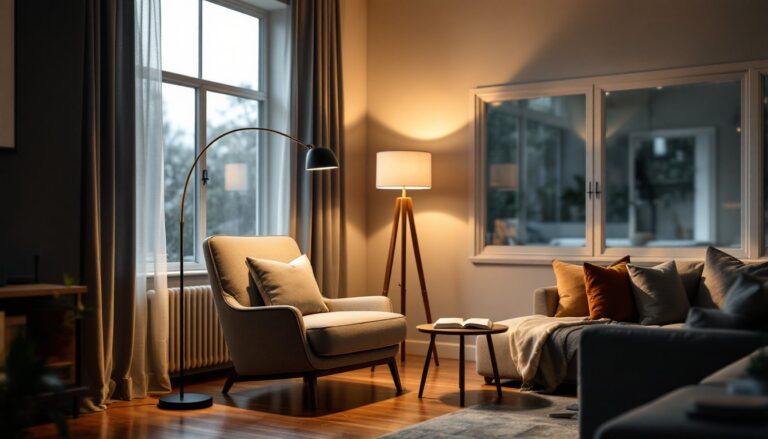
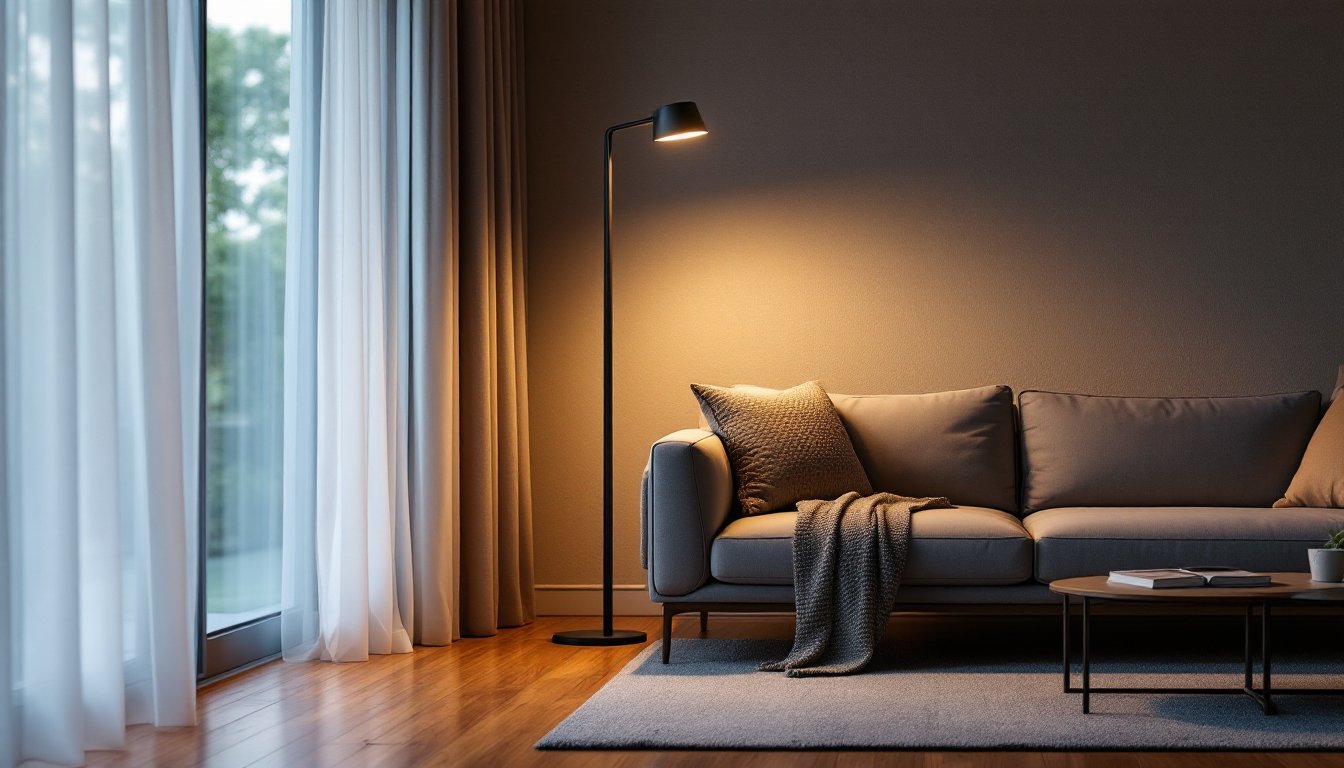
If your living room has clean lines, neutral tones, and a “less is more” philosophy, contemporary floor lamps are your ally. These designs feature slim profiles, matte finishes, and straightforward silhouettes, think arc lamps with a single curved metal arm, tower lamps with metal or wooden bases, and tripod designs that take up minimal floor space.
Minimalist lamps often use brushed nickel, matte black, or natural wood finishes. The best contemporary lamps pair function with restraint: they don’t need ornament to earn their place in the room. Many feature adjustable heads or dimmable LED bulbs, which aligns with modern living, you control brightness without multiple fixtures. According to design resources like MyDomaine, minimalist lighting emphasizes the fixture’s structure rather than decoration, making it work harder visually.
Traditional and Transitional Styles
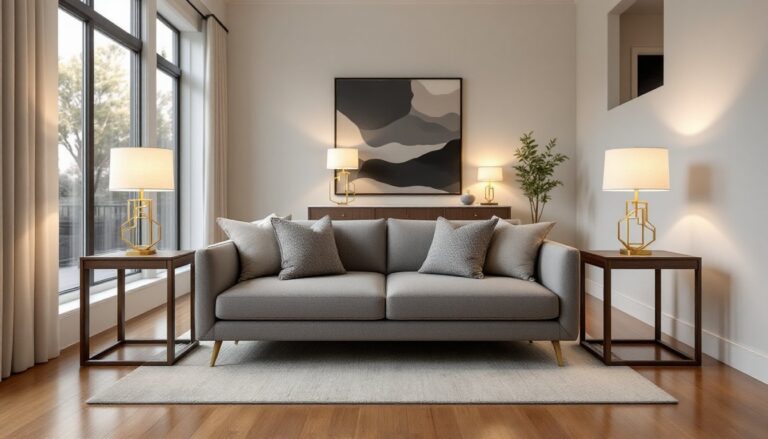
Traditional floor lamps lean into classic elements: brass or bronze finishes, fabric shades in cream or subtle patterns, turned wooden bases, and sometimes decorative details like rope trim or pleated edges. These lamps feel established and timeless, they’d work in a living room with vintage furniture, crown molding, or period details.
Transitional lamps split the difference. They borrow traditional proportions and materials but strip away fussy details, creating something that feels both grounded and contemporary. A lamp with a simple linen shade and a sturdy wooden base works in nearly any living room because it respects both clean design and warmth. Floor lamps for lounge spaces in transitional style are often the safest choice if you’re unsure about committing to a single aesthetic.
Key Features to Consider Before Buying
Before you click “add to cart,” evaluate these concrete factors:
Height and Reach
Most floor lamps stand between 58 and 72 inches tall. Measure from your floor to eye level when seated in your main chair or sofa, your lamp should be slightly higher than eye level so light projects onto your task (a book, laptop, or face) without creating glare. Arc lamps extend further into the room, sometimes 48–60 inches horizontally, making them ideal for reaching seating areas away from walls.
Bulb Type and Brightness
LED bulbs are now standard for residential lamps. A 12-watt LED (roughly equivalent to 60 watts incandescent) works for general ambient lighting: a 16–20 watt LED suits task lighting. Check the lumens rating, typically 800–1000 lumens for general lighting, up to 1500+ for reading. Color temperature matters too: 2700K (warm white) feels cozy, while 3000–4000K (neutral) is more practical for detail work.
Shade Material and Diffusion
Fabric shades (linen, cotton) diffuse light softly but may yellow over time with heat. Metal shades direct light more precisely, making them better for task work and modern aesthetics. Glass or acrylic diffusers offer even distribution without fabric fade concerns.
Base Stability
A heavy base, at least 10–15 pounds for standard floor lamps, more for arc lamps, prevents tipping, especially with kids or pets around. If you’re placing a lamp on a polished floor, a rubber-tipped base keeps it from sliding.
Dimming and Control
Many quality floor lamps now include in-line dimmer switches or work with smart bulbs. This flexibility costs a bit more upfront but transforms how you use the space, bright for entertaining, dim for evening wind-down. Lamps with LED living room lighting compatibility let you adjust from your phone, though that’s optional depending on your preference for simplicity.
How to Place and Style Your Floor Lamp
Placement is half the battle. A poorly positioned lamp wastes its potential: a well-placed one becomes invisible in the best way, it just makes the room work.
Identify Your Zones
Your living room has functional zones: reading areas, conversation clusters, entryways, and accent walls. Place a floor lamp within arm’s reach of your favorite seating, 6–10 feet from the chair is typical for a standard upright lamp, closer for focused task work. For corners or secondary seating, consider an arc lamp that arcs over from behind furniture to illuminate without requiring table or floor space directly at the light source.
Angle Matters
If you’re reading or working, aim the light over your shoulder, not into your face. Arc lamps excel here because you can direct the head precisely. Upright lamps with adjustable shades let you tilt the fixture slightly to avoid glare on screens.
Visual Balance
Floor lamps shouldn’t all be the same height or finish. Mixing a tall arc lamp with a medium upright lamp and perhaps a shorter accentlight creates visual rhythm and prevents the room from feeling monotonous. Keep scale in mind: in a large living room, a 60-inch lamp might appear spindly: in a compact space, a 65-inch lamp could dominate. According to House Beautiful’s guide to floor lamps, layered lighting, combining your lamps with table lamps and ceiling fixtures, is how professionals make a room feel complete.
Style Cohesion
Your lamps don’t need to match, but they should speak the same design language. If you choose one modern minimalist lamp, pair it with another contemporary fixture, not a traditional brass lamp. Mix finishes if they’re complementary, a natural wood base with a matte black shade works: glossy chrome with ornate brass usually doesn’t.
Conclusion
Choosing the right floor lamp for your living room comes down to three things: honest assessment of your space’s needs, clarity on your design direction, and commitment to placement that actually serves how you use the room. Whether you’re going for lamps living room floor setups that maximize a small space or creating layered lighting in an open plan, the goal is the same, practical light that makes the room feel intentional and inviting. Start by identifying one problem area in your living room, a dark corner, a reading nook, an accent wall, and let that guide your first lamp purchase. Once you see how it transforms that zone, you’ll understand your lighting better and be ready to add more thoughtfully.