A side table isn’t just a surface for a drink or remote control, it’s an opportunity to layer lighting, define your space, and fix those dark corners that make you squint. Whether you’re setting up a cozy reading nook, brightening a living room corner, or adding ambient light to a bedroom, choosing the right lamp for your side table makes all the difference. The challenge isn’t finding a lamp: it’s finding one that fits your space, matches your décor, and actually delivers the light you need. This guide walks you through the key decisions, from size and height to bulb type and style, so you can pick a lamp that works as hard as it looks good.
Table of Contents
ToggleKey Takeaways
- Position a lamp for side tables so the bottom of the shade sits at eye level (58–64 inches from floor) to prevent glare and ensure light spreads across your reading surface.
- Choose a lamp base under 8 inches in diameter to maximize usable surface space on your side table while leaving room for books, drinks, or décor items.
- Match your lamp’s style and finish to your side table’s material—brass or ceramic bases suit dark wood, while chrome or minimalist wooden bases complement metal and glass surfaces.
- Select the right bulb type for your needs: LED bulbs last 25,000+ hours and save money, while warm incandescent bulbs create cozier light and work better with traditional dimmers.
- Define whether you need task lighting (500+ lumens for reading), ambient lighting (40-watt equivalent in a translucent shade), or accent lighting before shopping for your side table lamp.
- Test your lamp in your actual space before committing by taking advantage of 30-day return policies, since online photos won’t reveal how it looks under your ceiling height and next to your furniture.
Understanding Side Table Lamp Styles and Designs
Traditional and Modern Lamp Aesthetics
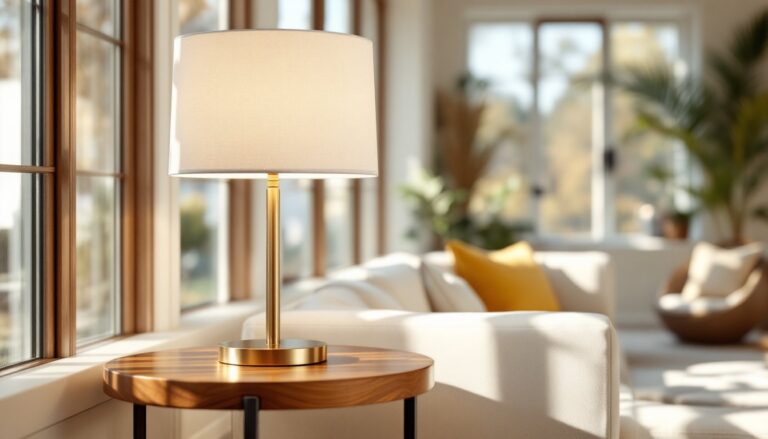
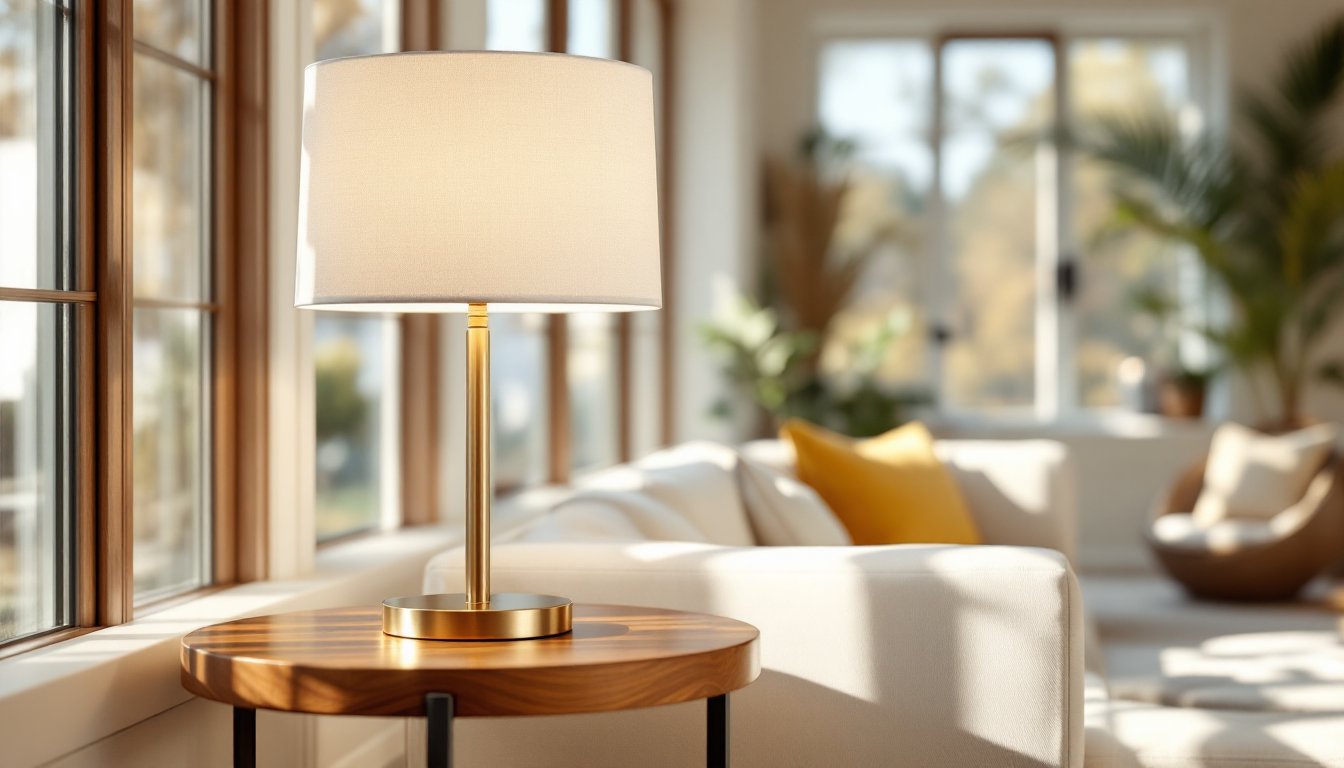
Traditional lamps bring warmth and formality to a space. Think tapered shades, brass bases, and fabric-wrapped cords, these pieces pair well with classic furniture and create a lived-in, established feel. A traditional fabric drum shade on a brass or ceramic base works beautifully beside a wingback chair or above a wooden side table in a living room.
Modern and contemporary lamps strip away ornamentation. Clean lines, minimalist bases (often metal or concrete), and simple geometric shades are hallmarks here. They work especially well in open-concept spaces and alongside mid-century or industrial furniture. A slender metal tripod base with a linen shade fits naturally into modern décor without visual clutter.
Don’t force a match, eclecticism is legitimate. A modern lamp on a traditional side table can create visual interest if materials or colors tie back to other pieces in the room.
Space-Saving Styles for Compact Areas
In smaller bedrooms or tight living rooms, a full-size table lamp eats real estate fast. Clip-on lamps and swing-arm fixtures screw directly to a shelf or headboard, eliminating the need for a traditional base. These are practical solutions that free up the surface of your side table entirely.
Small-footprint lamps, those with narrow bases under 8 inches in diameter, work on console tables and cramped nightstands. Look for designs where the base doesn’t take up half the table’s usable area. Tall, slender shapes with compact bases maximize light without bulk, making them ideal for lamp on side table setups in apartments or guest rooms.
Key Factors to Consider When Choosing a Side Table Lamp
Height, Base Size, and Bulb Type Essentials
Height matters more than most people realize. A lamp’s bottom of the shade should rest at roughly eye level when you’re seated, typically 58 to 64 inches from the floor. This prevents glare and ensures the light spreads across your lap or reading surface, not into your eyes. Measure your side table and the chair you’ll sit in before buying: an online photo won’t tell you if that lamp clears your shoulder.
The base footprint must match your table size. A side table’s surface might be 18 inches square or a narrow console at 12 by 36 inches. A lamp base wider than 8 inches in diameter competes for surface space. If your table is small, choose a base that leaves room for a book, drink, or lamp on side table styling items.
Bulb type affects both function and aesthetics. LED bulbs run cool, last 25,000+ hours, and save money over time, essential for lamps you use several hours daily. Incandescent or halogen bulbs produce warmer, dimmable light but generate heat and burn out faster. Check the lamp’s socket type: E26 (standard US screw base) fits most bulbs: GU10 (pin-based) and Candelabra (E12) require specific compatible bulbs. Wattage limits, usually printed inside the shade, prevent overheating. A shade rated for 60 watts maximum won’t safely handle a 100-watt equivalent LED, even if the bulb fits physically.
Dimmers let you adjust mood and energy use. Not all LED bulbs work with traditional dimmers: look for “dimmable LED” specifically. This matters for lamps in living rooms where you want flexibility between task and ambient lighting.
Matching Your Lighting Needs and Room Décor
Before shopping, define what you need the lamp to do. Task lighting, reading, puzzles, detailed work, requires 500+ lumens (roughly a 60-watt equivalent LED) concentrated downward through a focused shade. Ambient lighting softens a room and fills dark corners: a 40-watt equivalent in a translucent shade works fine. Accent lighting highlights art or décor: a dimmed lamp with a directed beam does the job.
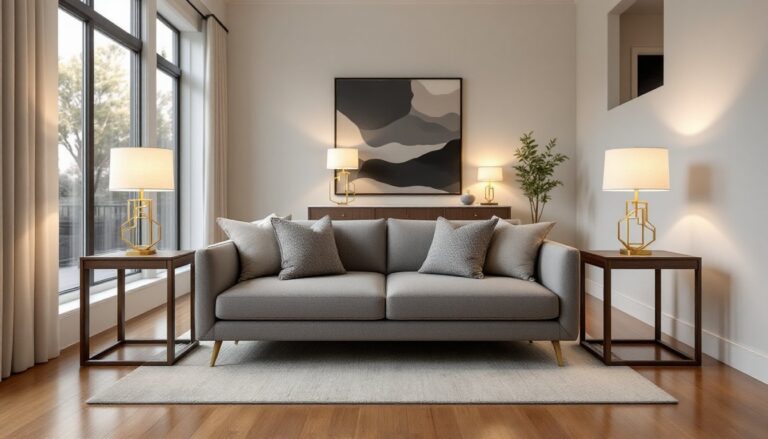
Your side table’s material and finish should guide your lamp choice. A dark wood table pairs naturally with brass, bronze, or ceramic bases: metal and glass tables suit chrome, stainless steel, or minimalist wooden bases. Shade color matters too. Warm white (cream, linen, soft yellow) shades create coziness and hide dust. Darker shades feel sophisticated but reduce light output, pair them with brighter bulbs. Interior designers note that table lamp placement follows rules around eye level and spacing that most homeowners overlook, particularly in bedrooms and workspaces.
Consider the surrounding décor’s color palette. A lamp with a shade that picks up a pillow color or complements wall paint ties the room together. Conversely, a neutral shade, natural linen or soft gray, works almost anywhere and won’t date quickly. Curated shopping guides to stylish options show how varied silhouettes and finishes serve different aesthetic goals, from minimalist to eclectic rooms.
If your side table sits in a dining room or living room, coordinate the lamp with your dining room table lighting ideas for a cohesive lighting plan across the space. Mismatched fixtures aren’t wrong, but intentional variety, similar finishes or complementary styles, looks more polished than random choices.
Top Lamp Types Perfect for Side Tables
Table lamps with fabric shades remain the workhorse for side tables. The shade diffuses light evenly and fits traditional, transitional, and even some modern settings. A linen or cotton shade feels soft and lets light through without harsh glare: polyester shades are durable and easier to clean but sometimes feel plastic-y. Pleated shades add visual interest: smooth shades read cleaner.
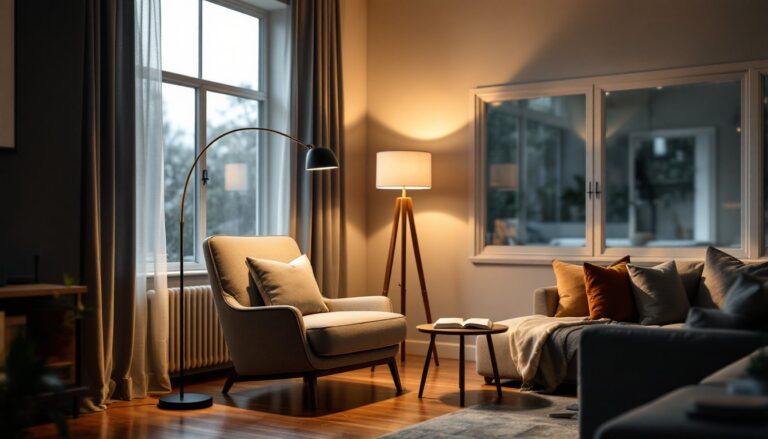
Arc floor lamps work if your side table is paired with a floor lamp curve: but, they take up floor space and may feel overkill in small rooms. Use them strategically when a table lamp won’t fit the layout, for example, beside a reading chair in a corner where the table is narrow or nonexistent.
Swing-arm or adjustable lamps mount to a wall or headboard. Ideal for bedside reading or workspaces where you want directional light without a bulky base. These save table surface and let you pivot the light where you need it.
Tripod and sculptural bases appeal to modern and eclectic spaces. Metal tripods are lightweight and look intentional: they pair well with white or natural linen shades. Ceramic or wooden sculptural bases add organic warmth. For a lamp for table living room, these bring personality without pretension.
Accent or decorative lamps, think vintage Edison bulbs, geometric shades, or colored glass bases, work best as secondary lighting in a room that already has adequate ambient light. They sacrifice some functionality for style, so don’t rely on one as your only light source in a dim corner.
Resources like The Spruce offer extensive home décor guidance and lamp comparison articles that can help you visualize options before purchasing. Check product reviews for common durability issues, wobbly bases, loose shade holders, and short cords are frequent complaints worth avoiding.
Pro tip: If you’re buying online, check the return policy. Seeing a lamp in your actual space, under your ceiling height and with your furniture, often reveals whether it’s the right fit. Many retailers offer 30-day returns: use that window to confirm before keeping it.