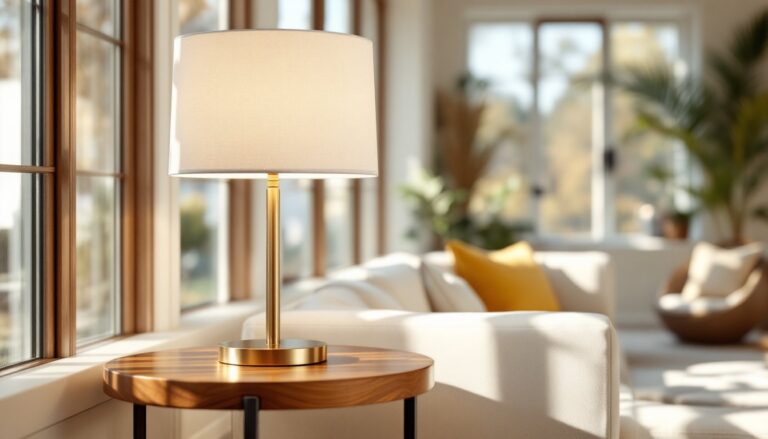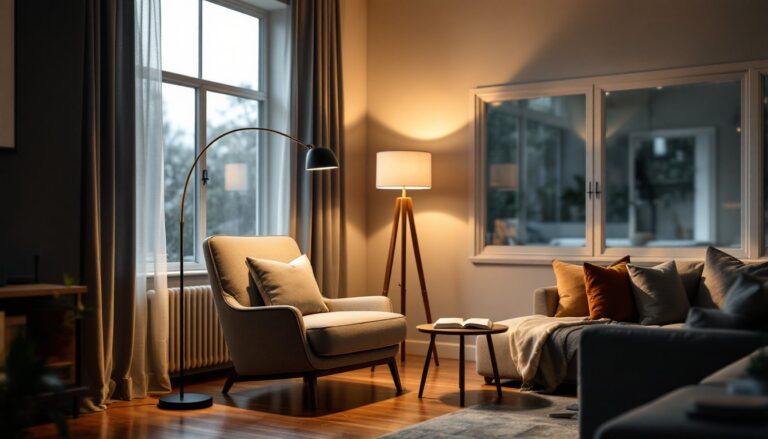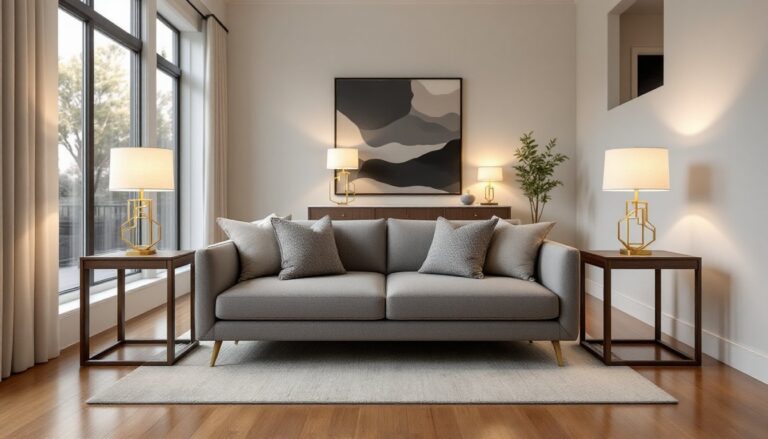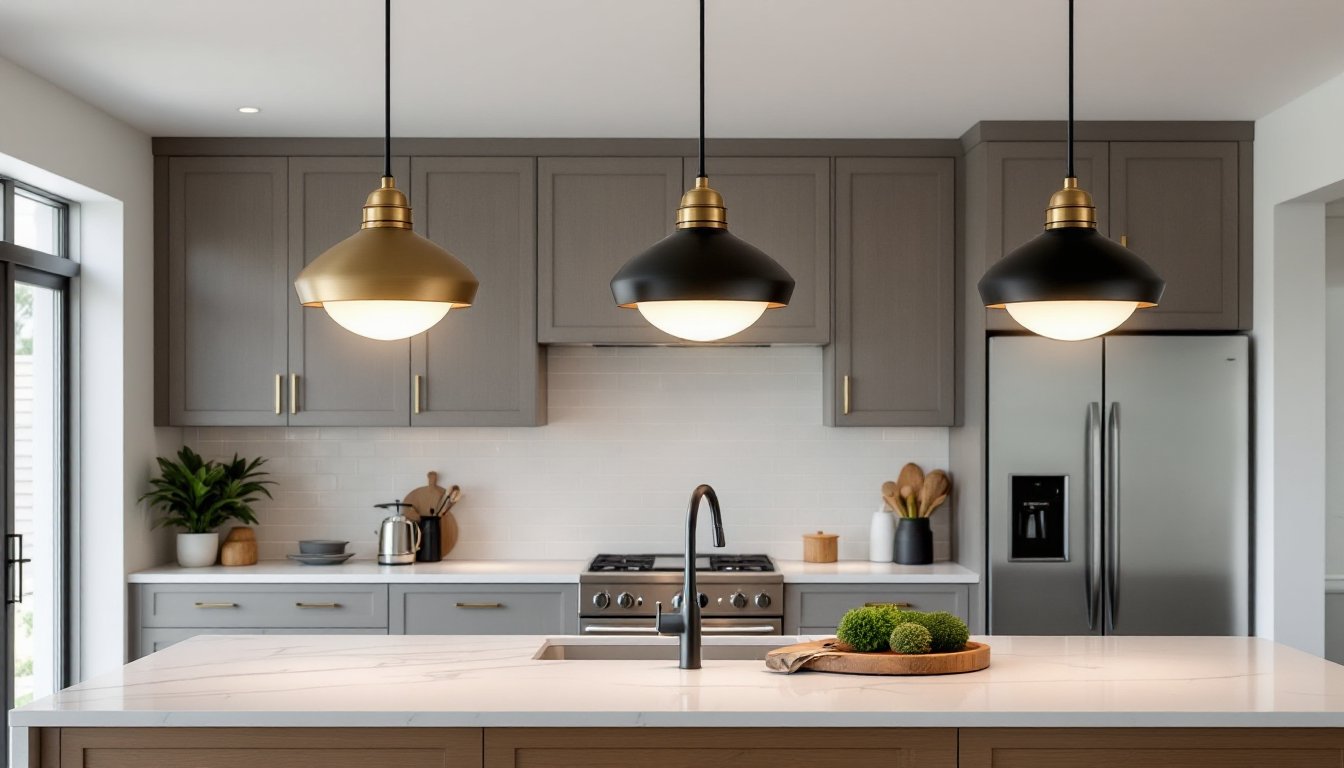
Pendant kitchen island lighting transforms both function and style in the heart of your home. Unlike overhead fixtures that wash the entire kitchen in uniform light, island pendants deliver focused illumination exactly where you need it, right over your workspace. They anchor the island visually, create ambient warmth, and work alongside your main kitchen lighting to eliminate shadows and dark corners. Whether you’re renovating a dated kitchen or upgrading a bland island setup, choosing the right pendants requires understanding style options, proper sizing, and placement standards. This guide walks you through everything you need to know to select and install hanging kitchen island lighting that looks intentional and performs reliably.
Table of Contents
ToggleKey Takeaways
- Pendant kitchen island lighting should have a diameter roughly one-third the width of your island, with spacing of 24–30 inches between fixtures to create a balanced, polished appearance.
- Mount pendants 30–36 inches above the countertop for optimal task lighting and clear sightlines, adjusting up to 40 inches for ceilings taller than 10 feet.
- Warm white LED bulbs (2700K–3000K) rated 600–800 lumens total across all fixtures provide energy-efficient, inviting illumination without the clinical look of cooler color temperatures.
- Choose durable finishes like brushed brass, warm bronze, or solid metal construction that hides fingerprints and withstands heat and steam from nearby cooktops.
- Island length determines the number of pendants needed: one for 24-inch islands, two for 36-inch islands, and three for anything longer than 42 inches to ensure even light coverage.
Popular Styles and Design Trends
The pendant kitchen island lighting market has expanded dramatically, offering homeowners far more than basic brass or chrome fixtures. Transitional designs, mixing modern simplicity with traditional warmth, dominate contemporary kitchens. Think straight-lined metal frames paired with fabric shades or opal glass that softens direct light. Industrial styles featuring Edison-style bulbs, blackened steel, and exposed hardware remain popular for farmhouse and eclectic kitchens. Minimalist designs with simple glass domes or cylinder shades suit sleek, modern spaces. Sculptural pendants in mixed metals (brass and matte black combos) or organic shapes are trending for homeowners who want a statement piece.
Color trends lean toward warm metallics like brushed brass and bronze rather than cool chrome. Many designers are moving away from matching sets toward eclectic groupings, three slightly different pendants in the same finish family create visual interest without chaos. Small pendant lights deliver, making them ideal for islands in compact kitchens. When selecting a style, ensure it complements your cabinetry finish and overall kitchen palette. A quick tip: Pinterest mood boards and design sites like Remodelista offer curated collections to help you identify which direction resonates with your home.
Modern Finishes and Materials
The finish you choose affects both durability and how the light reflects into your kitchen. Brushed brass and warm bronze are current favorites because they hide fingerprints and patina gracefully over time. Matte black and blackened steel work well in contemporary or industrial kitchens but require regular cleaning to avoid dust buildup. Polished chrome remains a professional-grade option that plays well in transitional spaces, though it shows every smudge.
Material choices matter for longevity. Solid metal construction (not thin-gauge stamped steel) withstands years of vibration from air movement and handles heat near stovetops better. Glass comes in several varieties: clear glass shows bulbs and interior components (a design feature in industrial or mid-century spaces), frosted or opal glass diffuses light evenly and hides wiring, and colored or textured glass adds personality. Fabric shades in linen or cotton soften light beautifully but require occasional cleaning and perform best when kept away from direct kitchen moisture. If your island sits near a cooktop, consider glass or metal shades that resist heat and steam damage.
Sizing and Placement Guidelines
Getting the proportions right makes the difference between a cohesive, polished kitchen and one that feels off-balance. A general rule: your pendant diameter should be roughly one-third the width of your island. If your island is 24 inches wide, aim for 8-inch diameter shades: a 36-inch island works with 12-inch pendants. For a 48-inch island, consider either three medium pendants or two larger ones spaced evenly.
The spacing between pendants matters too. Position them 24 to 30 inches apart, and center the grouping above the island rather than aligning them to one edge. This creates a balanced look from all angles, a key detail often missed in DIY setups. Hanging kitchen island lighting in clusters requires careful wire management: use a junction box rated for the combined weight of all fixtures and confirm it’s properly supported from the joist above.
How High Should You Hang Pendant Lights?
Height is critical for both safety and light distribution. Mount pendants 30 to 36 inches above the island countertop surface, this clears the line of sight while still providing task lighting. If your ceilings are unusually high (10 feet or more), bump this up to 36 to 40 inches. The bottom of the shade should clear any tall items you typically have on the island (bar stools, stand mixers, stacked bowls).
Measure twice before drilling into ceiling joists. Use a stud finder to locate structural framing, and confirm you’re not hitting hidden pipes or electrical conduit. If your ceiling joists run perpendicular to your island length, install a ceiling-mounted cross brace or beam rated for the combined fixture weight. Building codes typically require a minimum 50-pound rating for residential pendant fixtures, though actual fixtures usually weigh 5 to 15 pounds each.
How Many Pendant Lights Do You Need?
The answer depends on island length and brightness goals. A 24-inch island fits one medium pendant: a 36-inch island works with two: anything longer than 42 inches typically needs three for even light coverage and visual balance. Adjustable pendant lighting allows flexibility if you’re uncertain about placement, since some fixtures allow you to shift height after installation.
Consider bulb brightness too. A single 60-watt equivalent LED in an industrial open-shade pendant might seem dim over a large island: opt for three smaller fixtures with 40-watt equivalent bulbs distributed across the length. This spreads light more evenly and eliminates dark shadows at the ends.
Lighting Considerations for Different Kitchen Layouts
Island pendant placement varies with kitchen design. In a galley kitchen (narrow, parallel counters), center pendants directly above the island to avoid shadows on surrounding countertops. If your island runs perpendicular to upper cabinets, hang pendants 12 to 18 inches out from cabinet faces to prevent light from being blocked. Open-concept kitchens benefit from pendants that coordinate with living room wall sconce lighting or dining fixtures, this creates visual continuity as eyes move through the space.
If your island has a range or cooktop built in, keep pendants at least 24 inches back from the burners to avoid heat damage and steam exposure. Closed-shade fixtures work better here than open designs. For islands with a sink, ensure pendants don’t obstruct the faucet spray pattern or make it awkward to fill tall pots. Mini pendant lighting offers, and many come in coordinated finishes that match cabinetry hardware.
Bulbs, Brightness, and Energy Efficiency
Modern LED bulbs have made pendant lighting more flexible and cost-effective than ever. Most residential kitchen islands perform well with 2700K (warm white) or 3000K (soft white) color temperature bulbs, which feel natural and inviting. Skip the 4000K+ daylight-color bulbs unless you want a clinical workspace vibe: kitchens live warmer. For task work (chopping, prep, reading recipes), aim for 600 to 800 lumens total across all pendants, roughly 200 to 300 lumens per fixture for a three-pendant setup.
LED A19 or A21 bulbs rated 8 to 12 watts (60 to 100-watt equivalents) strike a balance between brightness and energy use. If you want dimmable control (invaluable for shifting mood from task cooking to ambient dining), confirm your bulbs, dimmer switch, and fixture are all rated compatible. Not all LED bulbs play nicely with traditional dimmers: look for “dimmer-compatible” labels. Check the fixture packaging for the maximum wattage rating and bulb compatibility, mixing incompatible bulbs and fixtures creates flickering or premature failure.
Energy-wise, LED pendants over incandescent cut electricity usage by roughly 75%. A three-fixture setup running 8-hour days consumes about $15 to $25 annually in electricity versus $50 to $70 with older tech. Clear glass pendant lighting showcases modern LED bulb design elegantly and eliminates the need to hide dated bulb shapes. When shopping, prioritize fixtures that accept standard bulbs over proprietary LED modules: you’ll save money long-term on replacements and avoid being locked into one supplier’s ecosystem. Design sources like The Kitchn regularly review energy-efficient kitchen fixtures and can guide you toward reliable brands that balance price, performance, and durability.