Clear glass pendant lighting has become a staple in modern home design, and for good reason. These fixtures deliver clean lines, versatility, and genuine illumination without sacrificing style. Whether you’re updating a kitchen island, adding warmth to a dining room, or creating a focal point in your entryway, clear glass pendants adapt to nearly any décor. Unlike frosted or colored glass, clear options let you see the bulb and internal design, a feature that works best with quality filament or LED bulbs. This guide walks you through why homeowners love them, which styles work where, how to install them correctly, and how to keep them looking sharp for years to come.
Table of Contents
ToggleKey Takeaways
- Clear glass pendant lighting delivers authentic, unfiltered illumination and adapts to nearly any décor style, from industrial lofts to Scandinavian kitchens, while remaining cost-effective compared to frosted or designer alternatives.
- Common clear glass pendant styles include dome and cylinder shades for minimalist aesthetics, globe designs for nostalgic industrial charm, and geometric or cluster arrangements for contemporary spaces with layered lighting effects.
- Proper installation requires verifying your electrical box weight rating (typically up to 50 pounds), using correct wire gauge for your circuit amperage, and measuring pendant drop carefully—typically 30 to 36 inches above countertops—before securing the canopy flush to the ceiling.
- Bulb selection is critical for clear glass pendants since the transparency exposes every detail; choose Edison-style filament bulbs for industrial styles or dimmable LEDs with 2700K color temperature for warm, energy-efficient illumination.
- Clear glass pendants work best in kitchens and islands, dining rooms, entryways, bedrooms with dimmer switches, and bathrooms, where their neutral appearance complements various design schemes without visual bulk.
- Maintain clear glass pendant lighting by dry-dusting every 2–3 weeks, using distilled water for stubborn marks, avoiding bare-hand contact with bulbs, and performing yearly inspections of the canopy, wiring, and hardware for safety and longevity.
Why Clear Glass Pendant Lights Are the Top Choice for Modern Homes
Clear glass pendants punch above their weight because they’re honest about what they are. The transparent shade doesn’t hide the light source, so you get authentic, unfiltered illumination, crucial in kitchens and task areas. They also age well: dust and wear show more easily than with frosted glass, but when cleaned, they look as fresh as the day you hung them.
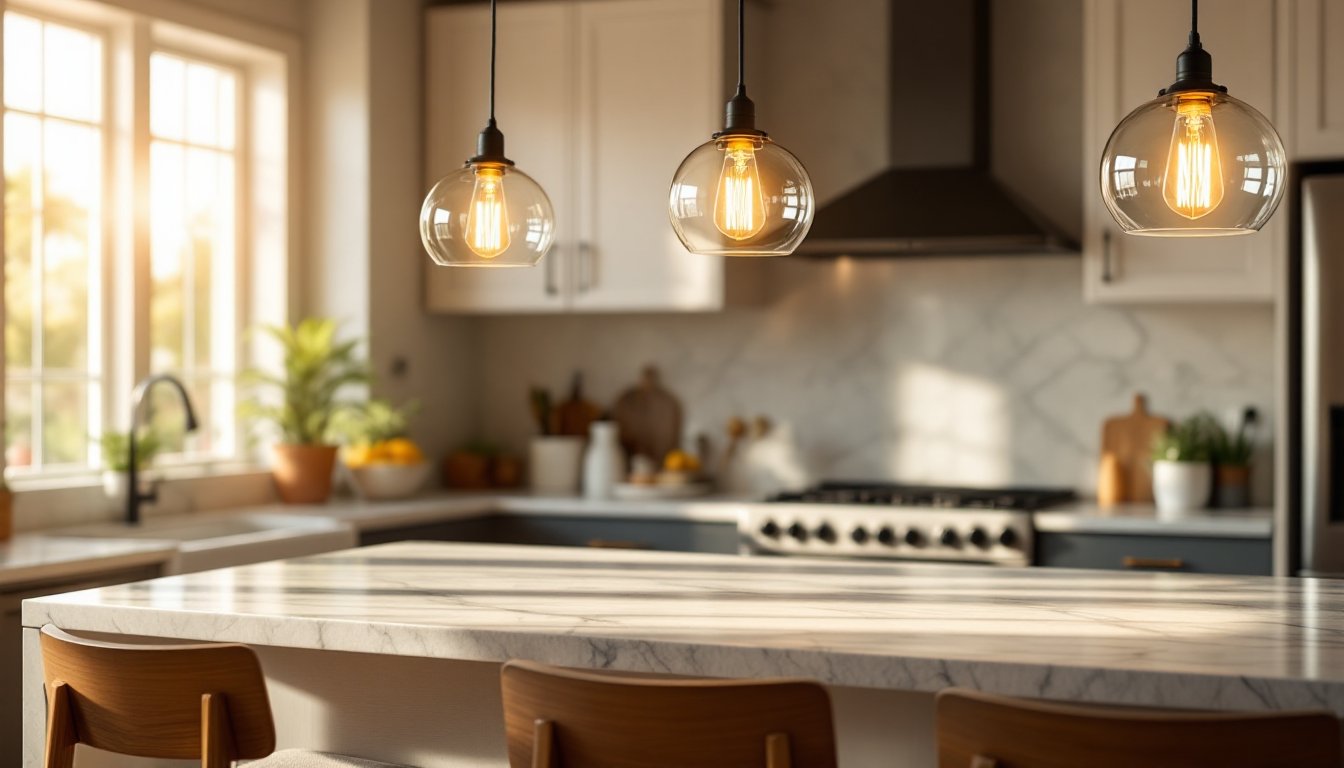
Beyond light output, clear glass adapts to almost any style narrative. Pair a simple dome shade with a decorative Edison bulb in an industrial loft, use the same shade with a sleek LED in a Scandinavian kitchen, or stack three over a marble island for contemporary dining room lighting impact. The glass itself remains neutral while the bulb, fixture hardware, and arrangement do the styling work.
Cost-wise, clear glass pendants often undercut their frosted or designer counterparts. You’re paying for form and function, not a premium glass treatment. That savings lets you invest in quality wiring, proper dimmer-compatible bulbs, and professional installation if needed, all factors that add years to a fixture’s life. They also pair exceptionally well with island seating, creating intimate zones within an open-concept space without heavy visual bulk.
Understanding Different Styles and Designs
Clear glass pendant styles break into a few broad camps, each suited to different moods and spaces.
Industrial and Minimalist Options
Dome and cylinder shades dominate this category. A dome shade, typically 8 to 12 inches in diameter, offers simplicity and excellent light throw. The cylinder variant (sometimes called a tube or straight-sided shade) suits modern, Scandinavian, and loft aesthetics. Both pair beautifully with matte black, brass, or brushed steel hardware. Install single domes over bar seating, or cluster three to five over an island for layered illumination.
Globe and orb designs bring nostalgic industrial charm without fussiness. These work especially well when you choose a visible bulb, think warm-white Edison-style bulbs with visible filaments. A 6-inch globe hangs low and moody: a 10-inch globe commands more presence. Industrial pendants also pair naturally with exposed beam ceilings and visible conduit, though they fit equally well in a transitional kitchen where they soften harder modern lines.
Transitional and Contemporary Looks
Geometric and sculptural glass shapes, cubes, cones, and asymmetrical forms, add visual interest while staying minimal. These suit contemporary spaces and midcentury-modern homes. Clear glass lets you showcase the geometric silhouette without overwhelming the room.
Cluster or multi-pendant kits let you hang several smaller shades (4 to 6 inches each) in staggered heights. This approach creates depth and visual rhythm, perfect for kitchen lighting that feels curated rather than standard. Cluster arrangements also distribute light more evenly than a single large shade, reducing hot spots and shadows.
Installation Tips for DIY Success
Before you reach for your wire strippers, check two things: your electrical box type and local codes.
Electrical Box and Mounting. Most pendant installations replace an existing ceiling fixture. If you’re adding a new pendant where none existed, you need a ceiling-rated electrical box rated for the fixture weight. Clear glass pendants vary, a 10-inch dome with brass hardware weighs 2 to 4 pounds: a cluster setup can run heavier. Standard retrofit boxes handle up to 50 pounds, but confirm your box’s rating. If the existing box is old or loose, replace it with a new pancake or standard box bolted securely to a joist.
Wiring Essentials. Use 14-gauge NM (Romex) wire for standard 15-amp circuits: 12-gauge for 20-amp. Most pendant jobs run on a standard light circuit. Turn off power at the breaker and verify it’s off with a non-contact voltage tester, not a light bulb. Strip about 6 inches of sheathing from the wire, then connect hot (black), neutral (white), and ground (bare copper) to the fixture’s corresponding wires using wire nuts. Tighten the connector on the fixture canopy snugly to the mounting bracket.
Hanging Hardware. Most clear glass pendants come with adjustable cord or chain. Measure the drop carefully, pendant bottoms typically hang 30 to 36 inches above countertops, 12 to 24 inches below ceiling-mounted lights in clusters. Verify this before drilling or cutting cord. Use a level to ensure the canopy sits flush against the ceiling: gaps let dust and light escape.
When to Call a Pro. If the existing electrical box is damaged, if you’re adding a new circuit, or if you’re unsure about wire gauge and load rating, hire a licensed electrician. Pendant lighting isn’t complex, but incorrect wiring causes fires or shock. A professional visit ($75–$150) beats a safety risk or an insurance claim.
Bulb Selection. Clear glass shows every detail of the bulb, so choose one that looks good. A15 or A19 Edison-style incandescent bulbs with visible filaments suit industrial styles: dimmable LED A19s work everywhere and cut energy use by 80%. Avoid cheap, harsh-white LEDs: they’ll wash out your fixture’s warmth. Test the bulb’s color temperature (aim for 2700K for warm, incandescent-like light) before committing.
Styling and Design Ideas for Every Room
Clear glass pendants adapt to any room, but placement and pairing matter.
Kitchen and Island. This is pendant territory. Hang one large fixture (10 to 12 inches) centered over an island seating area, or space three medium shades (8 inches) at even intervals along a 4-foot island. Pair with warm-white bulbs (2700K) to balance task lighting from your overhead fixture. Brass or matte-black hardware bridges modern and farmhouse aesthetics. Avoid pendants directly above countertop work zones: use those for accent lighting or visual interest rather than task work.
Dining Room. A single large pendant or a trio of medium shades suspended 30 inches above the table creates focal-point drama. Interior design platforms like Elle Decor frequently feature clear glass pendants in upscale dining setups, often paired with vintage or mid-century-modern furniture. The transparency doesn’t compete with place settings or table décor, it enhances the scene.
Entryway and Hallway. A pendant in a two-story foyer creates visual interest from the moment guests arrive. Choose a 10 to 14-inch shade and ensure adequate headroom. In hallways, smaller pendants (6 to 8 inches) spaced 4 to 6 feet apart replace recessed lights with personality, especially in older homes where recessed cans feel out of place.
Bedroom and Living Room. Pair pendants with dimmer switches to set mood. A small dome or globe shade flanking a bed (with proper clearance from walls and nightstands) adds elegance without bulk. In living rooms, clear glass over a side table or reading nook provides targeted light without the heavy feel of traditional wall sconces. MyDomaine styling guides often showcase pendant lighting in layered bedroom schemes, combining pendants, floor lamps, and accent lighting for depth.
Bathroom. A pair of clear glass pendants flanking a mirror suits contemporary and transitional bathrooms. Ensure the fixture is rated for damp or wet locations if hung very close to a shower or tub. Otherwise, standard pendants work fine in dry bathrooms.
Maintenance and Care for Long-Lasting Shine
Clear glass shows fingerprints, dust, and water spots. Keep them looking sharp with minimal effort.
Regular Cleaning. Every two to three weeks, dry-dust the shade and canopy with a soft cloth. For fingerprints or water marks, dampen the cloth slightly with distilled water (tap water leaves residue) and wipe gently. Avoid vinegar or harsh chemicals, which can damage finishes on brass or painted hardware. Let any moisture dry completely before turning the light back on.
Bulb Care. Don’t touch halogen or incandescent bulb glass with bare hands: oils accelerate burnout. Use a clean cloth or paper towel when installing. LED bulbs rarely need replacement, but check the base and socket yearly for corrosion or loose connections. Corroded sockets sometimes indicate moisture in the fixture, a sign the canopy seal isn’t tight or the box drain is blocked. Address it immediately to avoid electrical hazards.
Hardware Maintenance. Brass hardware can patina with age: some love this look, others want shine. Use a brass polish or lemon juice on a soft cloth to restore glow quarterly if desired. Matte-black or brushed-steel finishes require less intervention, a dry cloth usually suffices. If hardware starts to loosen over years of vibration or thermal cycling, hand-tighten set screws or the canopy connector. Don’t overtighten: you’ll strip brass.
Inspection. Once yearly, turn off power and inspect the canopy and wire connections. Look for cracks in the glass (rare but possible after impact), corrosion on the canopy, or loose hardware. Catching small issues early prevents failures. If glass cracks, the shade must be replaced: it’s a safety and aesthetic concern.