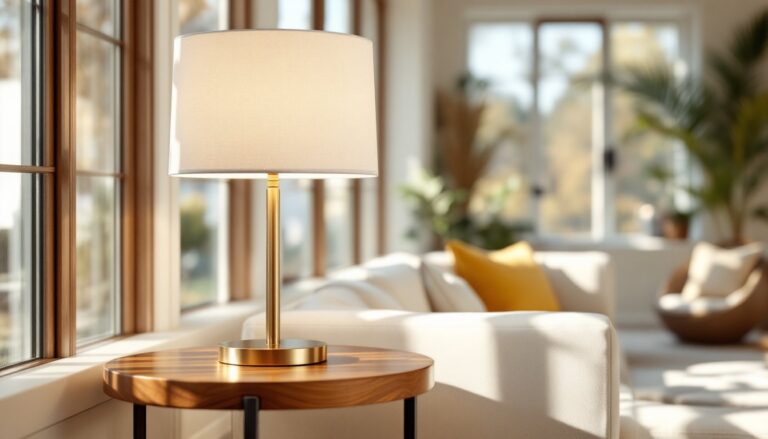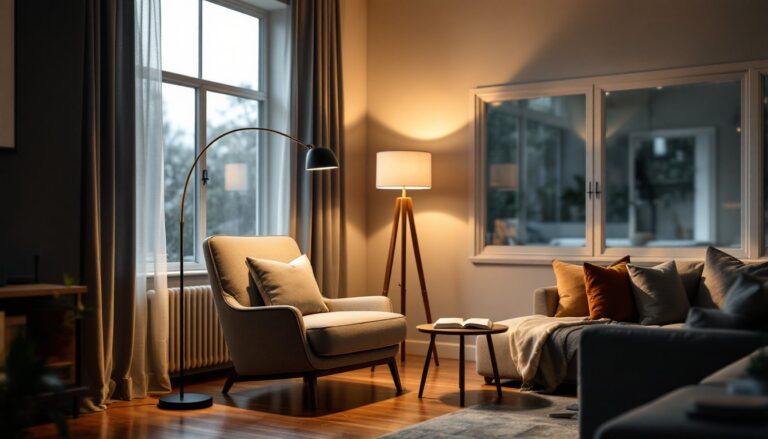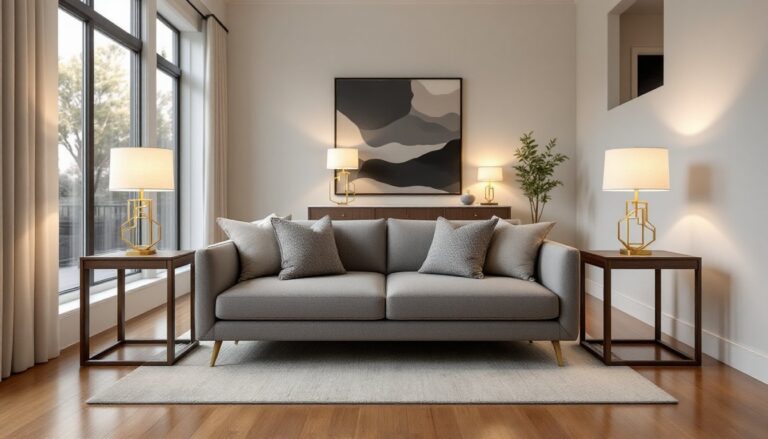
Good lighting is the difference between a living room that feels dark and cramped and one that invites you to sink into the sofa for hours. Floor lights for living room spaces have evolved far beyond the old brass torchiere gathering dust in the corner. Today’s floor lamps work as statement pieces, task lighting, and ambient fixtures all at once. Whether you’re looking to brighten up shadowy corners, add warmth to a cool space, or create distinct lighting zones, floor lights offer flexibility that overhead fixtures alone can’t match. In 2026, homeowners are ditching one-size-fits-all lighting in favor of layered designs that let them control mood and function with precision.
Table of Contents
ToggleKey Takeaways
- Floor lights for living room spaces solve real lighting problems by eliminating shadows and dark corners that single overhead fixtures create.
- Layered lighting designs—combining overhead, task, and accent sources—give homeowners precise control over mood and function without requiring ceiling installation.
- Arc and tripod floor lamp styles dominate 2026 designs, with LED bulbs offering energy efficiency, 15,000+ hour lifespans, and dimmable options for customizable brightness.
- Proper placement matters: position reading lamps 12–18 inches to the side of seating, and use uplight angles to bounce light off ceilings for a welcoming ambient effect.
- Always measure ceiling height, furniture dimensions, and intended placement before purchasing—the lampshade bottom should sit at eye level when seated to avoid glare and ensure comfort.
- Choose warm color temperatures (2700K–3000K) and opaque or translucent shades to create an inviting atmosphere while hiding the bulb and reducing eye strain.
Why Floor Lights Matter In Living Room Design
Floor lights serve a purpose beyond aesthetics, they solve real lighting problems. A single overhead fixture casts shadows, makes reading difficult, and leaves certain corners dark. Proper layered lighting, which includes floor lamps, eliminates these issues by distributing light across multiple levels and angles.
Floor lamps provide task lighting where you need it most: next to reading chairs, beside seating arrangements, or in corner nooks. They also offer flexibility. Unlike ceiling fixtures that require an electrician, you move a floor lamp wherever the room layout demands. This adaptability means you can redesign your space without rewiring.
Beyond function, floor lights serve as design anchors. An arc floor lamp with a sculptural curve becomes a focal point. A minimalist tripod design complements Scandinavian interiors. LED living room lighting has added energy efficiency and smart controls to the mix, letting homeowners dial in exact brightness and color temperature. The right floor light doesn’t just illuminate, it shapes the entire atmosphere of your room.
Popular Floor Light Styles For Every Living Room
Arc Floor Lamps And Scandinavian Minimalism
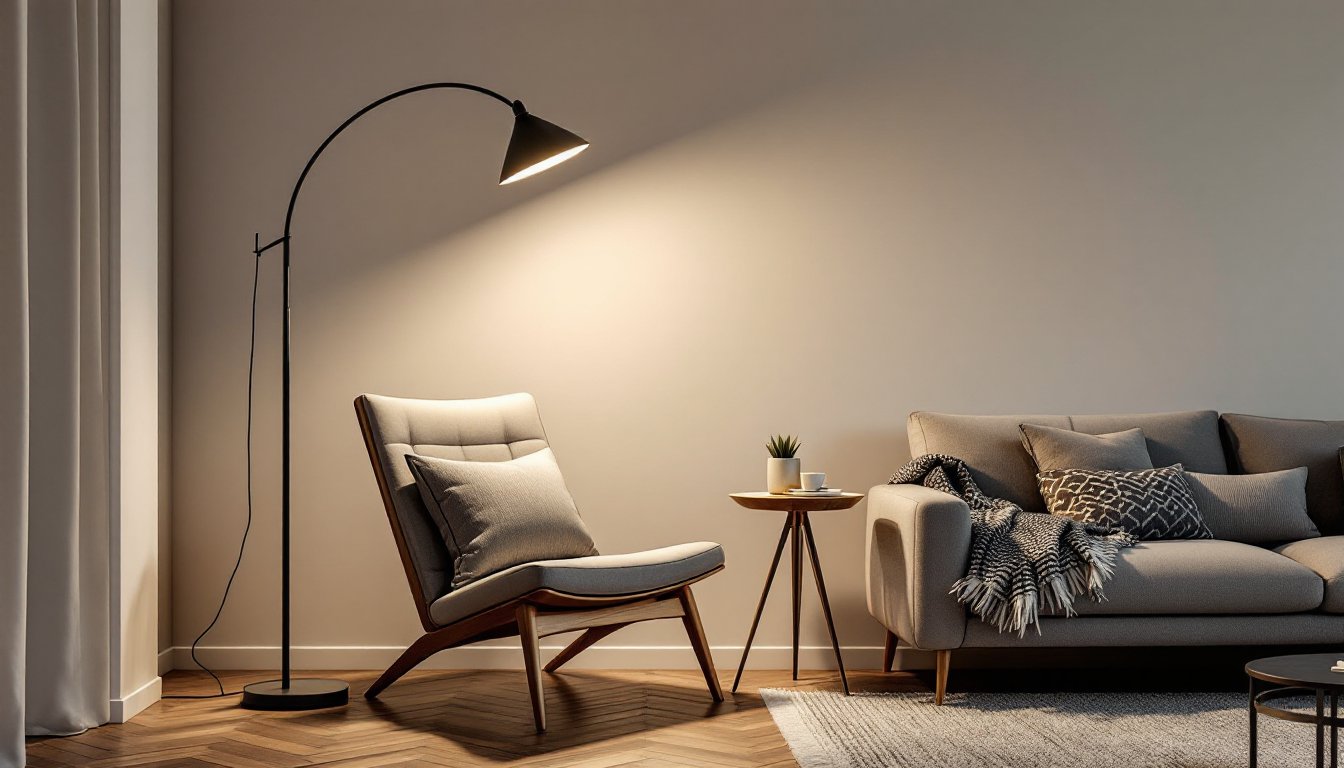
Arc floor lamps have dominated living room design for the past few years, and for good reason. These lamps feature a curved arm that extends from the base over seating, directing light downward without requiring a side table. They’re ideal for reading over an armchair or illuminating a coffee table from above.
The Scandinavian minimalism movement favors arc lamps with clean lines, natural wood bases, and linen or paper shades in neutral tones. Matte black and brushed brass finishes pair well with light oak or walnut bases. These designs prioritize function, no ornamental fuss, which keeps visual clutter minimal while maximizing utility.
When shopping for an arc lamp, check the arm length and height. Most arc lamps stand between 70 and 82 inches tall, with arm spans of 48 to 60 inches. Measure your seating area to ensure the bulb clears your head and angles properly over where you’ll sit. Adjustable pendant lighting shares this philosophy of adaptability, though floor lamps offer the advantage of no ceiling installation required.
Tripod Designs And Contemporary Appeal
Tripod floor lamps bring a geometric, architectural feel to contemporary and industrial living rooms. The three-legged base is inherently stable and visually lighter than single-column designs. Most tripod lamps stand 60 to 72 inches tall and work well in corners or as statement pieces beside furniture.
Contemporary tripod designs often pair wood legs with metal frames and fabric shades. Some feature adjustable heads, allowing you to angle light exactly where needed. This flexibility works especially well in open-concept living rooms where light needs to reach multiple zones. Pendant track lighting offers similar zoning benefits, but tripod lamps provide that standalone, sculptural quality that anchors a room’s design identity.
The neutral color palette common to tripod designs, grays, blacks, natural wood, and warm metals, integrates seamlessly with most decor without demanding attention. This restraint is precisely what makes them effective. A well-chosen tripod lamp becomes part of the room’s bones rather than a decorative afterthought.
Choosing The Right Floor Light For Your Space
Start by assessing your actual lighting needs. Are you reading in this spot, or is the lamp purely ambient? Do you need to light a dark corner or supplement existing overhead lighting? Task lighting, like reading lamps, requires higher lux values (around 300-500 lux) and should shine directly on your activity. Ambient lighting needs less intensity but covers a broader area.
Consider bulb type carefully. LED bulbs dominate now because they run cool, last 15,000+ hours, and consume far less energy than incandescent or CFL. Look for a color temperature between 2700K and 3000K for warm, inviting light in living rooms, anything cooler (4000K and above) feels clinical. Dimmable LED bulbs give you control over brightness: check that your lamp’s switch or fixture is rated for dimmers before purchasing.
Shade material matters too. Opaque shades (linen, cotton, paper) diffuse light evenly and hide the bulb, reducing glare. Translucent shades cast softer shadows and work in minimalist settings. Darker shades absorb more light, so you may need higher wattage to achieve adequate brightness. Test lamp brightness in-store or read reviews specifying lux output: don’t rely on wattage alone since LED wattage varies widely.
Height and scale are critical. A lamp that’s too short looks squat: one that’s too tall dominates the room. As a rule, the bottom of the lampshade should sit roughly at eye level when you’re seated. For arc lamps, ensure the arm doesn’t hang so low it hits your head or so high it misses the reading area. Measure your ceiling height, furniture height, and intended placement before buying. If you’re combining multiple light sources, LED strip lighting ideas can add accent lighting that complements floor lamps without overwhelming the space.
Placement Tips And Lighting Zones
The best living rooms use layered lighting, a combination of overhead, task, and accent sources. Floor lights form the task and accent tier. Position them strategically to create zones that match how your family actually uses the space.
For reading areas, place a lamp 12 to 18 inches to the side and slightly behind the seating. This angle minimizes glare on book or screen pages while keeping light out of your direct line of sight. Corner arcs work especially well here because the arm reaches over chairs while the base stays tucked against the wall.
For ambient zones, position floor lamps to bounce light off walls or ceilings rather than pointing directly into eyes. An uplight effect (shining toward the ceiling) creates a gentle, diffused glow that makes the room feel larger and more welcoming. This technique works best with pale-colored ceilings that reflect light effectively.
In open-concept layouts, use floor lamps to define seating areas. A lamp beside a sofa anchors that furniture grouping visually and functionally. If your living room flows into a dining area, a lamp between zones bridges the transition without a hard line. Mini pendant lighting ideas can accent these zones overhead, while floor lamps ground them at human scale.
Always keep cord safety in mind. Run cables behind furniture, use cord covers in high-traffic areas, and keep cords away from heat sources. Test lamp stability on your actual flooring, some bases slip on hardwood or polished concrete. Add a non-slip mat underneath if needed. Place the lamp where it won’t be a trip hazard, especially if you have kids or pets. Living room overhead lighting should work in concert with floor lamps, not compete with them. Dim the overhead when task lamps are on to create depth and reduce eye strain.
Conclusion
Floor lights for living room spaces aren’t luxury additions, they’re practical solutions that improve both function and atmosphere. Whether you choose an arc lamp for reading, a tripod design for contemporary style, or bamboo lighting solutions for sustainable warmth, the key is matching the lamp to your specific needs and space. Layer your lighting thoughtfully, measure before you buy, and remember that the best floor lamp is one you’ll actually use. Done right, it’ll earn its place in your living room for years to come.