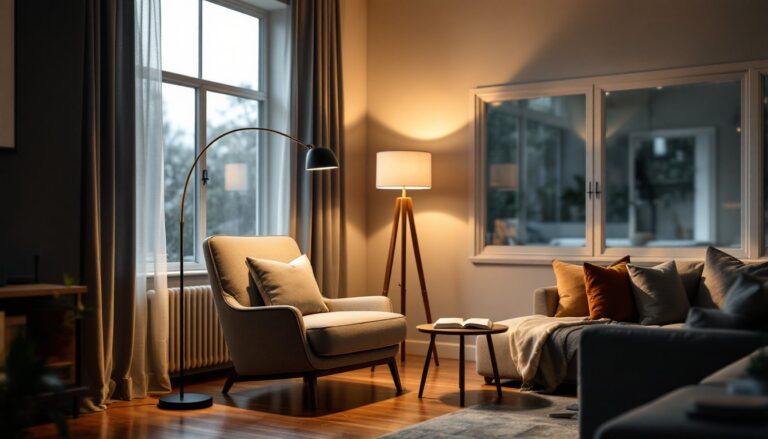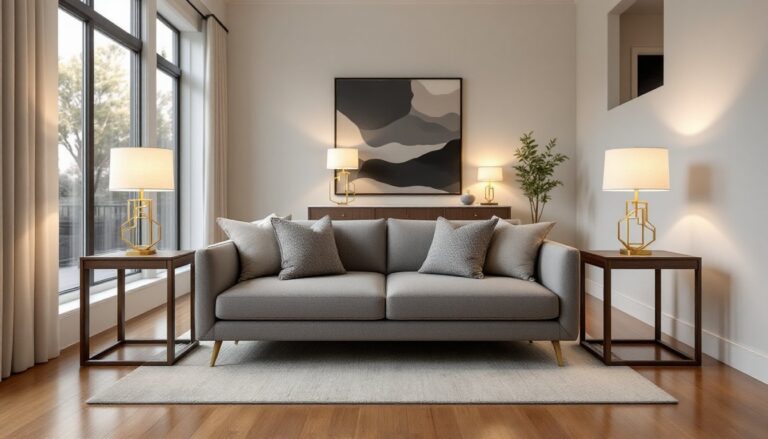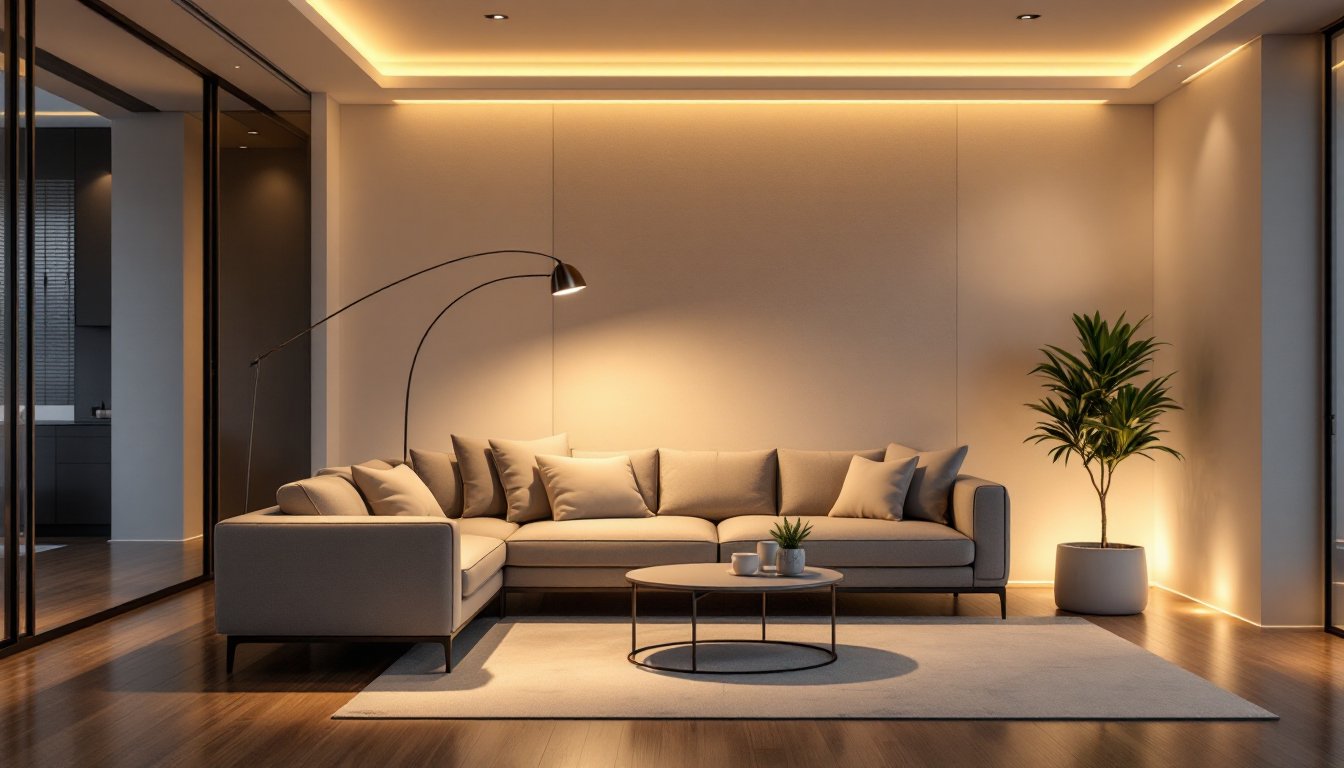
Living room floor lights are the unsung workhorses of home lighting design. Unlike ceiling fixtures that cast light straight down, floor lamps create layered, ambient lighting that shapes how your entire room feels, whether you’re reading, entertaining, or just relaxing after a long day. The right floor light can highlight architectural details, brighten dark corners, and let you dial in the exact mood you want. In 2026, homeowners and DIY enthusiasts have more options than ever: arc lamps that curve over seating, adjustable tripods that pivot to your needs, and uplighters that transform walls into glowing backdrops. This guide walks you through the essentials so you can pick the perfect floor light for your space and install it with confidence.
Table of Contents
ToggleKey Takeaways
- Living room floor lights create layered, ambient lighting that shapes mood and function more effectively than overhead fixtures alone, allowing you to define task zones and eliminate harsh shadows.
- Arc lamps, tripod adjustable models, and uplighters each serve different purposes—arc lamps are ideal for reading areas, tripods work in tight spaces, and uplighters create dramatic accent lighting without providing sufficient task light.
- Choosing the right floor light requires matching the fixture to your ceiling height, seating layout, and existing light sources rather than focusing solely on style.
- LED bulbs with warm color temperatures (2700K–3000K) offer dimmability and energy efficiency, making them superior to outdated halogen or incandescent options for modern floor lighting.
- Safe installation involves checking cord length, stabilizing the base on level surfaces, securing the shade properly, maintaining 12 inches of clearance from flammable materials, and using surge protection.
- Strategic placement behind seating, in corners, or flanking furniture maximizes the impact of living room floor lights while keeping cords visible and away from traffic hazards.
Why Floor Lighting Matters in Your Living Room Design
Floor lighting does more than add brightness, it fundamentally changes how your living room feels and functions. A single overhead fixture leaves harsh shadows and dead zones: floor lamps distributed around the room create depth and comfort. They let you create zones: task lighting over a reading chair, ambient light for movie night, accent lighting to showcase art or architectural features.
Floor lamps also give you control. You flip a switch and can warm up a cold corner or boost light exactly where you need it, without rewiring or hiring an electrician. This flexibility is why interior designers lean on them, they’re cheaper and easier than installing recessed ceiling lights, and they’re portable if you ever rearrange furniture or move.
Beyond function, floor lights shape the visual weight of a room. A tall arc lamp draws the eye upward and makes ceilings feel higher. A subtle uplighter adds drama without clutter. LED living room lighting has made these fixtures even smarter, you can dim, color-shift, or even automate them to match your daily rhythm. The right floor light bridges style and practicality in ways ceiling fixtures simply can’t.
Types of Living Room Floor Lights to Consider
Living room floor lights come in distinct families, each solving different problems and suiting different spaces. Knowing the basics helps you avoid wasting money on a fixture that looks great but doesn’t work for how you actually live.
Arc Floor Lamps and Their Benefits
Arc floor lamps are iconic for good reason: they suspend light over a sofa, reading chair, or coffee table without taking up table space. The typical arc is 8 to 10 feet tall with a curved arm that extends 3 to 5 feet from the base. This geometry lets you aim light exactly where you sit while keeping the lamp’s footprint small.
Arcs come in two basic styles, weighted base and tripod. A weighted base (usually marble or cast iron) needs only floor space: a tripod spreads load across three feet, making it more stable if kids or pets are around. Most arcs accept standard E26 bulbs (the common US screw-in type), and many now ship with dimmable LED bulbs that pull 10 to 15 watts instead of the 60 watts a traditional incandescent would need.
The trade-off: arc lamps can feel bulky if your ceiling is under 8 feet or your room is tight. They’re also top-heavy when extended, so anchor them away from high-traffic zones. If you want flexibility without the commitment, adjustable pendant lighting is another option to explore.
Tripod and Adjustable Floor Lights
Tripod floor lamps are smaller and more modular than arcs. They typically stand 5 to 6 feet tall with a narrower footprint, making them ideal for tight corners, dorm rooms, or temporary spaces. The legs spread at roughly 45 degrees for stability, and the shade (usually fabric or paper) sits at the top.
Adjustable models let you tilt, rotate, or telescope the head to aim light where it’s needed. This is crucial if you’re using the lamp for task work, reading, crafts, or detailed work, where a fixed angle doesn’t cut it. Many modern tripods also swivel at the top, so you can redirect without moving the entire lamp.
When shopping, check the base material: lightweight metal spreads load and resists tipping: cheap plastic feels wobbly after months of adjusting. Also confirm the shade is sturdy, loose, flimsy fabric won’t diffuse light evenly and looks shabby fast.
Uplighters and Accent Floor Lamps
Uplighters are simple: a bright bulb in a narrow housing aimed straight up at the ceiling or high wall. They create a soft, diffused glow by bouncing light off the room’s surfaces rather than shining directly into your eyes. The effect is dramatic and mood-setting, perfect for movie nights or entertaining, but they won’t provide enough light for reading or detailed tasks.
Accent floor lamps are cousins to uplighters but often include a narrower shade or reflector that guides light to a specific surface, a painting, a plant, or a textured wall. These are purely decorative: they supplement other lighting, not replace it. They’re excellent for highlighting architectural details or adding visual interest without blasting your room with brightness. Many come with narrow-beam LEDs (25 to 40 watts equivalent) that use minimal power.
How to Choose the Right Floor Light for Your Space
Picking a floor light isn’t just about style, it’s about matching the fixture to how you use the room and the light already there. Start by auditing what you’ve got. Is overhead lighting your only source? Then you need a floor lamp that handles both ambient and task light, which rules out uplighters alone. Do you have ceiling fixtures and table lamps? Floor lights become accent players, so style and color matter more than raw wattage.
Measure your ceiling height and the area where the lamp will sit. A 10-foot arc looks proportional in a room with 9-foot ceilings: in a room with 8-foot ceilings, it’ll feel cramped. Similarly, if your seating area is tight, a wide-base arc may block sightlines or create a tripping hazard. A narrow tripod or uplighter uses less real estate.
Consider the bulb type and dimmability. LED bulbs (especially dimmable ones rated 2700K or 3000K in color temperature) give you warmth and flexibility at a fraction of incandescent power draw. Halogen and old-style incandescent bulbs get hot and waste energy, avoid them unless you inherit a fixture you love and can retrofit it. Living room overhead lighting guides cover why layered light (ceiling + floor) works better than relying on one source.
Finally, test the shade. Opaque shades direct light down: translucent ones diffuse it softly: bare bulbs create stark, contemporary drama. Walk around the space where the lamp will sit and imagine the light pattern. If you’re buying online, check return policies, what looks right in photos often feels wrong once it’s in your room. HGTV and MyDomaine both offer room-by-room styling ideas that show floor lights in real homes, which can spark your own thinking.
Placement and Installation Tips for Maximum Impact
Where you put a floor lamp matters as much as which one you buy. The best positions are behind seating (to light your reading or work), in corners (to brighten and define space), or flanking furniture like a sofa (to create symmetry and even illumination).
Installation is straightforward for most floor lamps: unbox, assemble the base (if needed), screw in the bulb, plug in, and flip the switch. No wiring, no permits, no tools beyond what comes in the box. A few quick checks ensure safe, lasting use:
• Check the cord length. Standard floor lamp cords are 5 to 8 feet. If you’re placing the lamp far from an outlet, confirm the cord reaches. Running extension cords under rugs or furniture is a fire hazard, don’t do it. If you need more reach, use a heavy-duty, grounded extension cord rated for the lamp’s wattage, and keep it visible along a wall baseboard.
• Level and stabilize the base. Place the lamp on a level surface (uneven floors cause tipping). If the base wobbles, shim it with thin shims or felt pads under the feet until it’s solid. A base that rocks is dangerous and will scratch flooring.
• Secure the shade. Make sure the shade is tight on the harp (the wire frame holding it) and the harp is locked to the socket. A loose shade will slip and eventually fall.
• Keep heat sources clear. Even LED bulbs emit some heat. Position the lamp so the shade sits at least 12 inches from curtains, paintings, or other flammable materials. Test the shade after 30 minutes, it should be barely warm, not hot to touch.
• Use a surge protector if possible. Plug the lamp into a surge-protected outlet or power strip. This costs little and protects both the lamp’s electronics and your home if there’s a power spike.
Pendant track lighting is another option if you want multiple lights on one circuit, useful for larger living rooms or open-plan spaces where one floor lamp isn’t enough. For most DIYers, though, floor lamps are simpler and more flexible. Once installed, step back and evaluate. Does the light hit your reading area? Does it create shadow in the corner? Are you tripping over the cord? If not, adjust the position slightly or swap in a brighter or dimmer bulb. Most problems have simple fixes: don’t live with poor lighting just because the lamp looks right.