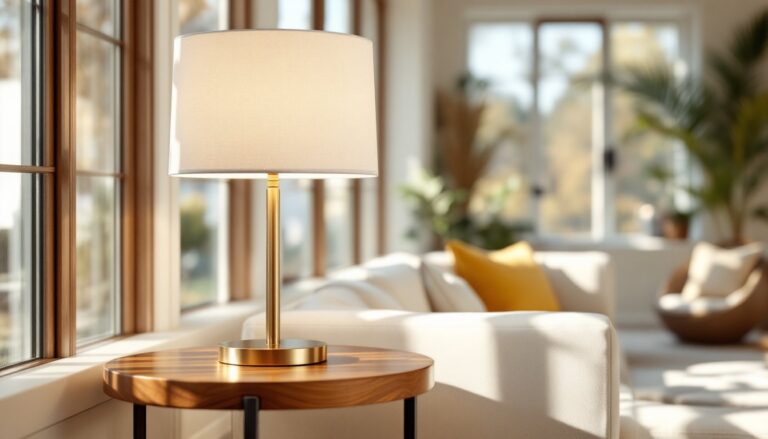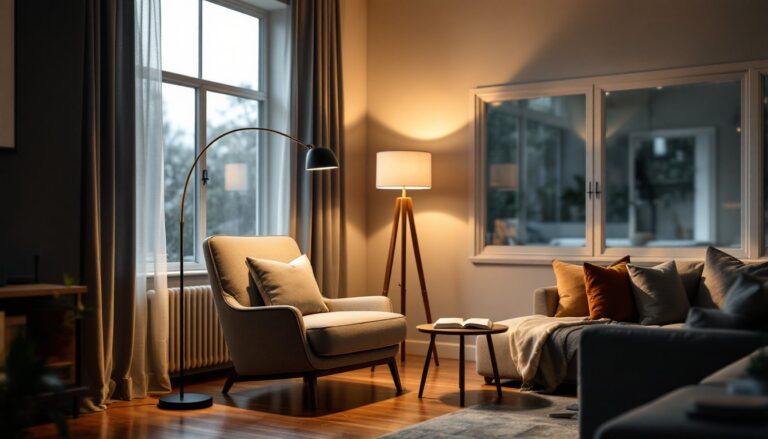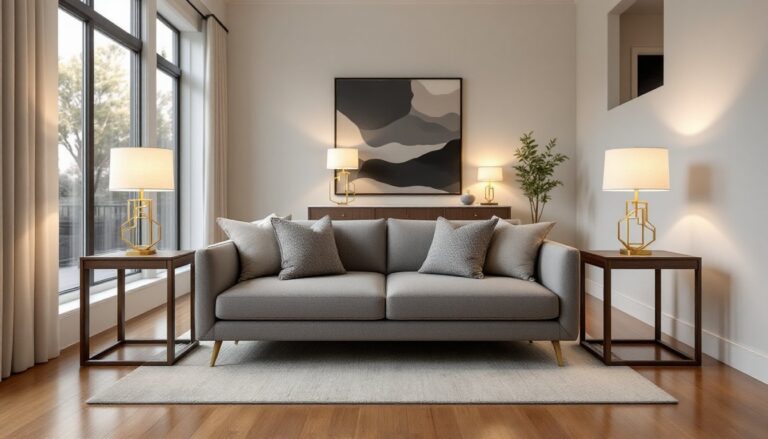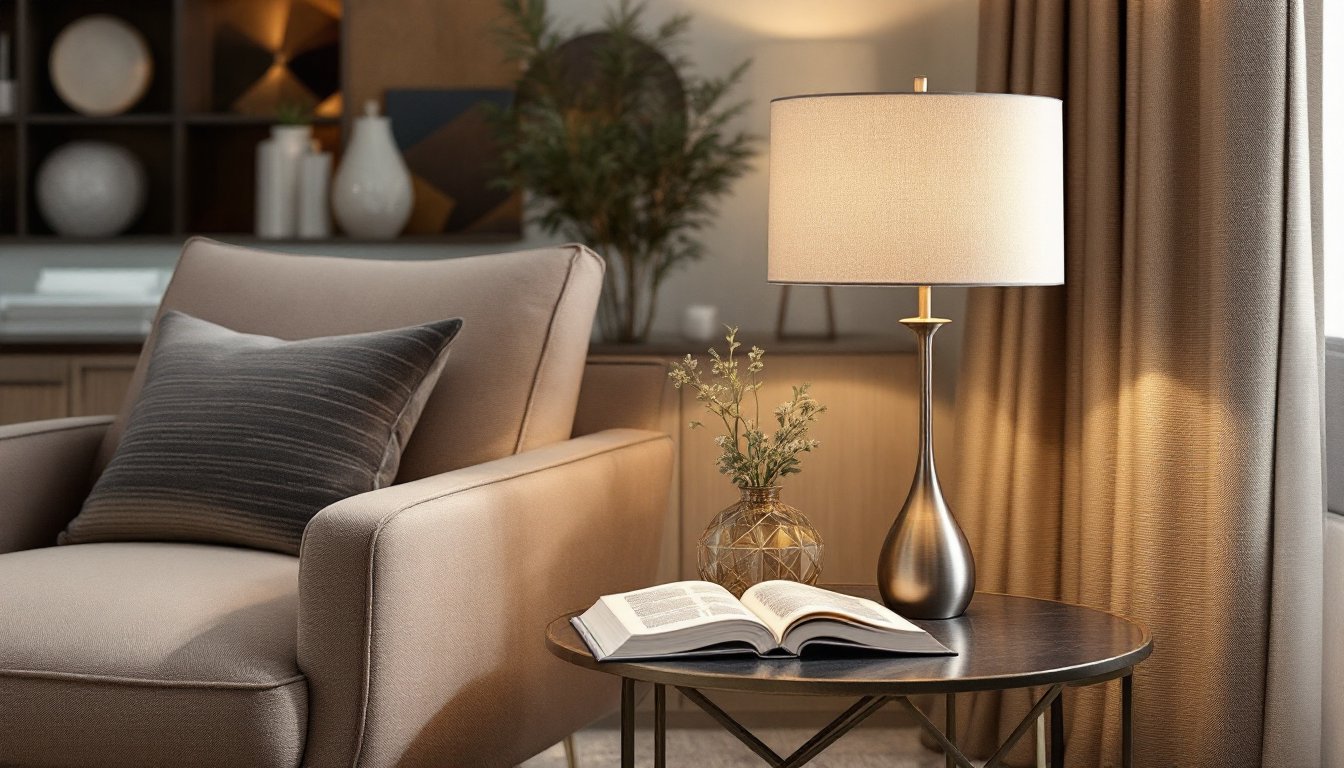
A table lamp does more than illuminate a corner, it shapes how your living room feels. The right lamp on a side table can transform a dim alcove into an inviting reading nook, anchor a conversation area, or add a decorative flourish that ties your whole scheme together. Whether you’re furnishing a new space or refreshing what you have, choosing a table lamp for your living room involves more than picking something that looks nice. You’ll want to consider brightness, style, scale, and placement to get real, lasting value from your investment. This guide walks you through the essentials so you make a confident choice that works as hard as it looks good.
Table of Contents
ToggleKey Takeaways
- A table lamp for your living room should prioritize function first—assess whether the space needs reading light, ambient illumination, or visual interest before choosing a design.
- Brightness matters more than wattage; aim for 450–700 lumens for task reading and 200–300 lumens for background light, and choose dimmable bulbs for maximum flexibility.
- Select a lamp style that echoes your room’s existing aesthetic, whether modern with clean lines or traditional with classic details, ensuring visual cohesion with your furniture and finishes.
- Stability and placement are critical: choose a base weighing at least 2–3 pounds, position the shade at shoulder height when seated, and match the lamp’s height to one-third or one-half of your side table’s height.
- Practical specs like cord length, switch type, and bulb compatibility determine daily usability—prefer longer-lasting pull-chain or rotary switches over touch-activated options, and confirm standard E26 socket compatibility for modern LED bulbs.
Understanding Your Living Room Lighting Needs
Before you fall in love with a lamp’s design, step back and think about what that corner actually needs. Is it a reading zone, a side table next to seating, or purely decorative? The function drives the form.
Start by assessing your current lighting. Most living rooms rely too heavily on ceiling fixtures, leaving corners and seating areas dim. A well-placed table lamp fills those gaps and lets you create zones of light rather than one harsh overhead wash. If you already have recessed or pendant lighting, a table lamp adds warmth and flexibility, you can turn it on independently, dim it for movie nights, or keep it off during day hours.
Consider the bulb’s brightness measured in lumens, not just watts. A 60-watt incandescent bulb puts out roughly 800 lumens, but modern LED bulbs deliver similar light at 8–10 watts. For reading or detailed tasks, aim for 450–700 lumens. For ambient background light, 200–300 lumens usually suffices. If your side table will hold a lamp near seating, brightness matters, you don’t want glare in someone’s eyes, but you do want enough light to read by. An adjustable brightness feature (via a dimmer socket or smart bulb) gives you the most flexibility without committing to one fixed level. Many homeowners pair a table lamp for their bedroom with softer, adjustable options, and the same principle works for living room comfort zones.
Key Styles and Designs That Match Your Décor
Your lamp should whisper “yes” to your room’s overall aesthetic, not shout over it. A lamp on a side table becomes part of the visual balance, so style consistency matters.
Modern and Contemporary Aesthetics
Modern and contemporary design favors clean lines, minimal ornamentation, and often metal or glass bases. A lamp table modern style typically features a sleek column base in brushed nickel, matte black, or chrome, paired with a simple drum or cylindrical shade in white, gray, or a neutral tone. These work beautifully in rooms with geometric furniture, light wood, or industrial accents. Look for bases with a single, uninterrupted form rather than ornate curves. Concrete, ceramic, or sculptural bases fit here too, especially if they echo materials elsewhere in the room. The shade should be proportional, not oversized, not dwarfed, and positioned to direct light downward or evenly outward without casting harsh shadows. LED bulbs pair well with modern fixtures since they run cool and fit neatly into compact housings.
Traditional and Transitional Options
Traditional lamps feature turned wooden bases, fabric shades with pleats or trim, and often brass or bronze accents. These work in rooms with classic furniture, area rugs, and warm wood tones. A transitional lamp table bedroom setup (which translates easily to living rooms) blends traditional form with modern simplicity, think a simple ceramic or wood base with minimal detail, paired with a classic shade but in a neutral color rather than floral patterns. Transitional pieces bridge the gap between ornate heritage styles and minimalist modernity, so they’re forgiving if your room mixes vintage and contemporary pieces. Pay attention to the lamp’s height relative to your furniture. A lamp beside a low sofa or club chair should position the bulb at eye level when you’re seated, roughly 40–42 inches from the floor to the center of the shade.
Essential Features and Specifications to Consider
Beyond style, a handful of specs will determine whether your lamp actually works in daily use.
Base weight and stability: A heavier base resists tipping if someone brushes past it or if you have pets or children. Aim for at least 2–3 pounds for a table lamp on a typical console or side table. Wider bases are more stable than narrow ones, a good rule of thumb is that the base diameter should be at least one-third the lamp’s total height.
Shade material and finish: Linen, cotton, and blended fabrics diffuse light evenly and feel timeless. Silk shades are luxurious but dust easily. Metal shades direct light more intensely: use these if you need focused task lighting. The shade’s interior finish matters too, a white or cream lining reflects light outward, while dark linings absorb it. For lamps on a side table in a bedroom or quiet living room corner, a lighter shade interior keeps the space feeling open.
Cord length and switch placement: Most table lamps come with 6-foot cords, which work for outlets nearby. If your outlet is farther away, consider a lamp with a longer cord or plan for an extension (though this adds visual clutter). Three-way switches let you select low, medium, or high brightness using the same bulb, incredibly useful for flexibility. Touch-activated bases are convenient but can wear out over time: traditional pull-chain or rotary switches tend to last longer.
Bulb compatibility: Check whether the lamp’s socket accepts standard A19 bulbs, vintage-style Edison bulbs, or specialized fittings. Most modern lamps take standard bulbs, but some designer fixtures require specific shapes. Smart bulbs (which let you control brightness and color via an app) fit standard E26 sockets, so confirm your lamp uses this common standard. Modern LED options now include dimmable bulbs that work smoothly with old-style dimmers, unlike early LEDs that flickered.
Placement and Sizing Tips for Maximum Impact
A beautiful lamp in the wrong spot wastes its potential. Smart placement maximizes both function and visual impact.
For a lamp on a side table next to seating, position it so the shade top is at shoulder height when you’re seated. This prevents glare and ensures light spills naturally across your lap or onto a book. A console table behind a sofa works well too, the lamp lights the space behind seating and adds visual interest to that often-ignored zone. If you’re placing a lamp in a corner, use it to “activate” dead space and make the room feel cozier. Pair it with a small side table, an armchair, or floating shelves to create an intentional vignette rather than just a lamp sitting alone.
Scale matters as much as placement. A petite 18-inch lamp looks lost on a large console table: aim for proportions where the lamp height is roughly one-third to one-half the table’s height. On a 30-inch-high side table, a 20–24 inch lamp (measured base to top of shade) looks balanced. Conversely, a towering 36-inch lamp on a small 24-inch accent table will dominate and destabilize the arrangement.
Color and material repetition tie a lamp visually into your room. If your seating has brass feet, a brass lamp base reinforces that theme. If you have gray upholstery, a gray or neutral shade echoes it without feeling matchy-matchy. Modern lamps table bedroom setups often work in living rooms too, the principle is the same. Look at what’s already in your room, then choose a lamp that speaks the same design language. You don’t need an exact match, just a clear visual conversation between the lamp and its surroundings.
For more inspiration on complementary lighting, modern dining room table lighting ideas show how thoughtful fixture choices anchor a room. Similarly, understanding living room overhead lighting helps you layer light strategically. If you’re also refreshing adjacent spaces, modern farmhouse dining room lighting offers crossover ideas if your style leans rustic or eclectic. For broader lighting strategy, LED living room lighting digs deeper into energy-efficient options that pair beautifully with table lamps. A glass coffee table pairs nicely with a lamp on a nearby side table to create a cohesive reading or conversation corner. Finally, the best lighting for your living room covers the full spectrum of fixtures to help you think about your lamp as part of a larger scheme.
Conclusion
Choosing a table lamp for your living room is a practical decision wrapped in aesthetic pleasure. The right lamp illuminates a corner, supports a functional zone, and adds visual polish without fuss. By understanding your lighting needs, matching your décor style, checking the specs, and placing it thoughtfully, you’ll end up with a fixture that earns its place on your side table day after day. Start with function, what does that corner need?, then let style follow. A lamp that works and looks right makes the entire room feel more intentional and complete.