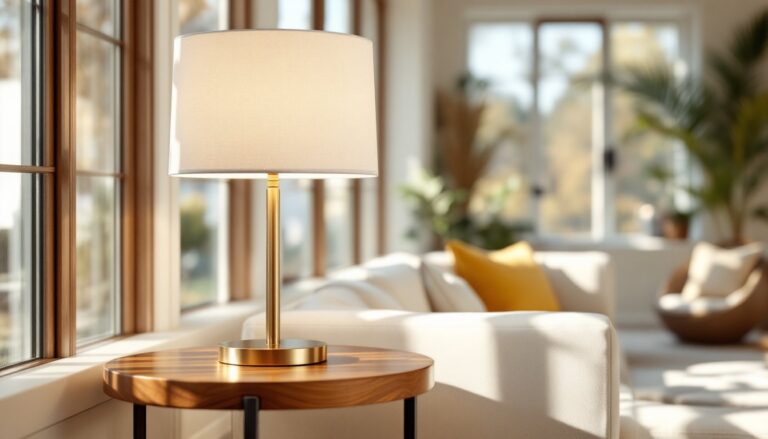
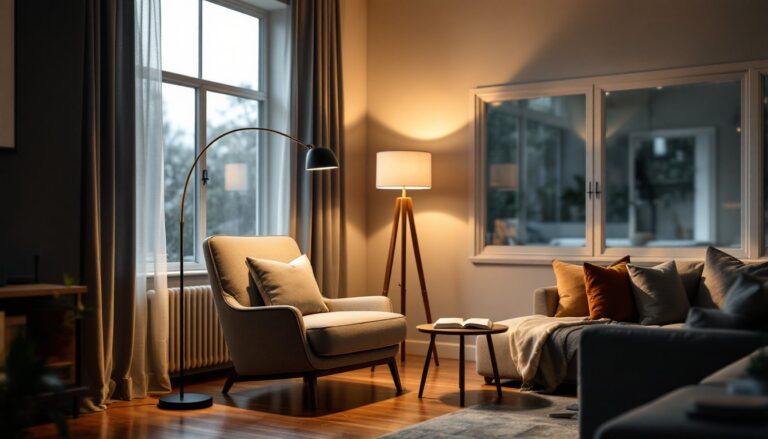
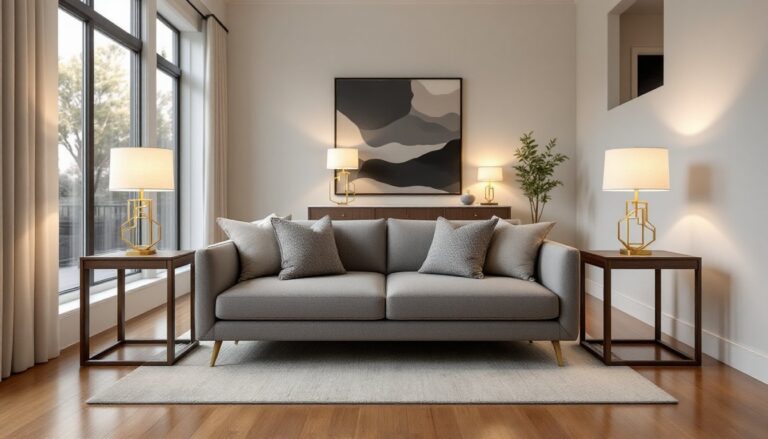
Your bedroom should be a sanctuary from the day’s chaos, but harsh overhead fixtures and poor lighting design can undermine that goal. Bedroom table lamps are where smart lighting strategy begins, they’re the difference between a harsh, uninviting space and a warm retreat where you actually want to wind down. Whether you’re reading before bed, checking your phone, or simply enjoying a quiet evening, the right table lamp delivers both function and ambiance. This guide walks you through selecting and positioning bedroom table lamps that work for your lifestyle, nightstand size, and design preferences.
Table of Contents
ToggleKey Takeaways
- Bedroom table lamps serve multiple essential functions—providing task lighting for reading, creating soft ambiance, and enabling convenient bedside control without disturbing a sleeping partner.
- Proper lamp height should position the bottom of the shade at eye level when sitting in bed (typically 20-24 inches above the mattress) to prevent glare and ensure effective light delivery.
- Choose lamps based on your actual bedroom use: task-focused reading lamps for frequent readers, mood-focused ambient lamps for relaxation, or versatile dimmable options that handle both roles.
- Warm color temperature bulbs rated 2700K or lower mimic sunset and support your circadian rhythm, while cooler white light (4000K+) should be avoided in bedrooms.
- A well-selected bedroom table lamp anchors your space’s visual design and transforms it from harsh or uninviting into a cozy retreat that matches your furniture style and décor.
- LED bulbs are the practical standard for bedroom table lamps, offering 15,000+ hour lifespan, lower energy costs, and dimmable options that eliminate frequent replacements and reduce monthly utility bills.
Why Bedroom Table Lamps Matter More Than You Think
Most people underestimate how much a single lamp shapes the bedroom experience. Table lamps serve multiple roles simultaneously: they provide task lighting for reading without turning on the overhead fixture, create a softer ambiance than ceiling lights, and offer convenient bedside control so you don’t have to fumble across the room at night.
For partners with different sleep schedules, a directed table lamp on one side of the bed lets one person read while the other sleeps, no harsh overhead illumination disturbing the room. That’s not a luxury feature: it’s practical cohabitation. LED bulbs in modern lamps also keep energy costs down and eliminate frequent bulb replacements, which matters when you’re using the lamp nightly.
Beyond function, table lamps anchor the visual design of your bedroom. A mismatched or undersized lamp looks like an afterthought, while a well-chosen lamp that suits your nightstand and decor makes the entire space feel intentional. When bedroom lighting transforms a space into a cozy retreat, table lamps are doing most of the heavy lifting.
Types Of Table Lamps For Bedroom Spaces
Bedroom table lamps fall into a few practical categories based on how they perform.
Reading and task lamps provide focused, bright light for books or work. These often have tighter, more directional shades and may feature adjustable heads or arms so you can angle light exactly where it lands on the page. They’re essential if you spend 15+ minutes reading in bed most nights.
Mood and ambient lamps prioritize softness over brightness. These use diffused shades and lower wattage to create a relaxing glow, perfect for winding down or using as a gentle nightlight. They typically aren’t bright enough for serious reading but excel at creating atmosphere.
Multifunctional lamps blur the line between both roles. Many come with dimmable LED bulbs, allowing a single lamp to work as bright task lighting for reading and low-level ambient light for evening relaxation. This versatility makes them popular for bedrooms where space or budget is limited.
Your choice depends on how you actually use your bedroom. If you read in bed regularly, lean toward task capability. If your nightstand is more for setting down water and your phone, a softer ambient lamp often works better.
Traditional And Transitional Styles
Traditional bedroom table lamps feature ornate bases, classic materials like ceramic or brass, and fabric shades in neutral tones. They work especially well in bedrooms with furniture that has detail and warmth, think wood dressers or upholstered headboards. Placing matching traditional lamps on both sides of the bed creates visual symmetry and a formal, grounded look.
Transitional styles split the difference: they retain the proportions and materials of traditional lamps but simplify the details and lines. A transitional lamp might have a ceramic base with a clean silhouette and a linen shade without heavy trim. This hybrid approach is forgiving because it pairs comfortably with both older and newer furniture. If your bedroom mixes vintage finds with modern pieces, transitional lamps bridge that gap without clashing.
Modern And Contemporary Designs
Contemporary table lamps embrace minimalism. Expect clean-lined bases in metal, glass, or sleek techno-polymers, often in black, white, or brushed finishes. Shades tend to be simple cylinders or geometric shapes, sometimes omitted entirely in favor of bare bulbs for a design-forward look.
Many modern lamps include features like touch dimmers, USB charging ports, or integrated LED arrays that control color temperature. These aren’t gimmicks, they solve real problems. A touch dimmer means you can adjust light without reaching for a traditional switch, and bedside lamps with flexibility help you dial in exactly the brightness you need. Modern designs work best in bedrooms with minimal decor, clean lines, and contemporary furniture.
How To Choose The Right Lamp For Your Nightstand
Start by defining your primary purpose. Will you read in bed most nights, or is the lamp mainly for mood and nighttime navigation? Reading demands usable, directed light with minimal glare, while mood lighting prioritizes warmth and diffusion. Be honest: if you tell yourself you’ll read daily but you actually just scroll your phone, don’t buy a task lamp.
Next, measure your nightstand. A small nightstand (under 20 inches wide) needs a compact lamp, something with a narrow footprint and modest height. Cramming a large lamp on a tiny table creates visual clutter and makes the space feel cramped. Larger nightstands (24+ inches) can accommodate taller lamps or more visually substantial bases without looking overwhelmed.
Consider the style of your bedroom furniture and decor. Your lamp doesn’t have to match exactly, but it should feel like it belongs in the room. A sleek modern lamp looks out of place in a rustic farmhouse bedroom, and vice versa. Budget matters too: quality table lamps range from $40 to $300+. Set a realistic range before shopping, you’ll narrow choices faster.
Size, Height, And Proportion Considerations
Lamp height is critical for both comfort and light delivery. The bottom of the shade should sit roughly at eye level when you’re sitting upright in bed, typically 20 to 24 inches above the mattress surface. This height ensures light reaches your book or work without shining directly into your eyes, which causes strain and glare.
Measure your mattress height from the floor to the top of your pillows, then add that to your nightstand height. If your mattress sits 28 inches high and your nightstand is 24 inches tall, aim for a lamp roughly 16 to 20 inches tall (base to shade bottom). Math matters here: buying without measuring leads to shade glare or inadequate light reach.
For visual balance, matching lamps on both sides of the bed create a polished look, but it’s not required if your bedside arrangement is asymmetrical. If you have only one nightstand or an uneven setup, a single well-chosen lamp still works, just make sure its scale suits the nightstand and the overall bedroom proportions. A tiny lamp on a large nightstand reads as insufficient: an oversized lamp on a small table feels top-heavy.
Lighting Features That Enhance Bedroom Comfort
Warm color temperature is foundational. Aim for bulbs rated 2700K or warmer (sometimes called “soft white”), this color mimics sunset and doesn’t trick your brain into thinking it’s daytime. Cooler white light (4000K+) is stimulating and belongs in kitchens or offices, not bedrooms. Your circadian rhythm will thank you for the warm tone.
Shade material and design directly control glare. Frosted glass, linen, or paper shades diffuse light evenly and reduce harsh shadows. Avoid shiny or reflective shade materials in the bedroom, they bounce light directly into your eyes, defeating the purpose of a soft lamp. Fabric shades also warm the light naturally, adding to that cozy feel.
Dimming capability is a game-changer. A dimmable LED lamp (or a lamp with a 3-way bulb) lets you adjust brightness from reading-level intensity down to a gentle glow. This single feature makes one lamp serve both practical and relaxation roles. Many newer lamps include built-in dimmers or work with smart bulbs you can control via phone, useful if reaching a traditional switch is awkward.
Adjustability, whether a flexible neck, articulating arm, or rotating head, helps you direct light where needed without repositioning the entire lamp. This feature is especially valuable for reading, as you can angle light away from your partner’s side of the bed. When exploring dining room table lighting styles, adjustability is equally prized for directing attention and reducing glare.
Energy-efficient LED bulbs are the practical standard now. They’re cooler to the touch, last 15,000+ hours (meaning you replace them roughly every 10 years instead of annually), and cost less to run. If you’re using a lamp 2-3 hours daily, LED payback is rapid. Modern LEDs also come in dimmable and multicolor-temperature options, giving you flexibility without buying new fixtures.