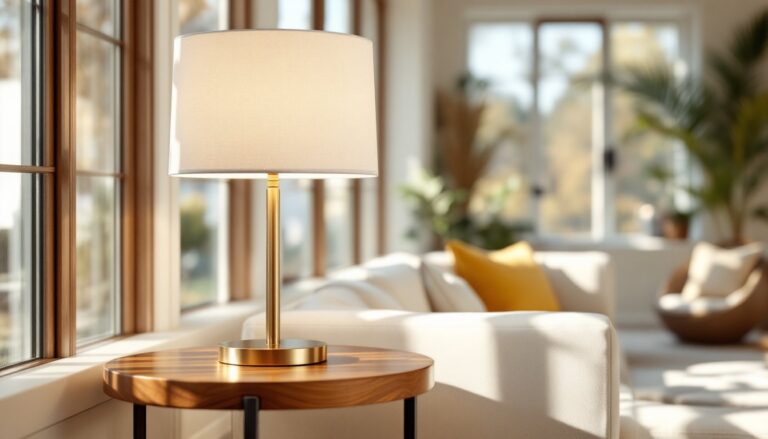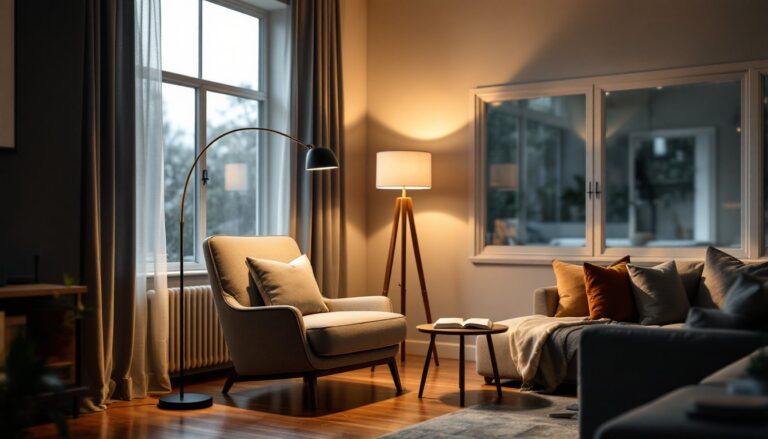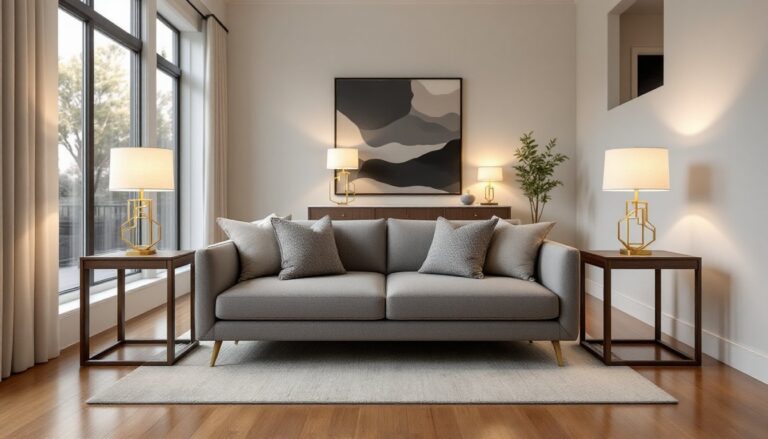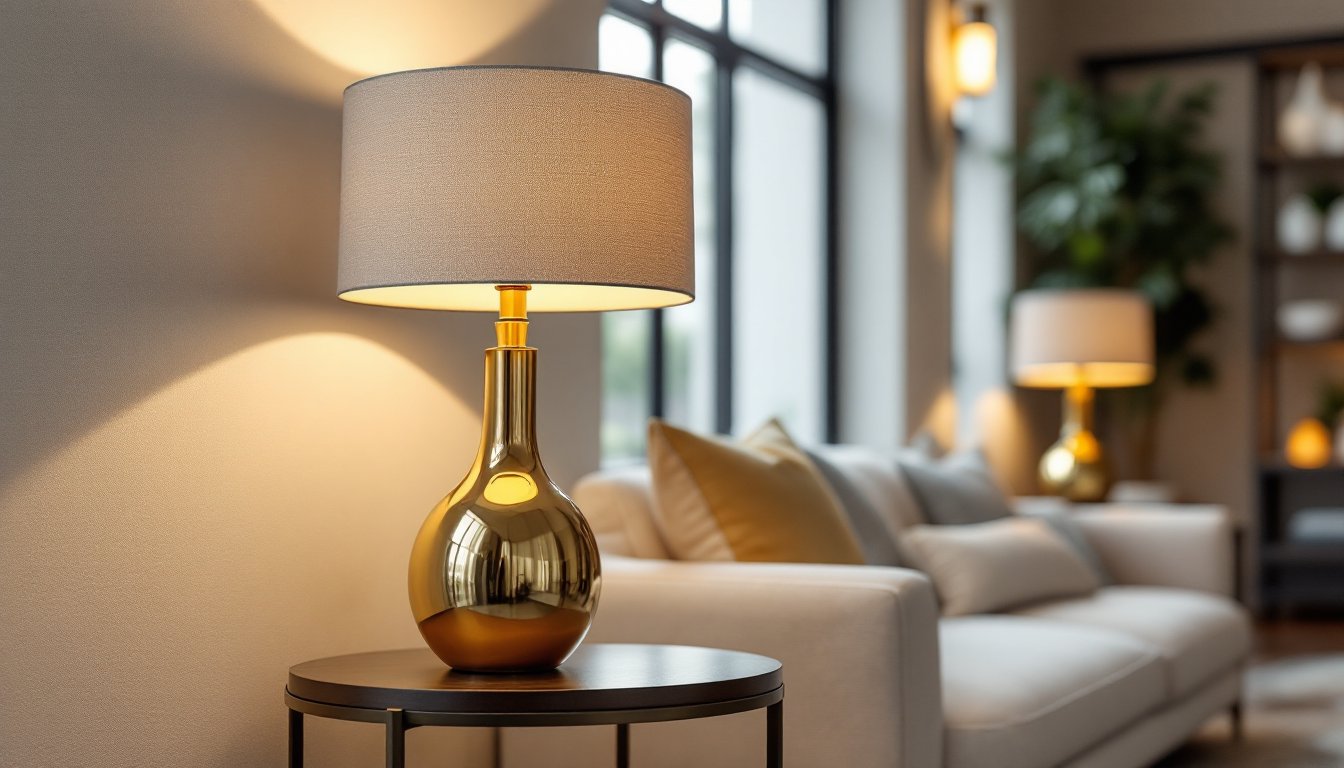
Table lamps for living room spaces have evolved far beyond simple bedside companions. Today’s living room lamps serve as both functional light sources and intentional design elements that anchor a seating area, define a mood, and bridge the gap between overhead fixtures and ambient comfort. Whether you’re furnishing a new home or refreshing an existing layout, selecting the right table lights for your living room requires balancing practical considerations, brightness levels, bulb type, physical dimensions, with aesthetic choices that reflect your personal style. This guide walks you through everything you need to know to make an well-informed choice, from understanding lamp basics to finding the best option for your budget and space.
Table of Contents
ToggleKey Takeaways
- Table lamps for living room spaces serve triple duty as task lighting, ambient lighting, and decorative statements that create pools of illumination at eye level for comfortable conversations and activities.
- Proper sizing positions the bottom of the lamp shade at eye level when seated (typically 40–42 inches from the floor) and uses a base roughly one-third the width of your side table to maintain visual balance.
- LED bulbs are the practical choice for table lamps, offering energy efficiency, cool operation, and 25,000+ hour lifespans, costing just $3–5 annually to operate compared to $15–20 for incandescent alternatives.
- Warm white color temperature (2700K) is ideal for living room lamps, creating an inviting atmosphere that complements skin tones during conversation without the clinical feel of cool white lighting.
- Layering at least two strategically positioned table lamps with overhead fixtures creates depth and flexibility, allowing you to adjust ambiance and avoid shadows on faces during evening hours.
- A balanced budget approach invests 60% in one or two quality statement lamps you genuinely love, then supplements with budget-friendly task lights, with maintenance like monthly shade dusting and annual cord inspections extending lamp lifespan significantly.
Understanding Table Lamp Basics and Why They Matter in Living Room Design
Table lamps are the workhorses of layered lighting. They sit on side tables, console tables, and entryway surfaces, filling gaps that overhead fixtures alone can’t address. Unlike ceiling lights that cast light downward in broad strokes, table lamps create pools of illumination at eye level, making conversations feel warmer and activities like reading far more comfortable.
A good table lamp accomplishes three things at once: it provides task lighting for specific activities, contributes to ambient lighting that softens the room’s overall feel, and works as a decorative statement. This triple duty is why living room lamps deserve careful selection rather than an afterthought purchase.
When evaluating table lamps for living room use, you’re typically looking at one of three light sources. LED bulbs dominate modern setups, they’re energy-efficient, run cool, and last 25,000+ hours. Incandescent bulbs deliver warm, flattering light but consume more energy and require more frequent replacement. Halogen bulbs sit in the middle, offering bright, crisp light without LED’s cool tone, though they generate heat. For most homeowners, LED is the practical choice, especially if your lamps will run several hours daily.
Key Styles and Designs That Complement Modern Living Rooms
Living room lamps come in enough styles to suit any décor direction. Arc lamps curve over seating areas, providing overhead-adjacent light without ceiling installation, they’re statement pieces that work especially well behind sofas. Tripod lamps feel modern and airy, scaling well in smaller rooms where visual bulk matters. Urn-shaped and classical bases suit traditional and transitional living rooms, offering timeless appeal paired with modern shades.
Shade material also shapes function and feel. Linen shades diffuse light softly and feel casual: pleated shades add formality: colored or patterned shades inject personality but reduce light output. Shade-free Edison-style bulbs work in industrial or minimalist spaces but aren’t ideal for task lighting near seating.
Color temperature of your bulbs matters just as much as the fixture itself. Warm white (2700K) suits living rooms perfectly, it feels inviting and doesn’t clash with skin tones during conversation. Neutral white (4000K) works if you prefer brighter, more alert lighting. Cool white (5000K+) rarely belongs in living rooms: it feels clinical.
According to interior design experts, proper table lamp placement follows simple rules: position lamps at roughly the same height across a room, and use matching pairs on either side of a sofa for visual balance. This doesn’t mean lamps must be identical, just similar in scale and style.
Practical Considerations for Size, Brightness, and Placement
Sizing a table lamp to your furniture is straightforward but easy to mess up. The bottom of the shade should land roughly at eye level when you’re seated, typically 40–42 inches from the floor for standard seating. A lamp that’s too tall casts light over your head: one that’s too short glares.
For side tables next to seating, the lamp base should be roughly one-third the table’s width. A 24-inch-wide side table pairs well with a lamp base measuring 8–10 inches across. This keeps proportions balanced and prevents top-heavy, tippy-looking setups. Also confirm your table can actually support the lamp’s weight: thin surfaces bend under heavy ceramic or metal bases.
Brightness is measured in lumens, not watts, though salespeople still reference wattage out of habit. A living room lamp typically needs 450–1,000 lumens, depending on whether it’s providing sole task lighting or supplementing other fixtures. If your living room has bright overhead lighting, aim for 450–600 lumens. In dimmer rooms or for primary reading light, go closer to 800–1,000 lumens. Most standard LED bulbs produce 800–1,100 lumens at 9–12 watts.
Placement strategy hinges on your room layout. Position lamps flanking a seating area, on console tables behind furniture, or on accent tables that anchor conversation zones. Layering overhead lights with table lights for living room spaces creates depth and flexibility, you can adjust ambiance by controlling which fixtures run. This is why most interior designers recommend at least two table lamps in a typical living room, positioned to avoid shadows on faces during evening hours.
Budget-Friendly and High-End Options for Every Homeowner
Living room table lamps range from $30 big-box basics to $500+ designer statements. Your budget doesn’t dictate quality, smart shopping does.
Under $100: Budget brands offer decent styles and reliable function. The trade-off is usually lighter materials (thinner ceramic, hollow bases) and simpler electrical components. These lamps work fine for occasional use or rental situations. For everyday living rooms where lamps run nightly, expect to replace them in 5–7 years.
$100–$250: This is where value starts appearing. Mid-range manufacturers use heavier ceramics, solid wood bases, and better wiring. Styles become more intentional and diverse. Lamps in this bracket typically last 10+ years with normal use.
$250+: High-end lamps feature solid brass bases, premium glass, custom hand-blown shades, and superior electrical systems. Designer lamps from established makers offer both craftsmanship and resale potential. They’re investments, not throwaway items.
A practical approach for most homeowners: invest 60% of your lamp budget in one or two statement lamps you genuinely love, then use budget-friendly matching pieces as supplementary task lights. This balanced strategy feels intentional without overextending your budget.
When browsing options, consider that LED living room lighting has transformed how homeowners approach illumination, making energy efficiency a feature rather than a luxury. Compare total operating costs, not just purchase price. A $150 LED lamp running 4 hours daily costs roughly $3–5 annually in electricity: a budget incandescent lamp at half the price costs $15–20 yearly.
Maintenance Tips and Making Your Investment Last
Most lamp failures stem from dust buildup and loose connections, not from the fixture itself. Here’s how to keep your lamps running smoothly.
Cleaning: Dust shades monthly using a soft-bristle brush or lint roller to prevent dirt from baking onto fabric. For ceramic or glass bases, a damp microfiber cloth works: avoid harsh cleaners that can strip finishes. Unplug lamps before cleaning electrical components.
Bulb care: When switching bulbs, confirm wattage ratings, most lamps have labels near the socket. LED bulbs are durable, but avoid frequent on/off cycling, which shortens lifespan even for LEDs. Don’t exceed the lamp’s rated wattage: excess heat damages sockets and wiring.
Cord and connections: Check power cords annually for cracks or fraying, especially where the cord enters the base. Damaged cords are fire hazards, replace them rather than wrapping with tape. Tighten any wobbly bases by checking the base-to-pole connection underneath: a single loose bolt often fixes the issue.
Shade replacement: Quality shades cost $30–80 and breathe new life into aging lamps. Swapping shades is also an easy seasonal refresh, warm fabrics for winter, lighter ones for summer. Many lamp retailers offer shade-only purchases in standard sizes.
One final thought: when selecting table lights for your living room, think long-term. The best lamp isn’t the cheapest or the trendiest, it’s the one you’ll actually maintain, appreciate in five years, and possibly pass along. Quality basics in neutral styles age better than novelty pieces. And remember that coordinating with your broader lighting scheme matters: pair table lamps for living room spaces with your existing overhead fixtures in terms of brightness and color temperature to avoid jarring transitions between lit zones.
Conclusion
Table lamps for living room spaces aren’t luxuries, they’re essential tools for creating a functional, inviting atmosphere. By understanding lamp basics, sizing fixtures to your furniture, and choosing styles that resonate with your aesthetic, you’ll build a layered lighting scheme that adapts to your daily needs and evening moods. Start with one quality lamp, observe how it performs in your space, then expand thoughtfully. The living room lighting investment you make today will shape how you experience your home for years to come.