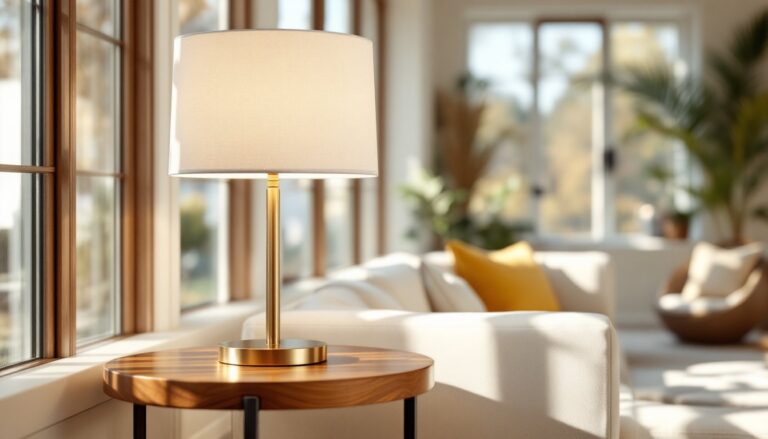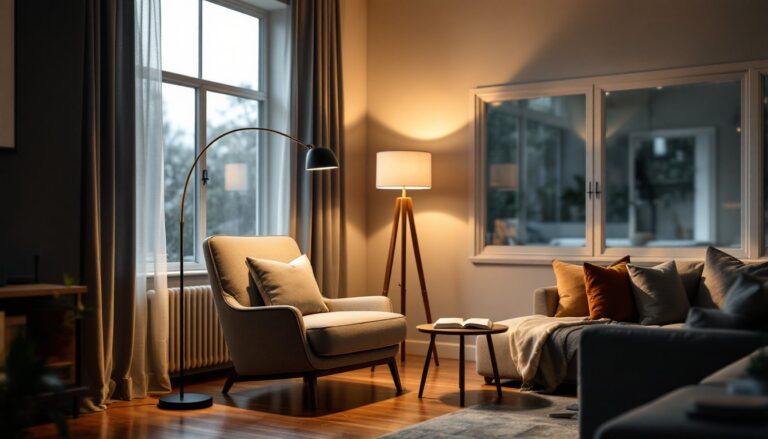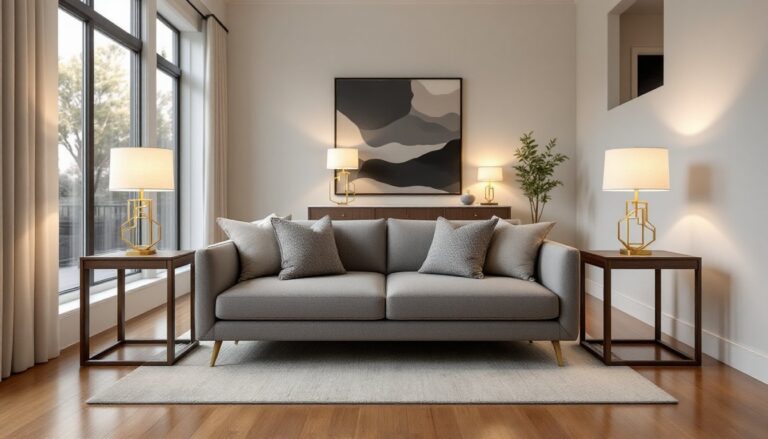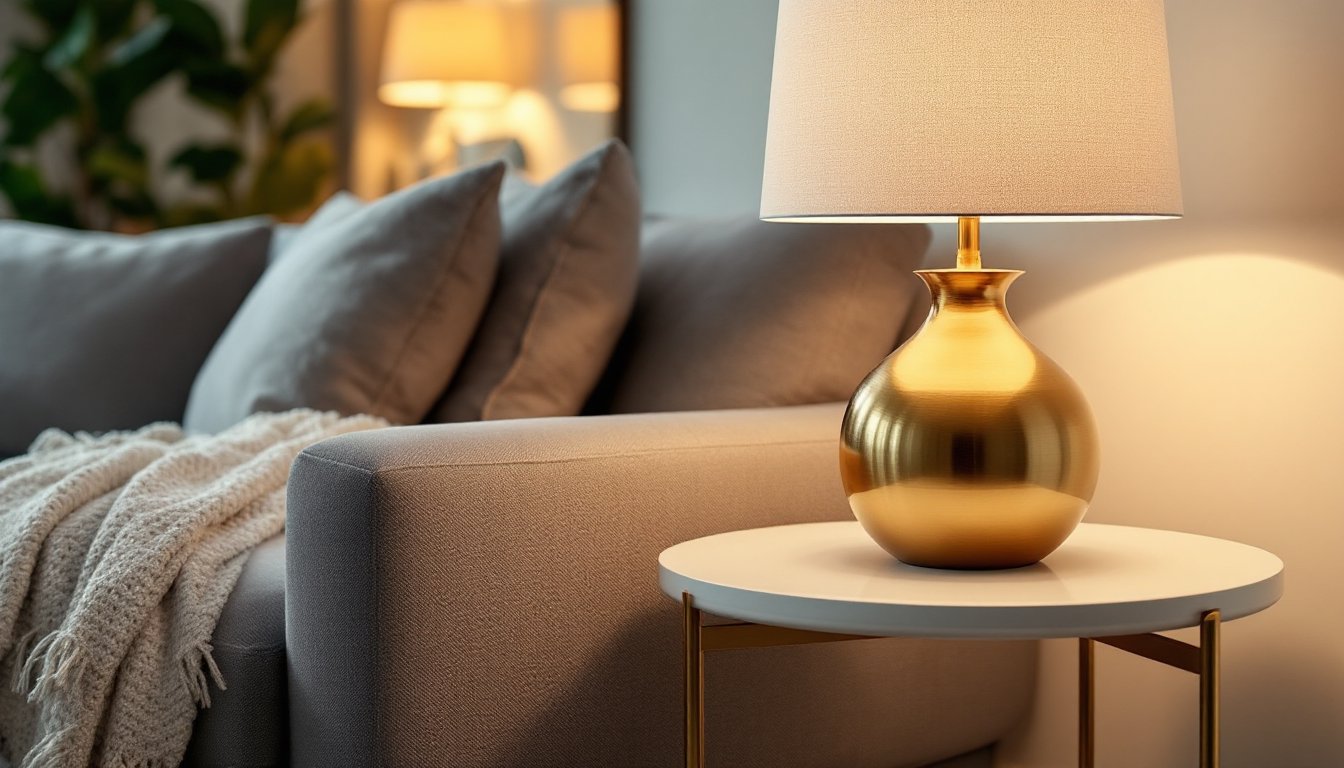
Picking the right lamp for your living room table does more than light a corner, it shapes how the whole room feels. Whether you’re curling up with a book, hosting game night, or just want better ambiance while the sun sets, a good table lamp pulls its weight. The market’s full of choices in 2026, from sleek modern styles to traditional designs, and knowing what separates a workhorse from a dud makes the difference between spending regret and real satisfaction. This guide cuts through the noise and covers what actually matters: the lamp types that work, the features that make them functional, and how to pick one that fits both your space and your style.
Table of Contents
ToggleKey Takeaways
- Lamps for living room tables should match your room’s existing style—traditional, contemporary, or transitional—to create a cohesive, intentional look rather than clashing elements.
- Brightness is measured in lumens, not watts; a typical reading lamp needs 450–900 lumens, and LED bulbs are the best choice, lasting 15,000–25,000 hours while using 75% less energy than incandescent alternatives.
- Proper placement is critical: position your table lamp 16–18 inches from where you’re sitting, keep the lamp shade bottom at eye level when seated, and ensure the lamp height is 12–15 inches above the table surface for comfort.
- Layer your living room lighting by combining your table lamp with overhead and accent lights to create both functionality and warmth, avoiding reliance on a single light source.
- Mid-range table lamps ($80–$200) offer the best value for most households, providing sturdy construction, quality materials, and 5–10 years of durability without premium pricing.
- Consider lamp proportion carefully: match substantial lamps to solid tables and thin lamps to delicate surfaces, and verify bulb compatibility (E26 bases in the US) before purchasing.
Understanding Lamp Types and Styles for Table Settings
Traditional and Contemporary Designs
When you’re shopping for a lamp for your table in the living room, the style choice shapes everything else. Traditional lamps typically feature classic base shapes, think pedestal stands, urn-shaped ceramic bodies, or brass fixtures with fabric shades in neutral tones. They work well in rooms with older furniture or those aiming for a formal, settled feel.
Contemporary lamps strip away excess. You’ll see geometric base shapes, minimalist stands in brushed metal or concrete, and clean-lined shades that lean toward gray, black, or white. A lamp table modern aesthetic values simplicity: thinner profiles, often adjustable arms, and fewer decorative details. These styles work with mid-century modern couches, industrial shelving, or Scandinavian-influenced rooms.
Then there’s the middle ground, transitional lamps blend both sensibilities. They keep proportion and warmth from traditional design but use cleaner lines and neutral materials from the contemporary playbook. If your living room mixes old and new pieces, this is often the sweet spot.
The practical takeaway: your lamp’s style should echo other elements already in the room, if your side table itself leans modern, fight the urge to plop a heavily ornate Traditional lamp on it. Contrast can work, but cohesion usually feels intentional rather than accidental.
Key Features to Consider When Choosing a Table Lamp
Brightness, Bulb Type, and Energy Efficiency
Brightness matters way more than most people realize. A lamp that looks beautiful but casts weak light just frustrates you at lamp-on time. Brightness is measured in lumens, not watts (watts measure power draw). A typical reading lamp needs 450–900 lumens, depending on how close you sit and whether it’s your only light source.
LED bulbs have become the default choice, and for good reason. They last 15,000–25,000 hours (versus 1,000 for old incandescent), use 75% less energy, and come in different color temperatures, warm white (2700K) feels cozy, cool white (4000K) is more neutral, and daylight (5000K) is bright but can feel harsh at night. When shopping, check the bulb type compatibility: most modern lamps accept standard E26 bases (US standard), but always verify before buying.
Energy efficiency cuts your electric bill and reduces heat buildup, which matters in smaller rooms or warm climates. A 60-watt equivalent LED pulls about 9 watts and costs roughly a dollar per year to run 8 hours daily. Over a lamp’s 25,000-hour life, that adds up.
One practical tip: if your lamp shade has a fabric lining, avoid overly bright bulbs that generate heat, they can scorch the lining over time. Stick with lower-wattage LEDs or ensure the shade has proper ventilation at the top. Living room lighting choices, so getting brightness right is worth the small upfront thought.
Matching Lamps to Your Living Room Décor
A lamp on your side table is one of your room’s most visible objects, so it should complement, not clash with, what’s already there. If your sofa is warm gray and your walls are creamy white, a brass-base lamp with a cream or linen shade works naturally. Dark leather seating pairs well with heavier bases in bronze or oil-rubbed bronze and deeper shade colors.
Color coordination isn’t just about the lamp’s material, the shade color does heavy lifting. Light shades (white, cream, beige) brighten the room and feel airy: darker shades (charcoal, navy, taupe) create coziness and drama. A lamp table modern design often pairs with lighter shades to maintain clean lines, while traditional rooms can carry richer tones.
Don’t overlook lamp proportion relative to the table itself. A thick, substantial lamp on a delicate side table looks awkward: a thin lamp on a heavy, solid table disappears. Use the table’s height as your baseline: the lamp’s top (including shade) should be roughly 12–15 inches above the table surface for comfort when sitting.
If your living room mixes styles, say, traditional furniture with contemporary art, choose a lamp that bridges the gap. A lamp with clean, modern lines but in a warm brass or ceramic finish often feels intentional in a mixed room. Interior design sources like MyDomaine emphasize that consistency in material finishes (all warm metals, all cool metals) makes scattered pieces feel curated rather than random.
Placement and Lighting Layout Tips
Where you place the lamp matters as much as which lamp you choose. The standard rule: a table lamp should sit 16–18 inches from where you’re sitting to avoid glare and shadows on reading material. If your chair is 3 feet away from the side table, you’ll need a brighter bulb: if closer, a dimmer one works fine.
Layered lighting is the secret to rooms that feel both functional and warm. Pair your table lamp with an overhead fixture (for general light) and perhaps an accent light (for depth). This layering means you’re not relying solely on one lamp, so you can dim it during movie nights or turn it on high when you need task light. Overhead lighting provides the foundation while table lamps add character.
On a living room layout: if you have a seating area with two chairs facing each other, put a table lamp on each side. If one chair sits in a corner, a single lamp usually suffices. Avoid placing lamps directly behind where you’re sitting: they’ll backlight you and create shadow on reading material.
Height is critical. The bottom of the lamp shade should be roughly at eye level when seated. This prevents glare from looking directly into the bulb and ensures light is directed downward and forward, not up into your eyes. If your side table is lower than typical (a coffee table height), a shorter lamp with a narrower base works better than forcing a standard lamp to squeeze in, proportion looks off and function suffers.
Budget-Friendly and Premium Options
You don’t need to spend $300 to get a solid table lamp. A budget-friendly lamp ($40–$80) from a big-box retailer often includes a sturdy base, decent fabric shade, and an LED bulb. The trade-off: construction may feel lighter, shade materials might be thinner, and finishes won’t last as long under heavy use. These work fine for occasional reading or accent light.
Mid-range options ($80–$200) introduce better construction, heavier bases that feel stable, higher-quality shade fabric (linen, cotton blends), and sometimes adjustable features like dimmer switches. A lamp in this range typically lasts 5–10 years with normal use. This is often the best value for most households.
Premium lamps ($200–$500+) use solid wood or heavy metals, top-grade fabrics, designer finishes, and crafted details. You’re paying for longevity and design, these can last 15+ years and often have heirloom appeal. Brands in this category include high-end furniture makers and lighting specialists.
One reality check: price doesn’t always equal quality. A $120 lamp from a respected lighting maker often outperforms a $180 lamp from a trendy furniture store. Look at reviews for durability complaints, cheap switch mechanisms, flimsy shade supports, and wobbly bases are red flags. LED living room lighting, so you’re mainly choosing materials and design finesse, not raw functionality. For most DIY homeowners, mid-range is where sensibility and satisfaction intersect.