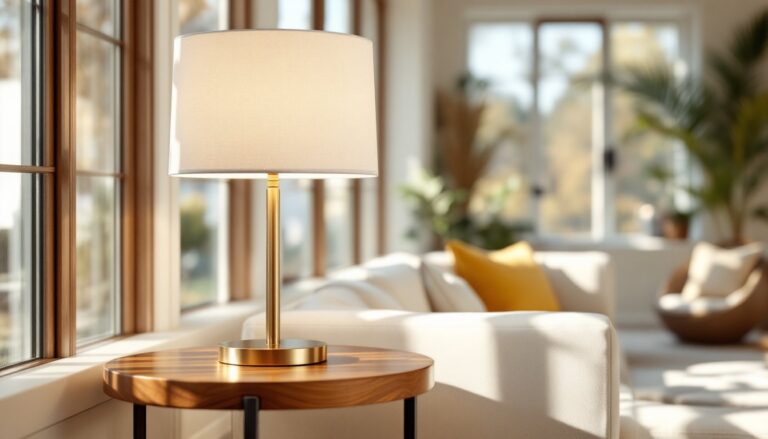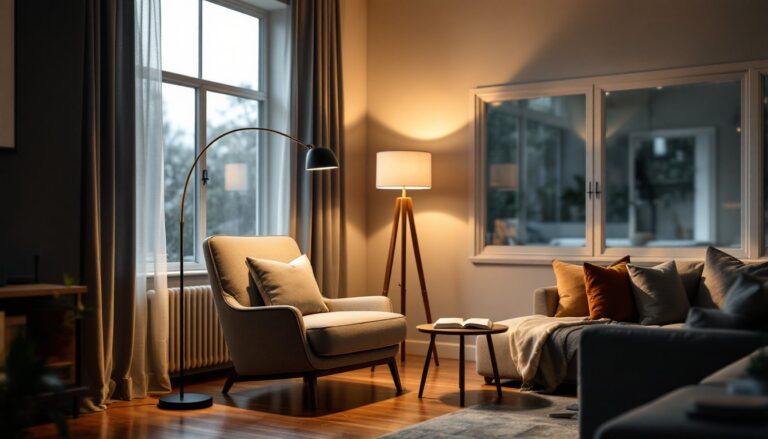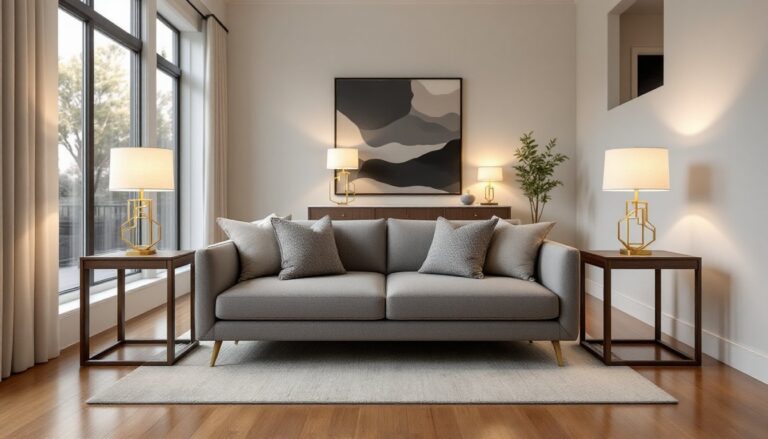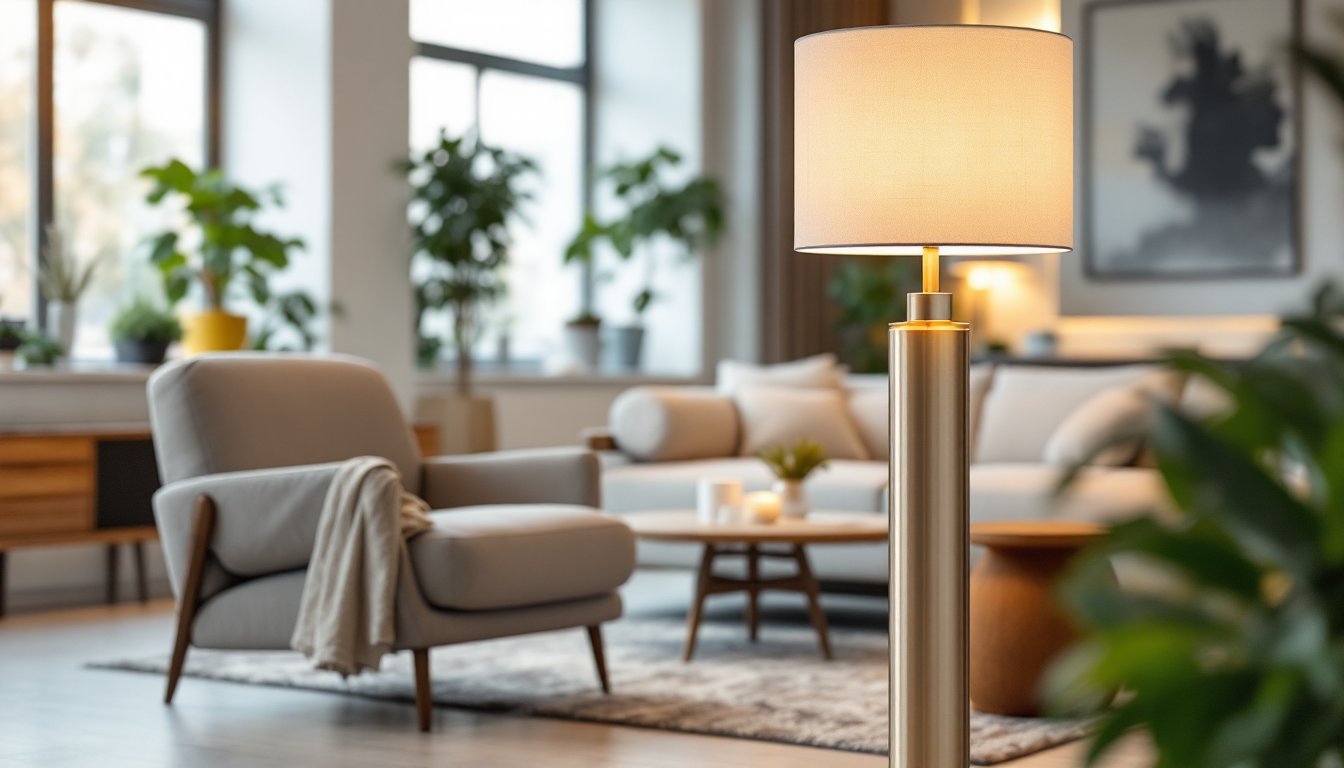
A lounge without proper lighting is like a well-designed room that nobody actually wants to sit in. Floor lamps for lounges do far more than check a functional box, they shape the mood, define the space, and make the difference between a room that feels cold and one that invites you to stay. Whether you’re looking for lamps for the living room floor, considering floor lamps for your drawing room, or outfitting a living room with floor lamps that blend style and substance, the right choice hinges on understanding your space’s needs. This guide walks you through selecting floor lamps that work with your layout, match your aesthetic, and deliver the ambient lighting your lounge actually deserves.
Table of Contents
ToggleKey Takeaways
- Floor lamps for lounge spaces create layered lighting with flexibility that overhead fixtures alone cannot provide, making them essential for defining seating zones and shaping room ambiance.
- Proper height and brightness matter most: position the lamp’s shade 15–20 inches above seated eye level and aim for 800–1,200 lumens with a warm color temperature of 2,700K–3,000K for comfortable lounge lighting.
- Room size determines lamp placement—lounges under 150 square feet need one well-positioned lamp, while larger spaces with multiple seating areas require two or three lamps distributed strategically to minimize shadows.
- Choose floor lamp styles based on your space: arc lamps excel in tight drawing rooms, tripod designs suit modern lounges, pharmacy lamps offer task-focused flexibility, and torchières provide soft ambient light without glare.
- Match lamp materials and shades to your existing décor palette—metal bases work with contemporary finishes, while wood and rattan add warmth to traditional and eclectic spaces.
- Test brightness, measure clearance, and prioritize quality build and accessible switches before purchasing, since the right floor lamp will anchor your lounge for years to come.
Why Floor Lamps Are Essential for Lounge Spaces
Floor lamps solve a problem that overhead fixtures alone can’t: layered lighting. A lounge typically needs ambient light to fill the room, task light for reading or conversation, and accent light to highlight design elements. A single ceiling fixture floods everything evenly and often feels harsh. Floor lamps, by contrast, sit at eye level or slightly below, casting warm light where people actually sit.
They’re flexible, too. You can move a floor lamp from one corner to another, adjust it as your layout changes, or add multiple lamps without rewiring anything. This is especially valuable in rentals or homes where you’re still figuring out what works. A standing lamp also draws the eye upward, making rooms feel taller, a real win in lounges with standard 8-foot ceilings.
Beyond function, floor lamps anchor seating areas and define zones in open-concept spaces. In a drawing room or lounge that doubles as a home office or reading nook, a well-placed floor lamp says “this is where you settle in” without requiring furniture rearrangement.
Key Factors to Consider When Selecting a Floor Lamp
Choosing the right floor lamp means weighing several practical criteria before chasing aesthetics. Get these wrong and you’ll end up with a lamp that looks great but casts shadow on your reading or feels out of proportion in your space.
Height, Brightness, and Room Layout
Standard floor lamps run 58 to 72 inches tall (from floor to top of shade). For lounge seating, sofas, armchairs, accent chairs, you want the base of the shade roughly 15 to 20 inches above seated eye level. This keeps light from blinding you while still illuminating your lap and surroundings. Measure your main seating spots and note eye level when sitting: this is your starting point.
Brightness matters more than wattage alone. Modern LED bulbs deliver 800–1,200 lumens in a 10- to 12-watt form, while older incandescent 60-watt bulbs produced only 800 lumens and generated serious heat. Check the lamp’s lumen rating and color temperature (look for 2,700K to 3,000K for warm, lounge-appropriate light). A dimmer switch, built into the lamp’s base or a plug-in model, gives you control over mood and energy use.
Room dimensions affect lamp placement too. A lounge under 150 square feet works well with one well-positioned floor lamp near the primary seating. Larger lounges, or those with multiple seating zones like a living room with floor lamps and a separate reading area, need two or three lamps spread strategically. Avoid bunching all light in one corner: distribute lamps to minimize shadows and create balanced ambient light.
Style, Materials, and Design Compatibility
Floor lamps come in dozens of styles, arc lamps, tripod stands, torchière designs, pharmacy lamps with swing arms, each with different visual weight and light distribution. An arc lamp, which curves over seating with the bulb positioned above, works brilliantly for reading in a drawing room but can dominate a tight space. A tripod or sleek column lamp occupies less visual real estate and suits modern or transitional lounges.
Materials signal style and durability. Metal bases (brass, matte black, stainless steel) age well and pair easily with other finishes. Natural materials like wood or rattan add warmth and texture, fitting well in relaxed, eclectic spaces. The shade, linen, parchment, fabric, or bare bulb, determines light diffusion and mood. Fabric shades soften light and hide bulbs, while bare-bulb designs or open metal frames create dramatic contrast and suit industrial or contemporary lounges.
Match your existing palette. If your lounge favors warm metals and neutral tones, a style guide from a design-focused resource like MyDomaine can help confirm your choices. Cool tones and sleek finishes suit contemporary spaces: warm brass and textured fabrics complement traditional or mid-century lounges. Don’t just chase trends, a floor lamp is often a multi-year investment, so pick something you’ll genuinely enjoy in your space.
Top Floor Lamp Styles for Modern Lounges
Arc Lamps sweep light over seating without needing a table. They’re ideal for drawing rooms where floor space is tight and you want focused, overhead ambient light. The curve keeps the fixture from dominating the room’s center. Downside: assembly can be fussy, and they require a steady base to avoid tipping.
Tripod Lamps offer a clean, modern silhouette that works in nearly any lounge. Three-legged bases are stable, take up minimal footprint, and come in materials ranging from wood to metal. Pair a tripod with a soft linen shade for understated warmth, or choose an open cage design for industrial edge.
Pharmacy Lamps (also called swing-arm or adjustable floor lamps) provide task-focused light and flexibility. The articulating arm lets you direct light exactly where you need it, perfect if your lounge doubles as a reading or hobby space. They’re especially useful in small apartments or rooms where furniture placement isn’t fixed.
Torchière Lamps direct light upward to bounce off the ceiling, creating diffuse ambient light without glare. They work well in lounges where you want soft, even illumination without visible bulbs. Modern torchières are sleeker than older halogen versions and run cooler with LED technology.
Lantern and Cage Styles deliver statement-making ambient light with industrial or vintage flair. Comprehensive shopping resources like House Beautiful’s floor lamp guide showcase designs across price points and aesthetics, helping you compare finishes, shade options, and real-world sizing. These designs work best in lounges with some decorative boldness already present, they’re not subtle.
Column and Pedestal Lamps provide understated elegance, especially in wood or brushed metal finishes. Slim profiles suit contemporary and minimalist lounges where you don’t want the lamp competing visually with artwork or architectural features. Many include integrated shelves or magazine racks, adding practical storage to small living rooms.
Before purchasing, confirm the lamp’s switch accessibility (some are hard to reach from a seated position), whether it accepts standard bulbs or proprietary ones, and if the shade is replaceable. Brands vary widely in build quality, so read real reviews from people who’ve used lamps in actual lounges, not just product descriptions. For budget-conscious shoppers, apartment-focused resources like Apartment Therapy often feature curated picks across price ranges and include tips for maximizing light in smaller spaces.
Conclusion
Selecting a floor lamp for your lounge boils down to matching brightness and height to your seating layout, picking a style that fits your décor, and committing to a quality build. Take time to measure, visualize the lamp in context, and test how light behaves in your room before deciding. The right floor lamp won’t just illuminate your lounge, it’ll make it a place you actually want to spend time in.