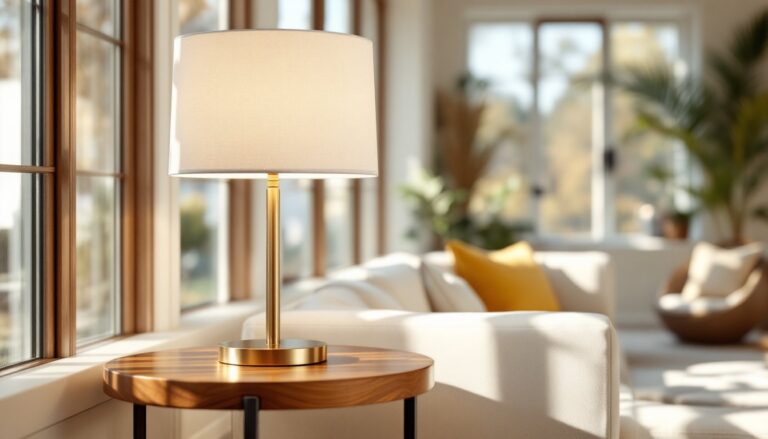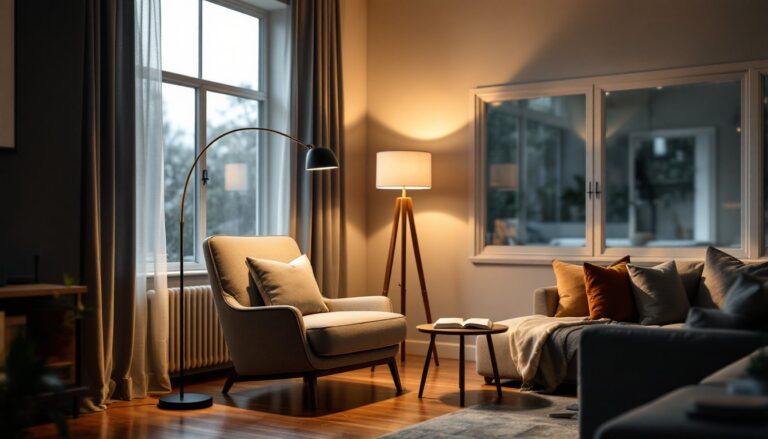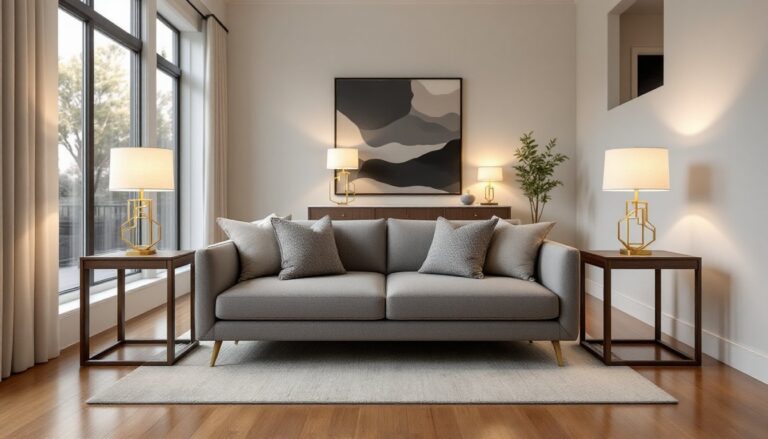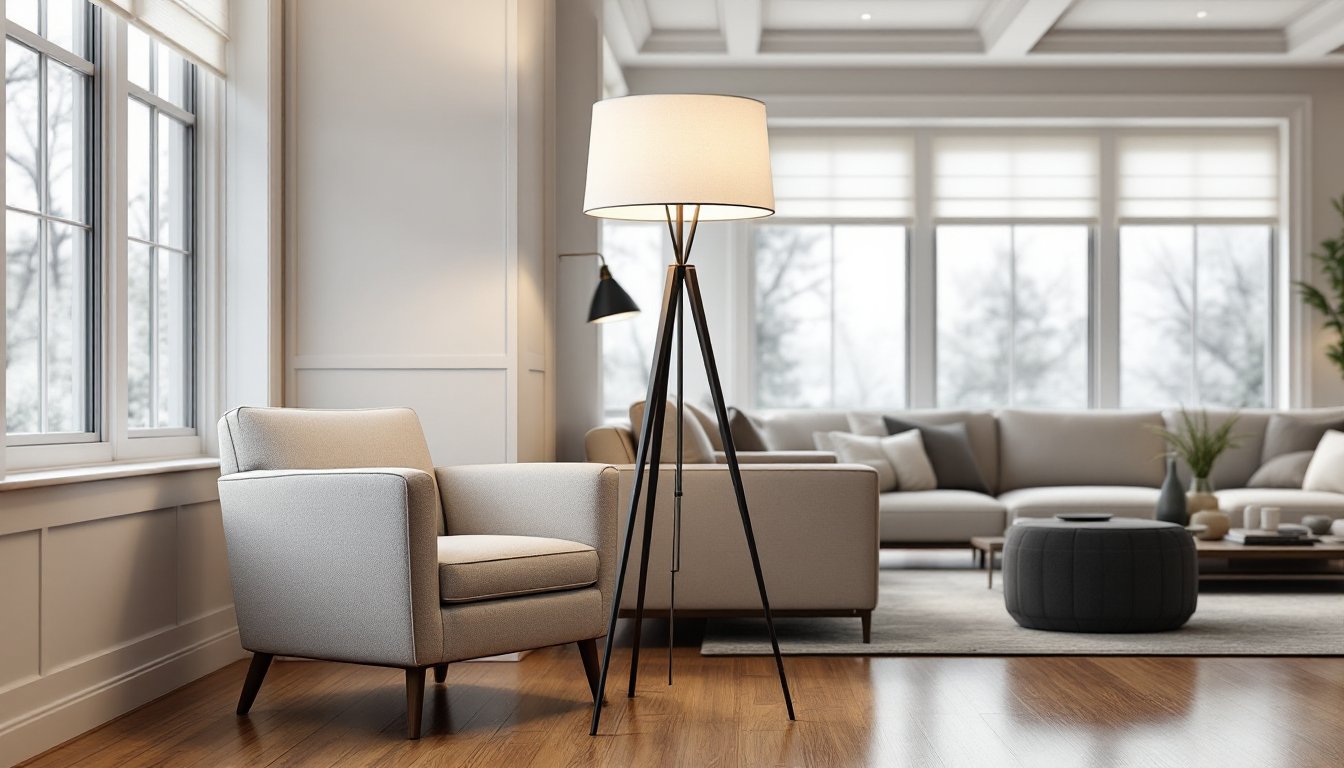
Floor lamps are often overlooked in living room design, yet they’re one of the most functional and flexible lighting solutions a homeowner can add. Unlike ceiling fixtures, floor lamps give you complete control over where light lands, how bright it gets, and what mood you’re creating. Whether you’re reading in a corner, hosting a movie night, or just need better task lighting, the right floor lamp transforms how your living room feels and functions. This guide walks you through selecting, styling, and placing floor lamps that work for both your space and your lifestyle.
Table of Contents
ToggleKey Takeaways
- Floor lamps for living rooms provide flexible, directional lighting control that ceiling fixtures can’t match, making them ideal for reading, task work, and creating customizable moods.
- Choose floor lamp height between 58–72 inches for standard ceilings, and position task lighting 35–40 inches above the floor to avoid glare in your eyes while seated.
- Brightness is measured in lumens, not watts—aim for 450–800 lumens for reading lamps and 300–500 lumens for ambient lighting, remembering that 10-watt LED bulbs deliver roughly the brightness of 100-watt incandescent bulbs.
- Arc lamps, reading lamps, and torchieres each serve different purposes: arc lamps spread light over seating without floor clutter, reading lamps focus task lighting, and torchieres provide soft ambient light.
- Layer multiple floor lamps (task, ambient, and accent lighting) rather than relying on a single fixture to create flexible, shadow-free living room illumination that adapts to different activities.
- Base materials like weighted metal (25–35 pounds) and fabric shade types affect durability and light diffusion, so match finishes to existing décor and choose durable materials that resist dust and wear.
How to Choose the Right Floor Lamp for Your Living Room
Picking a floor lamp isn’t just about grabbing something that looks nice. You need to think about where you’ll use it, how bright you need it, and whether it has to fit a specific corner or wall space.
Considering Size, Height, and Brightness
Floor lamp height matters more than most people realize. Standard floor lamps run between 58 and 72 inches tall, which works for most living rooms with 8- to 9-foot ceilings. If your ceiling is lower, a 58-inch lamp won’t feel cramped: if it’s cathedral-height, you can go taller. Measure from floor to your eye level when seated, most reading lights work best between 35 and 40 inches above the floor, so the lamp’s light doesn’t shine directly at your face.
Brightness is measured in lumens, not watts. A good task lamp for reading needs 450 to 800 lumens: ambient lighting typically uses 300 to 500 lumens. That’s why checking the lumen output matters more than the old wattage rule. If the package only lists watts, remember that modern LED bulbs use roughly one-tenth the watts of incandescent bulbs for the same brightness. A 10-watt LED bulb might deliver 800 lumens.
Floor space is real estate in a living room. Measure the footprint: a standard tripod base takes up roughly 20 to 24 inches in diameter, while arc lamps need a wider swing radius. If you’re tight on space, living room with floor lamps that have a narrow footprint or fit into corner niches save valuable square footage. Width of the shade matters too, a 14-inch shade is typical, but go up to 16 or 18 inches if you want more diffused light spread.
Popular Floor Lamp Styles and Types
Not all floor lamps do the same job. Knowing what each type does helps you avoid buying something that looks great but doesn’t light your space the way you need.
Arc, Reading, Torchiere, and Beyond
Arc lamps stretch a light source over seating without needing floor space directly near the fixture. The arm reaches 60 to 84 inches outward, so you can position the light over a sofa or chair from behind. This works beautifully in smaller living rooms where you can’t fit a lamp next to a chair. The downside: they’re taller and need stable bases, usually 30 to 35 pounds, to avoid tipping.
Reading lamps (often called pharmacy or task lamps) have a narrow shade, focused downlight, and usually an articulating arm so you can angle the light exactly where you need it. They’re excellent for paperwork or hobbies but deliver concentrated light, not ambient glow. Brightness typically ranges from 400 to 1,000 lumens depending on the bulb.
Torchiere lamps point light upward at the ceiling, which bounces it back down as soft, even ambient light. They’re great for general living room illumination but won’t help with reading or close-up tasks. These tend to use more wattage because much of the light bounces away.
Floor lamps for drawing room and formal spaces often feature pedestal bases and fabric shades in neutral tones. These prioritize aesthetics alongside function. Table lamps for living room sizing also applies here, a table lamp might migrate to a console table or sideboard near your sofa, so knowing shade diameter (usually 10 to 14 inches) helps you evaluate proportions.
Hybrid designs combine tasks: a lamp with both downlight and an upward-facing bowl provides both task and ambient light. Many modern lamps offer dimmer-compatible LED bulbs, letting you dial brightness from 10% to 100%, smart for different times of day.
Materials, Finishes, and Design Aesthetics
The materials and finish of a floor lamp set its lifespan, durability, and how it fits your décor. A lamp that clashes with your living room won’t get used, no matter how practical it is.
Base materials determine stability and longevity. Metal (brass, brushed steel, matte black) resists dents and dust better than wood. If you have pets or kids, avoid intricate fabric bases, they’re dust traps. Weighted metal tripod or pedestal bases in the 25 to 35-pound range won’t tip from a bump. Wood bases (walnut, oak) add warmth but need regular dusting: they also absorb moisture in humid climates, which can cause warping over years.
Shade material affects how light diffuses. Fabric shades (linen, cotton) soften light evenly but show dust and need occasional cleaning. Dark fabrics absorb more light, so a darker shade needs a brighter bulb. Paper or parchment shades are lightweight and diffuse light nicely but crease or tear easily and degrade in direct sunlight. Glass or acrylic shades are durable and easy to clean but can create glare if the bulb isn’t fully hidden.
Color and finish should complement your living room. Matte finishes (black, bronze, brass) hide fingerprints and dust: polished metals show every smudge. Neutral finishes, whites, grays, brushed metals, work across décor styles. Bold colors (jewel tones, deep greens) make a statement but can feel dated in five years. If unsure, living room overhead lighting often hints at your room’s color palette: match floor lamp finishes to overhead fixtures or other hardware for cohesion.
Lighting Your Living Room: Practical Applications and Placement
Where you place a floor lamp and how you use it determines whether it becomes essential or just decorative.
For reading and hobbies, position a task lamp on the side table next to your chair or sofa, angled so light falls on your lap or work surface without hitting your eyes. The top of the shade should be roughly at shoulder height when seated. If you don’t have a side table, an arc lamp swinging over from behind seating works equally well, aim the light 12 to 18 inches in front of where you’ll be reading.
For ambient living room lighting, a torchiere or uplighter in a corner fills the space with soft, diffused light. This pairs well with dimmer controls: you can run it at 30% brightness during the day and full brightness in evening. Recent studies show layered lighting approaches combining overhead lights, floor lamps, and table lighting create the most flexible, inviting rooms.
Avoid placing floor lamps directly in traffic paths. If someone could trip over the base or lamp cord, it’s in the wrong spot. Cords should run along walls or behind furniture, not across open floor. If cord placement is awkward, use a cord cover or raceways (plastic or metal channels that mount to the floor).
Layering is key: don’t rely on a single floor lamp for your whole living room. Combine a torchiere for overall glow, a task lamp for reading, and perhaps accent lighting from wall sconces or living room recessed lighting for depth. The best living room lighting feels natural and supports multiple uses without harsh shadows or glare.
For apartment dwellers or renters concerned about permanent changes, floor lamps are ideal because they require no hardwiring or ceiling penetration. Small living room lighting ideas often center on floor lamps for exactly this reason, they’re mobile, flexible, and don’t commit you to a single layout.
Conclusion
The right floor lamp solves real problems in your living room: it lets you read comfortably, adjusts the mood for movies or entertaining, and fits spaces where ceiling fixtures can’t reach. Pay attention to height, brightness in lumens, base stability, and shade material. Choose finishes that match your existing décor, and place lamps where they’ll actually be used, not where they merely look good. Start with one task lamp or arc lamp and layer in additional fixtures as your room evolves. Floor lamps offer flexibility few other lighting solutions can match.