Picking the right living room lamp isn’t as simple as grabbing whatever’s on sale at the home goods store. The wrong choice can leave your space feeling dim and unwelcoming, or worse, create harsh shadows that make reading or watching TV uncomfortable. A good living room lamp does double duty: it provides the light you actually need while pulling the whole room’s aesthetic together. Whether you’re adding task lighting for a reading nook, filling a side table, or anchoring a corner, this guide walks you through the decisions that matter. You’ll learn how to evaluate lamp types, understand brightness and color, nail your placement, stay within budget, and match your home’s style. By the end, you’ll know exactly what to look for when shopping and why certain choices work better than others.
Table of Contents
ToggleKey Takeaways
- Choose living room lamps based on three foundations: functionality, brightness (lumens), and style—ensuring the lamp serves its intended purpose while complementing your décor.
- Combine floor lamps for general illumination in corners or behind furniture with table lamps on side tables flanking seating to create layered, flexible lighting that provides task and ambient light.
- Select warm color temperature bulbs (2,700K to 3,000K) for living rooms to create cozy ambiance, and aim for 1,500 to 3,000 lumens total from all light sources combined based on room size.
- Strategic placement matters: position table lamps at shoulder height when seated for reading, place floor lamps behind seating to avoid shadows, and use symmetrical placement of paired lamps for visual balance and even illumination.
- Invest in quality bases, shades, and LED bulbs rather than cheap lamps—mid-range lamps ($40–$80) offer better durability, and Energy Star certified LEDs save money long-term despite higher upfront costs.
- Match your lamp style to your room’s design aesthetic, whether modern, traditional, farmhouse, or transitional, by comparing color, shape, and finish to existing furniture and testing photos in your actual lighting before purchasing.
Understanding Lamp Types and Styles
Living room lamps fall into a handful of core categories, and understanding the differences helps you pick the right one for your space. Each type serves a different purpose and creates a different visual effect in the room.
Floor Lamps vs. Table Lamps: Which Works Best for Your Space
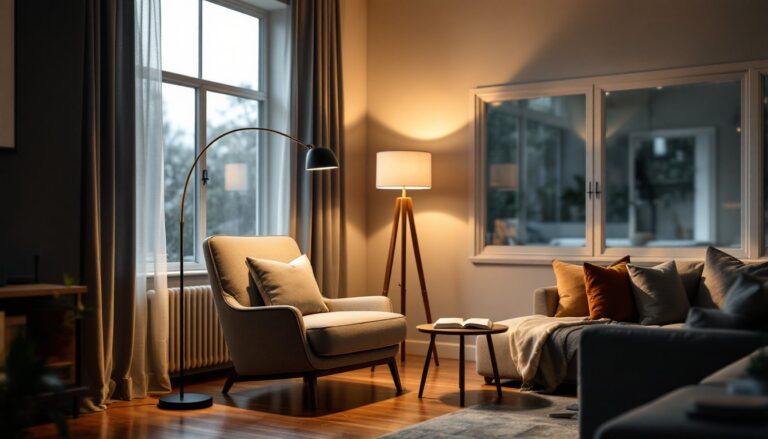
Floor lamps are tall, freestanding fixtures that typically stand 60 to 72 inches high. They’re ideal for corners, behind furniture, or anywhere you need ambient light without taking up table surface. A floor lamp works well in living rooms where table space is at a premium or where you want to avoid clutter. The trade-off is that they take up floor space and can feel intrusive in smaller rooms if not placed thoughtfully.
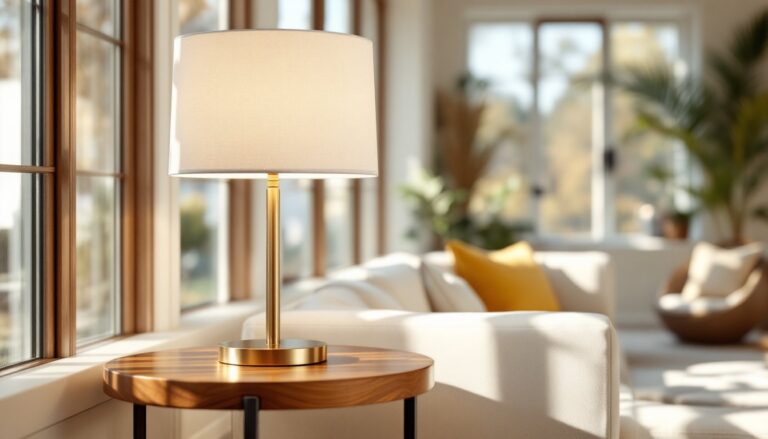
Table lamps, by contrast, sit on a surface, an end table, console, or side table, and usually stand 24 to 30 inches tall including the shade. Lamps for side tables are particularly popular because they flank seating and provide targeted light for reading, working, or simply creating ambiance. Lamps for living room tables come in hundreds of styles, from sleek modern designs to traditional ceramics. The advantage is flexibility: you can move them easily, and they don’t feel as architecturally permanent as floor lamps.
For most living rooms, you’ll benefit from a mix. A tall floor lamp in one corner or behind a sofa provides general illumination, while table lights for your living room, especially on side tables flanking seating, add warmth and task lighting. This layered approach gives you control over brightness and mood.
Your room size matters too. In a large living room, a single floor lamp won’t cut it: you’ll want multiple sources. In a smaller space, table lamps for living room tables may be all you need, paired with overhead fixtures. Think about your furniture layout first, then decide where lamps fit naturally.
Lighting Brightness and Color Temperature Essentials
Two numbers matter when evaluating any lamp: lumens and color temperature. Both directly affect how comfortable your space feels.
Measuring Light Output and Ambiance for Your Room
Lumens measure light output. A typical 60-watt incandescent bulb produces around 800 lumens. Modern LED bulbs deliver the same light at 8 to 10 watts, which is why they’ve become standard. For a living room, aim for 1,500 to 3,000 lumens total depending on room size and function. This might sound like a lot, but remember: that’s total light from all sources, ceiling fixtures, table lamps, floor lamps combined.
A single table lamp usually produces 400 to 800 lumens, so it’s supplemental, not your sole light source. If you’re using a lamp primarily for reading or detail work, you want it closer to 800 lumens. For ambient light and decor, 400 to 600 lumens is fine.
Color temperature is measured in Kelvin (K) and describes whether light feels warm or cool. Lower temperatures (2,700K to 3,000K) produce warm, yellowish light, think candlelight or sunset. This feels cozy and is ideal for living rooms. Daylight (4,000K to 5,000K) is neutral and works for task lighting or reading. Bright white (5,000K+) can feel harsh and isn’t typically used in living rooms unless you specifically need it for detail work.
Most residential living room lamps use 2,700K bulbs. If you’re buying a lamp with a built-in or non-replaceable bulb, check the Kelvin rating before purchasing. The goal is consistency: if your overhead light is 2,700K and your table lamps are 5,000K, the room feels disjointed and uncomfortable.
Placement Strategies for Maximum Visual Impact
Where you put a lamp matters as much as which lamp you choose. Poor placement creates shadows, makes spaces feel cramped, or leaves dead zones unlit.
For a traditional seating arrangement, a sofa facing a TV with side chairs, place table lamps on the tables flanking the sofa’s arms or on side tables next to seating. This positions light at about shoulder height when someone’s sitting, which is ideal for reading and reduces glare on screens. If your side table is too small for a traditional lamp, consider a slimmer, taller model designed for tight spaces.
Floor lamps belong behind seating or in corners to avoid casting shadows directly in your line of sight. A floor lamp behind a sofa throws light over your shoulder onto your lap or reading material, perfect. One in a corner near a chair does the same. The best lighting for living room layouts use multiple fixtures positioned at different heights and angles.
Consider task areas too. If you have a desk or craft table in the living room, add a focused task lamp there, something with a shade that directs light downward onto the work surface. Don’t rely on ambient light alone for detail work.
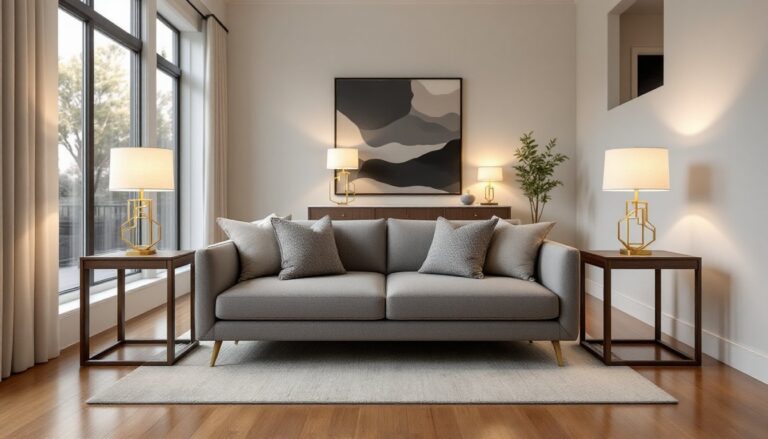
Also think about visual balance. If you have a table lamp on one side of a sofa, ideally you have one on the other side too. This creates symmetry and ensures even illumination. Asymmetrical placement works in modern or eclectic spaces, but it requires intentional design thinking. When in doubt, match pairs.
Budget-Friendly Tips for Finding Quality Living Room Lamps
You don’t need to spend $300 on a lamp to get good quality and style. Smart shopping means knowing what to prioritize and where to save.
First, focus budget on the shade and base construction. These are what you’ll see and use daily. A solid ceramic, metal, or wood base with a well-made shade will outlast cheap plastic components. Budget lamps often fail at the switch, the cord, or the internal wiring, less visible but critical. Mid-range brands ($40 to $80) typically offer better durability than the lowest tier without the luxury markup.
Bulbs are separate. Buy quality LED bulbs even if the lamp itself is modest. A $15 LED bulb lasts 15,000+ hours: a cheap incandescent at $2 lasts 1,000 hours. Over time, good bulbs save money and headaches. Look for Energy Star certified LEDs rated for your desired color temperature.
Shop sales strategically. Home goods retailers run promotions regularly, and many allow online-to-store pickup, saving shipping costs. Don’t buy the first lamp you like: search online for the same model at different retailers. A $60 lamp at one store might be $45 elsewhere. Vintage and secondhand shops often have quality older lamps at a fraction of retail. Just have an electrician inspect the wiring if you’re buying something decades old.
Finally, resist the temptation to match every lamp exactly. Two lamps of similar style but different manufacturers look intentional: it’s called “coordinated variety” in design. This flexibility lets you hunt for deals without compromising aesthetics.
Matching Lamps to Your Décor and Design Style
A lamp isn’t neutral, it’s a design statement. The style you choose either anchors your room or clashes with it.
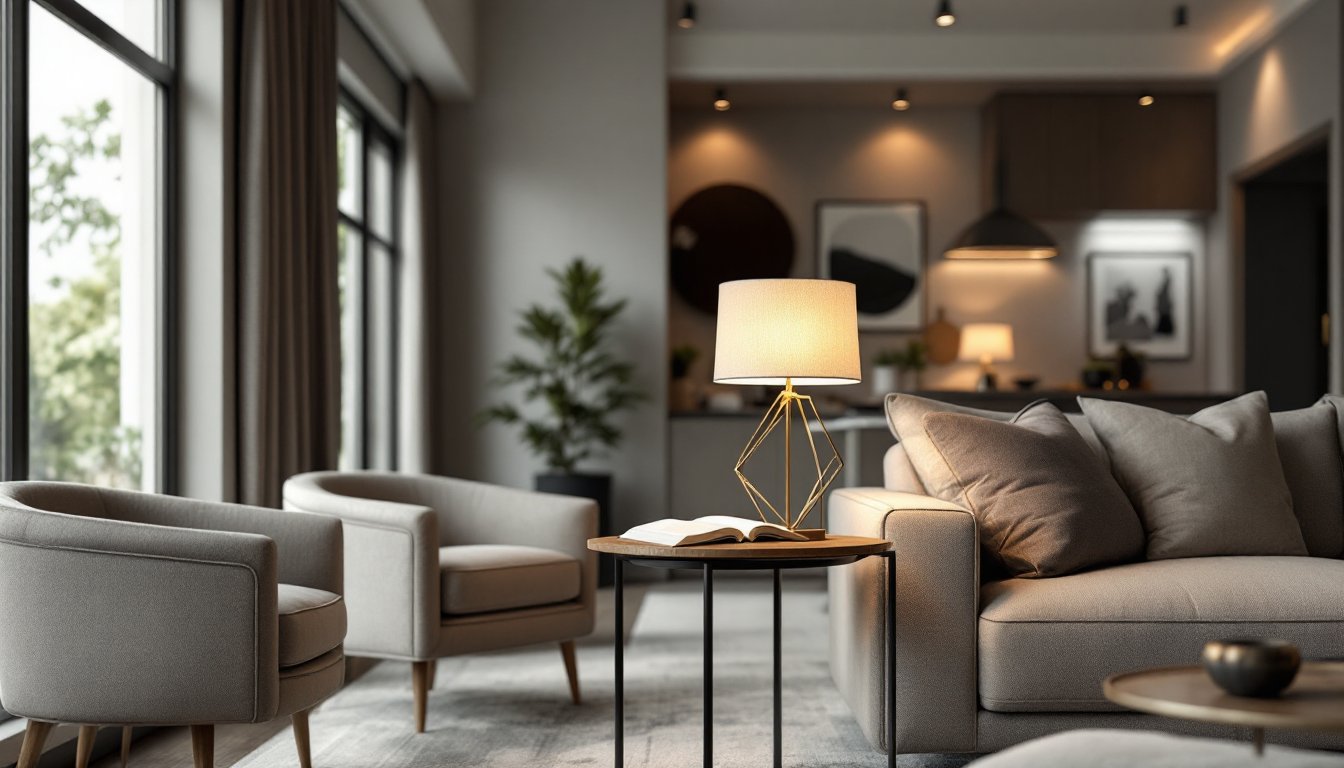
Modern and minimalist spaces call for clean lines, simple bases, and neutral shades (white, gray, black, or natural linen). Look for metal tripod bases, geometric shapes, and matte finishes. Avoid ornate details or warm wood tones unless they’re intentional accents.
Traditional and classic rooms benefit from ceramic or brass bases, fabric shades in cream or patterned textiles, and proportions that feel grounded and sturdy. Think table lamps for living room tables with bell-shaped shades and stable, weighted bases.
Farmhouse and rustic styles favor industrial metals, reclaimed wood, and burlap or neutral linen shades. Vintage Edison bulbs work here because they telegraph authenticity.
Modern farmhouse and transitional spaces are forgiving, they blend elements. You can pair a metal base with a linen shade, or wood with a modern silhouette. This flexibility makes transitional style easier to decorate without overthinking it.
Before buying, compare your lamp choice to your existing furniture, wall color, and other fixtures. Pull a photo of the lamp into your phone and test it against your décor in different lighting. Resources like MyDomaine and Apartment Therapy show real rooms with different lamp styles, which helps you visualize what works. Recessed lighting and table lights for living room arrangements should complement, not compete.
Final Thoughts: Making Your Choice
Choosing a living room lamp comes down to three foundations: functionality, brightness, and style. Start by identifying what you need the lamp to do, provide task light, add ambiance, or both. Then nail the brightness (lumens) and color temperature. Finally, make sure it fits your room’s aesthetic and is positioned where it’ll actually work.
Don’t rush the decision. Live with your room for a week or two and notice where light is lacking. That’s often where a lamp belongs. A well-chosen lamp feels like it’s always been there, not an afterthought but a natural part of how your room functions and looks.