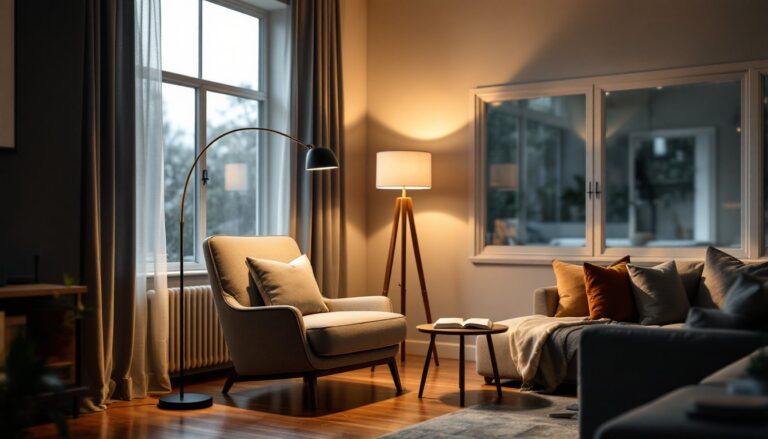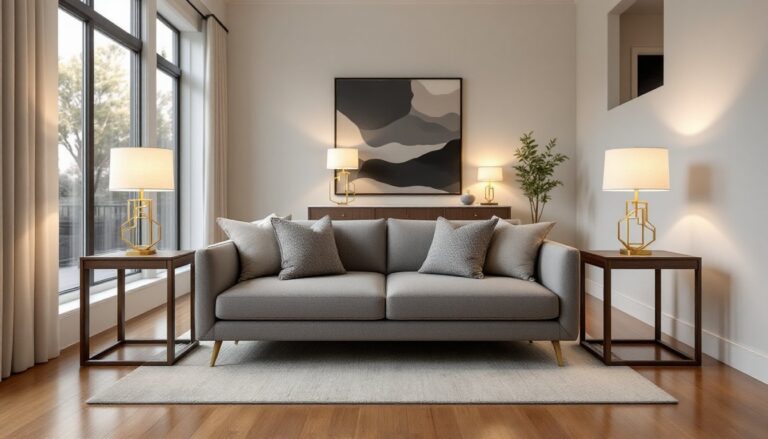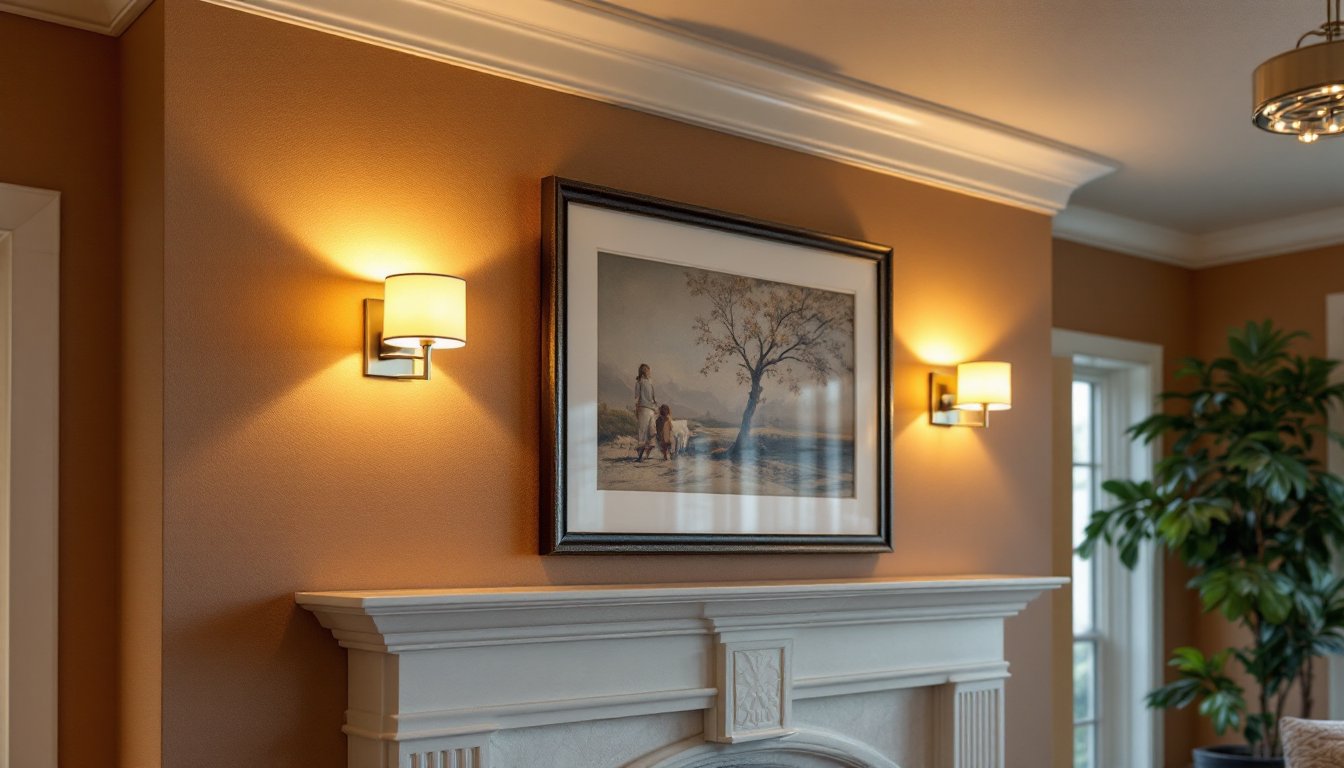
Wall sconces are one of the most underrated tools in a homeowner’s lighting arsenal. Unlike ceiling fixtures that flood a room with uniform brightness, wall sconces deliver focused, flattering light at eye level. They carve out cozy corners, draw attention to architectural details, and do it all without eating up floor or table space. Whether you’re renovating a sitting room, updating a front room ceiling lights setup, or just adding layers to your living room’s ambient glow, understanding how to choose and install wall sconces makes all the difference. This guide walks you through styles, installation methods, and placement strategies so you can light your living room like a pro.
Table of Contents
ToggleKey Takeaways
- Wall sconces for living room provide layered, focused lighting that eliminates shadows and creates depth without cluttering floor or table space.
- Modern sconces feature clean lines and LED integration, while traditional options offer warmth through curved arms and fabric shades—choose a style matching your aesthetic.
- Install wall sconces at 60–66 inches from the floor (eye level when seated) for optimal placement and balanced visual appeal.
- Hardwired installation requires turning off power and may need a licensed electrician, while plug-in and battery-powered sconces offer renter-friendly alternatives.
- Pair sconces with warm-white bulbs (2700–3000K) and use dimmers to layer ambient, task, and accent lighting that adapts to your mood and time of day.
Why Wall Sconces Are Essential For Living Room Lighting
Wall sconces pull double duty: they’re functional lighting and decorative elements. A good set of sconces eliminates harsh shadows that overhead fixtures alone can’t solve. They provide what designers call “layered lighting”, combining ambient overhead light with accent and task illumination to create depth and mood in a room.
Think of it this way: sitting under a single ceiling fixture feels flat and institutional. Add sconces flanking a fireplace or bookshelf, and suddenly the room has dimension. You’re using vertical wall space instead of cluttering tables with lamps, which is especially valuable in smaller living rooms or sitting rooms where every square inch matters.
Sconces also act as accent lights. Mount them near artwork, shelving, or an architectural feature, and you’re not just lighting the space, you’re highlighting what matters. They turn blank walls into focal points and draw the eye exactly where you want it. Plus, they work beautifully with dimmers, so you can shift the room’s mood from bright and energetic to warm and intimate without touching your overhead lights.
Wall Sconce Styles That Work For Every Living Room Aesthetic
Modern & Minimalist Designs
Clean lines and purposeful geometry define modern wall sconces. Look for matte black, brushed nickel, or white finishes paired with simple forms, think cylinders, bars, or geometric shapes. Many modern sconces integrate LED strips or hide the light source entirely, creating a seamless glow rather than a visible bulb.
Linear sconces work exceptionally well in contemporary spaces. A slim bar-style fixture flanking a TV wall or art installation reinforces the room’s orderly aesthetic while providing subtle illumination. Up-and-down light bars wash both the wall and ceiling, adding visual interest without fuss. Low-profile LED panels deliver nearly invisible accent lighting for Scandinavian or minimalist interiors where the design stays understated but purposeful.
These fixtures suit industrial lofts, modern condos, and any living room overhead lighting scheme that favors function over ornamentation.
Traditional & Classic Options
Traditional sconces lean on warmth and detail. Expect curved arms, fabric or frosted glass shades, and finishes like aged brass, oil-rubbed bronze, or polished nickel. These fixtures feel lived-in and inviting, think of the soft glow they cast in a classic library or formal sitting room.
Double-arm sconces with linen shades deliver even, diffused light ideal for flanking a fireplace mantel. Torchiere-style fixtures bounce light upward off the ceiling, amplifying the ambient glow without glare. Single-arm sconces work well in narrow hallways or beside doorways leading into the living room, creating visual continuity throughout your home.
According to design guidance from Better Homes & Gardens, traditional sconces pair especially well with warm-white bulbs (2700K) to emphasize their vintage charm. They’re perfect for transitional, eclectic, or period homes where craftsmanship and material quality signal permanence.
How To Install Wall Sconces: A DIY Guide
Installation method depends on your existing wiring and comfort level. Here’s how each approach works.
Hardwired Installation (the permanent choice)
Hardwired sconces connect directly to your home’s electrical system and require turning off power at the breaker. If you’re adding entirely new wiring, building codes in most jurisdictions demand a licensed electrician, don’t skip this. But, if you’re replacing an existing outlet or light fixture, you may handle it yourself (verify local codes first).
Basic steps: Turn off power, remove the fixture’s mounting bracket, connect the sconce’s black wire to the hot (black) house wire, white to neutral (white), and bare copper or green to ground. Use wire nuts to secure connections, tuck wires into the junction box, and screw the fixture to the box. Finish with shades and bulbs.
Plug-in Sconces (the renter-friendly option)
These skip wiring altogether. Mount a bracket to the wall (using wall anchors if you don’t hit studs), hang the fixture, and plug the cord into a nearby outlet. Perfect for temporary setups or rental spaces, though the cord is visible unless you hide it behind furniture or use a cord cover.
Battery or USB-Powered (the minimal-mess approach)
Screwless adhesive strips or light-duty wall anchors secure these to drywall. Insert batteries or charge the power pack, and you’re done. Brightness and runtime vary widely, so check reviews before buying.
For any hardwired work, LED living room lighting specialists recommend confirming your home’s circuit capacity and using 14/2 or 12/2 electrical wire (depending on breaker size) if running new lines. Always wear safety glasses and use an electrical tester to confirm power is off before touching anything.
Choosing The Right Size, Placement, & Brightness For Your Space
Size: Keep It In Scale
A sconce that’s too large overpowers a wall: too small looks lost. Measure the fixture’s height, width, and how far it projects from the wall, then tape a cardboard cutout to your wall at the intended location. Step back and assess. A sconce flanking a fireplace should feel balanced with the mantel or artwork it frames, roughly one-third to one-half the width of that focal point is a solid starting rule.
For ceiling lamps for living room layouts, sconces shouldn’t compete with overhead fixtures in visual weight. Sleek, narrow fixtures work in rooms with pendant lights or chandeliers: chunky traditional sconces pair better with simpler flush mounts.
Placement: The Eye-Level Sweet Spot
Standard mounting height for living room sconces sits 60 to 66 inches from the floor to the fixture’s center, roughly eye level when seated. This rule holds for accent lighting around fireplaces, artwork, or shelving.
For hallway-style placement (like a passage leading into the living room), mount sconces about 5 to 6 feet from the floor and space them 6 feet apart, staggering them slightly if the wall is narrow. This prevents the harsh shadows and pools of light that uneven placement creates.
Brightness: Layer, Don’t Overpower
Sconces work best as part of a layered scheme. They shouldn’t be your only light source, pair them with overhead lighting or table lamps so the room feels balanced and functional.
Choose warm white bulbs (2700–3000K) for living rooms. This color temperature feels inviting and complements skin tones during evening hours. Install dimmable sconces whenever possible so you can adjust brightness to match the time of day and your mood. A room set for movie night looks completely different from one prepared for board games or reading.
Consult The Spruce for fixture-specific wattage recommendations, but most living room sconces use 40–60W equivalent LED bulbs (roughly 400–800 lumens). Start conservative and upgrade if the room feels dim.
Conclusion
Wall sconces transform living rooms from one-note spaces into thoughtfully lit environments. They save space, highlight your best design features, and give you control over mood and ambiance in ways ceiling fixtures simply can’t match. Whether you choose modern minimalist bars or traditional double-arm fixtures, whether you hardwire them or plug them in, the key is matching the style to your aesthetic and placing them at eye level with brightness you can adjust. Start by visualizing your room’s focal points, measure twice, and don’t rush the installation. Your living room’s lighting, and your guests’ comfort, depends on it.