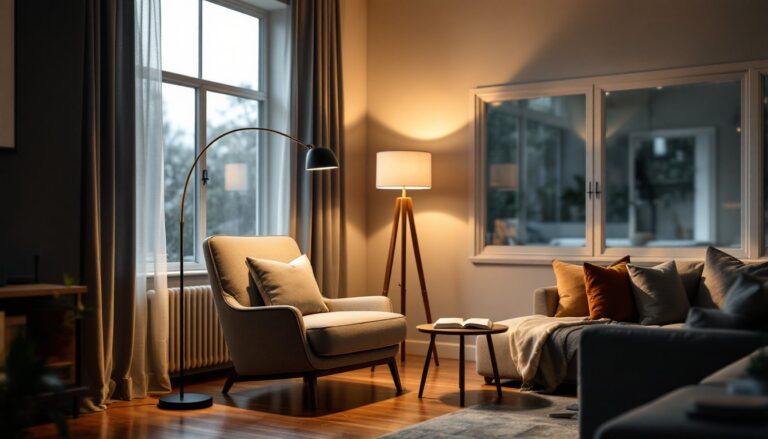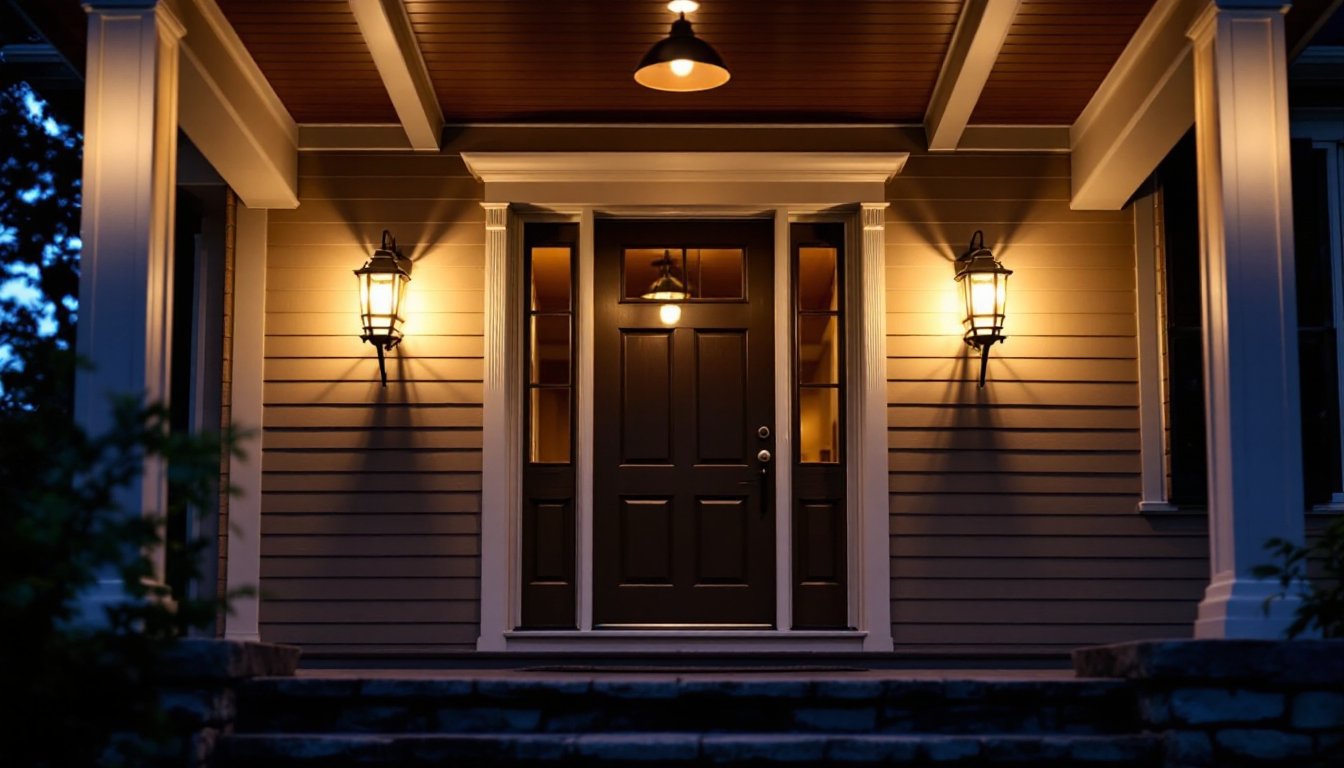
Your front porch is the first impression guests get of your home, and the right lighting can make all the difference. Outdoor porch lighting isn’t just about aesthetics: it’s a practical layer of security and functionality that makes your entryway safer and more inviting, especially as daylight gets shorter. Whether you’re dealing with a bare covered porch or one that’s already partially lit, upgrading your outdoor porch lighting can be a weekend project that delivers year-round value. This guide walks through the main fixture types, installation considerations, and some smart upgrades worth exploring.
Table of Contents
ToggleKey Takeaways
- Outdoor porch lighting serves dual purposes: it enhances safety by meeting recommended visibility standards (at least 50 lux on entry pathways) and dramatically improves your home’s curb appeal through intentional fixture placement and warm color temperatures around 2700K.
- Wall sconces, pendant lights, flush mounts, and post lights each suit different porch configurations—choose based on your ceiling height, desired aesthetic, and installation comfort level.
- LED bulbs are the smart choice for outdoor porch lighting, using a fraction of the energy of incandescent bulbs while lasting 25,000+ hours, making them cost-effective over a decade or more.
- Smart and motion-sensor porch lights add convenience and security, automatically adjusting brightness and triggering on approach, while solar-powered options eliminate electrical work if your porch receives adequate daytime sun.
- Always turn off power at the breaker, use a voltage tester, and check local building codes for GFCI protection requirements before starting any porch lighting installation project.
- Pair multiple light sources at different heights—such as overhead fixtures with lower-mounted sconces—to avoid harsh spotlight effects and create a balanced, welcoming entryway.
Why Porch Lighting Matters for Safety and Curb Appeal
A well-lit porch does two critical jobs: it keeps your entryway safe and it frames your home’s exterior in a way that invites people in. Poor lighting on a porch can hide trip hazards, make it hard for visitors to find your address, and frankly, makes your home look unwelcoming at night.
From a safety angle, visibility matters. The Illuminating Engineering Society recommends at least 50 lux (roughly 5 foot-candles) of light on entry pathways. That sounds technical, but in practice it means you should be able to see the steps clearly and read a visitor’s face when they ring the bell. Good porch lighting also deters minor security issues, a well-lit entryway is less attractive to package thieves or other unwanted visitors.
Curb appeal is the second half of the equation. The right fixture style, color temperature, and placement can highlight architectural details, draw attention to your door, and make the whole front of your house feel intentional. Warm color temperatures (around 2700K) feel inviting, while cooler tones (4000K and up) are better for security-focused lighting where you want maximum visibility.
Types of Outdoor Porch Lights and When to Use Them
Wall Sconces and Pendant Lights
Wall sconces flank your front door and are often the workhorse of porch lighting. They mount directly to the wall on either side of the entrance, and when matched as a pair, they look balanced and intentional. Sconces come in countless styles, from traditional lantern-style fixtures to modern geometric designs. They’re also easier to install than some alternatives since they only need a single junction box per side.
Pendant lights hang from a porch ceiling or soffit and create a more dramatic focal point. They work especially well on covered porches where there’s overhead structure to hang from. A single pendant centered over your door makes a statement, while two pendants flanking the entrance create symmetry. Keep in mind that pendants require a ceiling-mounted junction box and slightly more involved wiring than a simple wall sconce.
Post and Pillar Lights
Post lights sit atop fence posts, deck railings, or stone pillars at the edges of your porch or landing area. They’re standalone fixtures that don’t require wall-mounting, which gives you flexibility in placement. Post lights are ideal if your porch is open and you want to light a pathway or mark the edges of steps.
Pillar lights, sometimes called column lights, wrap around porch columns or structural posts and can add an elegant, architectural touch. These work best when your porch has actual columns or substantial posts to work with. Both post and pillar options come in solar or wired versions, though solar post lights have come a long way in brightness and reliability over the last few years.
Flush Mount and Ceiling Fixtures
Flush mount fixtures attach flush to the ceiling (hence the name) and are ideal for covered porches where headroom is tight or you want a clean, unobtrusive look. They’re simpler to install than pendant lights because the junction box mounts directly to the ceiling, and the fixture sits almost flush against it. Flush mounts are available in an enormous range of finishes and styles, from simple contemporary rounds to ornate Victorian designs.
Ceiling fixtures with a slight down-rod drop offer a middle ground between flush mounts and pendants. They hang a few inches lower than a flush mount, which can make the fixture feel more deliberate and less like it’s disappearing into the ceiling.
When choosing between a flush mount and a pendant, think about your porch ceiling height. If you have a standard 8-foot ceiling, a flush mount keeps everything proportional and won’t feel like a hanging obstacle. On higher or vaulted ceilings, a slight drop or pendant becomes more appropriate.
Based on evidence from Best Home Lighting, fixture placement above a door should cast light downward at an angle that illuminates faces without creating harsh shadows. A fixture mounted at least 6 inches to 12 inches from the ceiling (or a short down-rod) usually achieves this better than a flush mount alone.
Smart Lighting and Energy-Efficient Options
LED bulbs have largely replaced incandescent and CFL options in outdoor fixtures, and for good reason: they’re durable, run cooler, and use a fraction of the energy. A typical 9-12 watt LED bulb produces light equivalent to a 60-watt incandescent, and it lasts 25,000+ hours. For porch lighting that runs several hours a night, that’s a decade or more of life.
Smart outdoor lighting takes things further. WiFi-enabled porch lights let you control brightness, color temperature, and on/off schedules from your phone. Some integrate with motion sensors so the light brightens when someone approaches and dims when the porch is empty. Others sync with voice assistants for hands-free operation.
Motion-sensor fixtures are a practical middle ground between always-on and smart-home tech. They’re good for security lighting (your light flicks on when a package arrives) and energy savings. Just be aware that some guests find a sudden burst of brightness jarring, so if motion sensors are your primary fixture, consider pairing them with a softer, always-on sconce nearby.
Solar-powered porch lights are worth a look if your porch gets good daytime sun exposure. Modern solar fixtures have improved dramatically, 20 porch light ideas from Southern Living highlights some stylish solar options that hold a charge through the night and deliver reliable light. They eliminate the need to run new electrical wire and they’re maintenance-light (just keep the panel clean).
One caveat: if your porch is deeply recessed or in shade, a solar light may struggle to stay charged. Wired LED fixtures are more reliable in low-light situations.
Installation Tips for DIY Porch Lighting Projects
Before you start, check your local building codes. Some jurisdictions require that outdoor lighting fixtures be GFCI-protected (ground-fault circuit interrupter), especially if the fixture is within a certain distance of water sources or under eaves. You may also need a permit for any new electrical work: it’s worth a quick call to your local building department to confirm.
Turning off power at the breaker is non-negotiable. Use a voltage tester to confirm the circuit is dead before you touch any wires. Wear safety glasses and gloves when working overhead or with wire stripping tools.
Most wall sconce or pendant installations involve these steps:
- Turn off power at the breaker and confirm it’s off with a voltage tester.
- Remove the existing fixture (if replacing) or fish new wire through the wall if installing a new circuit.
- Install the junction box, securing it to a stud or blocking behind the drywall so it’s solid.
- Run 14/2 or 12/2 NM (Romex) cable from your breaker to the junction box, depending on circuit capacity (14-gauge for 15-amp circuits, 12-gauge for 20-amp). This is often a job worth hiring an electrician for if you’re not comfortable running new circuits.
- Connect the fixture wires to the circuit wires using wire connectors (caps), then screw the mounting bracket to the box.
- Attach the fixture body and install the bulb and any trim ring or shade.
For flush mounts and ceiling fixtures, the process is similar but you’re working overhead, which requires extra care and possibly a helper. Set up a sturdy ladder and have someone stabilize it.
If you’re installing solar or battery-powered fixtures, the job is much simpler: mount the bracket, screw in the fixture, and let the solar cell charge. No electrical work needed.
Lighting placement matters. 15 outdoor lighting ideas from Popular Mechanics suggests pairing overhead fixtures with lower-mounted sconces or post lights to avoid a harsh, single-point spotlight effect. Symmetry is easier to execute than asymmetrical design, if you’re new to this, pair matching sconces on either side of your door and you’ll get a polished look without overthinking it.
After installation, take time to adjust the fixture angle or lens if the light is throwing shadows where you don’t want them. A slight adjustment to mounting can mean the difference between lighting your guest’s face and leaving it in shadow.
Bringing It All Together
Porch lighting doesn’t need to be complicated, but it does deserve thought. Start by assessing what you have now and what problem you’re trying to solve, is it visibility, aesthetics, security, or all three? Then pick a fixture type that fits both your space and your comfort level with installation.
Whether you go with a classic pair of sconces, modern pendants, energy-sipping LEDs, or a blend of styles, the payoff is immediate. Your home looks more intentional at night, guests can find the door without stumbling, and you’ve added real value to your entryway. As the seasons shift and fall outdoor decorating ideas come into play, solid porch lighting becomes an anchor for the rest of your seasonal upgrades. Take your time with the install, don’t skip the safety checks, and you’ll have a porch that works as hard as it looks.