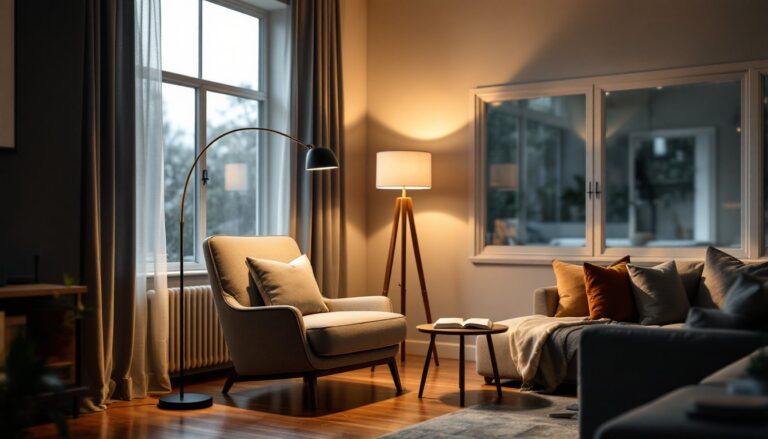
Pendant lighting has become a staple in modern homes, but not all pendant fixtures work equally well in every space. Adjustable pendant lighting offers something standard fixtures can’t: the ability to move, lower, or reposition the light to match your exact needs. Whether you’re outfitting a kitchen island, home office, or entryway, adjustable pendant lighting adapts to your layout and activities without requiring a complete rewiring job. This guide walks you through what makes these fixtures special, where they shine best, how to pick the right ones, and how to install them properly.
Table of Contents
ToggleKey Takeaways
- Adjustable pendant lighting solves real-world layout challenges by allowing you to customize height and position without rewiring, making it ideal for kitchens, dining rooms, and home offices.
- The hanging mechanism—from simple cord adjustments to motorized lifts—determines whether your adjustable pendant can be fine-tuned on demand or set once at installation.
- Choose a fixture diameter roughly one-third the width of the surface below it, and match lumens to your task: 500–1000 lumens for task work, 200–400 lumens for ambient lighting.
- Adjustable pendant lighting adapts to layout changes and interior styles without locking you into one design era, making it a versatile investment for evolving homes.
- Always confirm your ceiling can support the fixture weight, turn off power at the breaker, and use proper mounting fasteners (toggle bolts for drywall); new circuits require a licensed electrician and permit.
What Is Adjustable Pendant Lighting?
Adjustable pendant lighting refers to ceiling-mounted fixtures that hang from cord, chain, or rod and can be repositioned vertically or horizontally after installation. Unlike fixed pendant lights that stay at one height, adjustable models typically feature telescoping rods, braided cables, or weighted systems that let you raise or lower the light without hiring an electrician.
These fixtures come in two main categories: those with simple height adjustment (you manually set the cord or chain length at install time) and those with motorized or spring-loaded mechanisms that let you adjust on the fly. A basic adjustable pendant might have a simple cord-shortening clip or chain loop, while premium options include pulley systems or electronic lift mechanisms. The bulb compatibility varies, some take standard E26 sockets (common US base), while others are designed for specialty bases or integrated LED modules.
Key Advantages of Adjustable Pendant Lights for Your Home
Customizable Height and Task Flexibility
The biggest win with adjustable pendant lights is height flexibility. A kitchen island that needs bright task lighting for food prep might need the light 18–24 inches above the counter, but once you’ve finished cooking and switched to ambient evening mood lighting, lowering the fixture slightly changes the entire ambiance. Adjustable pendants let you dial in the perfect height for different times of day and different activities without touching your electrical system.
This also solves real-world layout challenges. Dropped ceilings, tall cabinets, or varying counter heights often force standard pendant lights to sit awkwardly. An adjustable pendant flexes with your existing architecture rather than forcing you to work around a fixed height.
Design Versatility and Room Adaptation
Adjustable pendant lighting doesn’t lock you into one design. Because the fixture can move, you can shift the placement slightly if you rearrange furniture or add a new island or bar. Contemporary dining room lighting often benefits from this flexibility, a pendant over a formal dining table can be raised for everyday meals and lowered for intimate dinner parties.
They also bridge the gap between different interior styles. A sleek industrial adjustable pendant works just as well in a minimalist kitchen as it does in a transitional dining space. You’re buying a functional tool that doesn’t scream one particular design era.
Where to Install Adjustable Pendant Lights
Kitchen islands and bars are the most obvious choice. These work surfaces demand focused light, and adjustable pendants let you dial in the exact height where shadows disappear without glare hitting the cook’s eyes. Install them 18–24 inches above the work surface as a starting point: you can fine-tune after living with it for a week.
Dining tables are another classic spot. Adjustable pendants let you lower the light for intimate dinners and raise it during the day so sightlines aren’t blocked during conversation. This is where interior design trends meet practical lighting.
Home offices and reading nooks benefit hugely from adjustable pendants. You can lower the fixture during focused work and raise it when you switch to browsing or phone calls. No more neck strain from lights positioned too high or too low.
Entryways and hallways look polished with adjustable pendants that you can position at a height that feels intentional, not cramped. Many homeowners use them in laundry rooms and mudrooms too, areas where function matters more than formal design but where good lighting still counts.
Avoid using adjustable pendants in rooms with very high ceilings and no plan to lower them: the visual impact of a 14-foot cord looks awkward. For bedrooms, unless you need task lighting over a vanity, go with flush-mounts or non-adjustable pendants to keep the bedroom calm and clutter-free visually.
How to Choose the Right Adjustable Pendant Light
Start with hanging mechanism. A simple cord or chain is the cheapest option but offers only one adjustment point, set it once at install. Motorized lifts and spring-loaded pulley systems cost more but let you adjust on demand. For a kitchen island where you’re always tweaking the height, motorized is worth the money. For a dining room adjusted seasonally, a simple chain works fine.
Match the fixture size to the space. An adjustable pendant with a 6-inch diameter shade is fine for a single-person reading nook but will look undersized over a 36-inch kitchen island. Most designers recommend a fixture diameter that’s roughly one-third the width of the surface below it, so a 12-inch diameter shade for a 36-inch island.
Check bulb compatibility. Some adjustable pendants ship with fixed LED modules (bulb cannot be changed: whole fixture eventually fails). Others take standard A19 bulbs or specialty bases. If you’re replacing an older fixture, confirm the socket type so you’re not stuck buying only one brand of bulb.
Consider light output. An adjustable pendant hung low over task work needs 500–1000 lumens: ambient lighting can get by on 200–400 lumens. Design inspiration and curated home guides often showcase fixtures paired with specific room types, look for real-world photos that match your ceiling height and task type.
Inspect the cord or chain quality. Cheap nylon cord frays and stretches: braided fabric cord and stainless steel chain hold up over years of raising and lowering. If the fixture has a pulley or motor, run the mechanism up and down in the store (if possible) to confirm it moves smoothly without grinding sounds or excessive resistance.
Finish matters for durability and style. Matte black, brushed brass, and polished nickel are standard finishes that work across design styles. If choosing a bright color or unusual finish, make sure it coordinates with your existing hardware, cabinet knobs, faucets, appliance trim.
Installation and Setup Tips
Before you start, confirm you’re working with a ceiling that can support the fixture’s weight. Most adjustable pendants weigh 2–5 pounds: standard ceiling joists spaced 16 inches on center can hold this easily if the fixture is mounted directly into a joist. If you’re hanging between joists, use an adjustable brace or old-work box rated for the weight. Read the manufacturer’s specs, if they don’t list a weight rating, contact the maker before installing.
Turn off power at the breaker before touching any existing wiring. Use a non-contact voltage tester to confirm the circuit is dead. If you don’t own one, buy a cheap one (under $10), it’s non-negotiable for electrical safety.
If replacing an existing fixture, disconnect the old pendant and cap any existing wires with wire nuts before removing the old box. For a new installation, you’ll need to run new wiring from the breaker box (or extend from nearby circuits). Running new circuits requires a permit in most jurisdictions and should be done by a licensed electrician, electrical codes vary by region, and mistakes create fire hazards. DIY this only if you’re confident in your skills and your local code allows it.
Once power is confirmed off, install the mounting bracket or fixture box into the ceiling. Use wood screws for joists or toggle bolts and expansion anchors for drywall between joists. If using drywall fasteners for a heavy fixture, use two fasteners minimum, even if the package says one suffices.
Connect the wiring: Black (hot) to black, white (neutral) to white, bare copper or green (ground) to ground. If any wire colors don’t match (old wiring in old homes), call a licensed electrician. Mismatched colors often indicate outdated wiring that shouldn’t be guessed on.
Adjust the cord or chain length to your target height before final tightening. Most fixtures come with a cable clip or chain loop to hold excess cord. Measure from the mounting bracket down to your ideal height and add 12 inches for safety loop at the bulb end.
Install the bulb and test the light before pushing the fixture fully into the box. Confirm the bulb brightness is what you expected and the light cone falls where you need it. Adjust height one more time if needed, then secure the fixture trim ring and complete the connection.