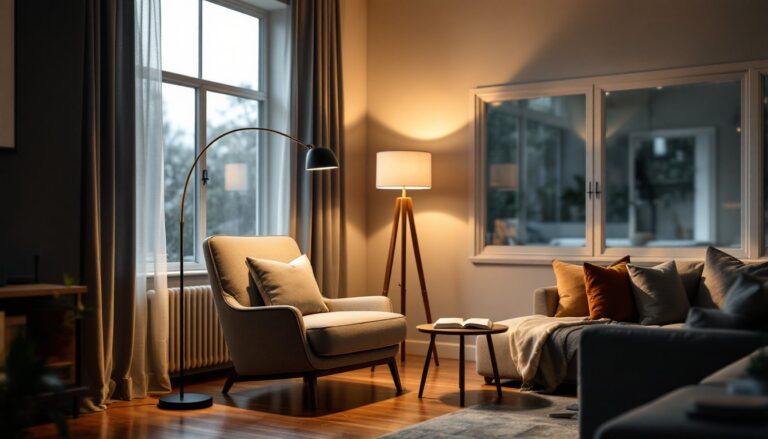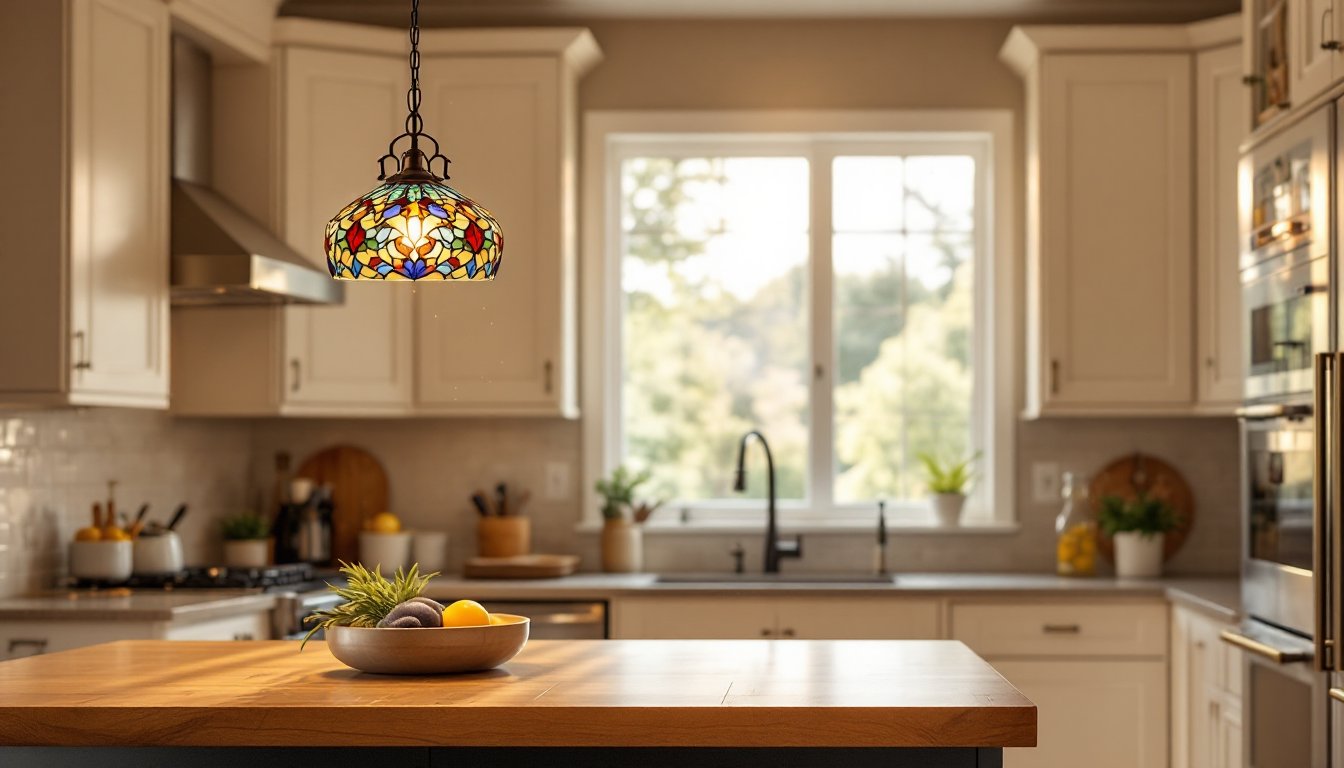
Tiffany pendant lighting isn’t just a fixture, it’s a statement piece that brings warmth and character to any room. These distinctive hanging lights, with their hand-cut colored glass and intricate metalwork, have been elevating home interiors since the late 1800s. Whether you’re drawn to the rich jewel tones, geometric patterns, or soft amber glow, Tiffany-style pendant lights work in both traditional and modern spaces. If you’re considering adding Tiffany pendant lighting to your home, this guide walks you through styles, placement, installation basics, and maintenance so you can make an informed choice and get the most from your investment.
Table of Contents
ToggleKey Takeaways
- Tiffany pendant lighting combines hand-cut stained glass with brass or bronze metalwork to create durable, artistic fixtures that cast warm, diffused light and work in both traditional and modern interiors.
- Popular Tiffany styles include geometric designs for contemporary spaces, floral patterns for traditional décor, dragonfly motifs for mixed aesthetics, and solid amber or jewel-tone shades that complement almost any room.
- Kitchen islands, dining rooms, entryways, and bedrooms are ideal locations for Tiffany pendant lights, with proper sizing (12–24 inches depending on space) and height placement ensuring both functionality and visual impact.
- Professional installation requires confirming your electrical box supports the pendant’s weight (typically 3–8 pounds), turning off power, connecting wires carefully, and optionally hiring a licensed electrician if you’re uncertain about electrical work.
- Maintaining Tiffany pendant lighting involves regular dusting, gentle glass cleaning with vinegar solution every six months, annual inspection of electrical connections, and using dimmable LED bulbs to preserve beauty and functionality for 20+ years.
- Choose a Tiffany pendant that matches your color palette and design direction, balance it with existing metal hardware and room proportions, and prioritize quality over quantity—one handmade fixture often outweighs multiple lower-quality alternatives.
What Defines Tiffany Pendant Lighting
Tiffany pendant lighting refers to hanging fixtures featuring glass shades crafted in the style pioneered by Louis Comfort Tiffany in the early 20th century. The hallmark is a stained glass shade, individual pieces of colored glass cut and fitted together, then soldered with lead or copper channels called came. The result is a durable, artistic shade with a mosaic-like appearance.
The metal frame, usually brass, bronze, or oil-rubbed bronze, provides structural support and contains the electrical components. Quality Tiffany pendants use multiple glass pieces (often 50–300+) to create depth and visual interest. When light passes through, the colored glass casts warm, diffused illumination rather than harsh direct light.
The Beauty of Stained Glass Design
What makes stained glass special is how light interacts with color. Deeper tones like amber, ruby, and sapphire blue create moody, intimate atmospheres. Lighter panels with clear or frost glass allow more brightness while maintaining that signature glow. Hand-cut designs mean slight variations between pieces, this is authenticity, not a flaw. The solder lines create visual rhythm, adding to the craftsmanship appeal.
Stained glass also stands up to time. Unlike painted designs that fade, the color goes through the entire piece. A well-made Tiffany pendant can last decades or longer. Modern reproductions use the same techniques as originals, so you’re not sacrificing durability for style.
Popular Tiffany Styles and Patterns
Tiffany pendants come in recognizable signature styles that work in different décor schemes.
Geometric designs use bold lines, symmetrical patterns, and primary colors, think Art Deco-influenced borders or Mission-style squares and rectangles. These feel sharp and contemporary, even though they’re vintage in origin. Geometric Tiffany pieces pair well with modern furniture and industrial-edged spaces.
Floral patterns feature flowers, leaves, and botanical motifs in soft pastels or jewel tones. Roses, grapes, and tulips are common subjects. Floral Tiffany lighting suits traditional décor, cottage-style kitchens, and vintage-leaning bedrooms. The designs feel organic but still structured, not chaotic.
Dragonfly designs are iconic and instantly recognizable: dragonflies in flight over water or cattails. These blend organic and geometric elements, making them bridge traditional and modern spaces. They’re pricier because of the complexity and detail required.
Amber and jewel-tone solids rely on color gradation without complex patterns. Shades progress from light amber at the top to deeper honey or burnt orange below, or they shift through reds and crimsons. These are simpler to manufacture but no less stunning. They work almost anywhere because color is the star.
When browsing, focus on what resonates with your existing décor. A floral pendant will feel out of place in an industrial loft, just as a stark geometric design might clash with a farmhouse aesthetic.
Where to Use Tiffany Pendant Lights in Your Home
Kitchen islands are the classic choice. A pair or trio of Tiffany pendants hung at 18–20 inches above the countertop provides task lighting plus visual focus. This is where Tiffany lighting shines, literally. The overhead position showcases the shade, and the warm light is practical for meal prep.
Dining rooms benefit from a single larger Tiffany pendant centered over the table, or multiple pendants on a beam. The downward-focused light flatters food and faces without being stark. Amber and warm-toned shades are especially forgiving in dining spaces.
Entryways and foyers use Tiffany pendants to make a welcoming first impression. A single pendant at the entry creates an instant focal point. Ensure clearance for doorways, typically you want the bottom of the shade at least 7 feet from floor level.
Bathrooms can work, though moisture is a consideration. Ensure fixtures are rated for bathroom use and positioned away from tub spray zones. Some modern pendant styles with waterproof components are designed for this application.
Bedrooms and living rooms use Tiffany pendants for ambient light combined with other fixtures. A single pendant over a reading nook or a pair flanking a bed (installed on separate circuits or dimmer switches) allows layered lighting for mood. You’ll appreciate the softer glow during evening hours.
Hallways and stairwells benefit from Tiffany pendants’ downward light pattern, which safely illuminates passage. Space them 8–10 feet apart on straight runs for consistent coverage.
The key is matching pendant size to room scale. A 12-inch shade works in small powder rooms or tight corners. 16–20-inch shades suit standard kitchens and dining rooms. 24-inch or larger pendants anchor larger spaces. Measure your ceiling height, fixture placement, and existing furniture to avoid overcrowding the visual field.
Installation Tips for DIY Enthusiasts
Before you start: Confirm your electrical box is rated for the weight of your pendant. Tiffany shades typically weigh 3–8 pounds depending on size and glass thickness. A standard ceiling box rated for 50 pounds handles this easily, but verify yours is properly secured to a ceiling joist (the structural frame member running perpendicular to the ceiling surface).
Turn off power at the breaker. Use a voltage tester to confirm the fixture wires are de-energized. This is non-negotiable.
Remove the old fixture (if replacing one). Disconnect the old wiring at the wire connectors. Most fixtures use wire nuts, plastic threaded caps that twist off. Unscrew the mounting bracket from the electrical box.
Attach the new mounting bracket to the electrical box using the provided hardware. Ensure it’s level using a torpedo level. Most brackets are adjustable: tighten screws once level is confirmed.
Thread the new fixture wires through the mounting bracket. The pendant will have a neutral wire (white), a hot wire (black), and a ground wire (bare copper or green). Connect white to white, black to black, and ground to ground using wire connectors. Tuck wires neatly into the electrical box.
Attach the shade to the fixture frame per the manufacturer’s instructions, usually a threaded collar or clip mechanism. Don’t overtighten: glass can crack.
Turn power back on and test. If using a dimmer switch, verify it’s rated for your bulb type (incandescent, CFL, or LED dimmers aren’t always compatible).
Safety gear: Wear safety glasses when working overhead. If you feel uncertain about electrical work, hire a licensed electrician. Many jurisdictions require permits for new fixtures, check local codes before beginning.
Maintenance and Care for Long-Lasting Beauty
Tiffany pendant lighting requires minimal upkeep but benefits from gentle attention.
Dust regularly. Use a soft, dry microfiber cloth or a gentle brush to remove dust from the glass and metal frame. Do this monthly or quarterly depending on your environment. Dust buildup dulls the glass’s light transmission.
Clean glass carefully. Every six months, wipe glass panels with a barely damp, lint-free cloth. For stubborn spots, use a 50/50 white vinegar and water solution, then dry immediately. Avoid abrasive cleaners or scrubbing, they can scratch glass or damage the patina on bronze finishes.
Check solder joints and came. Inspect where glass panels meet the metal frame, especially if the fixture gets heavy use or experiences temperature swings (near vents or in uninsulated spaces). Small cracks or loose panels may develop over decades. If solder cracks, the shade can weaken and become a safety risk, consult a professional glass artisan for repair.
Inspect electrical connections. Once yearly, turn off power and visually check that wire connectors are tight and that no wires are frayed or exposed. Tug gently on wires to ensure they’re secure.
Replace bulbs appropriately. Modern LED bulbs suited to Tiffany fixtures are dimmable, long-lasting (25,000+ hours), and run cooler than incandescent. Avoid cheap LEDs that flicker or don’t dim smoothly. Check the fixture’s rating for maximum wattage and ensure your bulb doesn’t exceed it.
Protect from moisture. While stained glass itself resists moisture, the electrical components and frame don’t. Ensure bathroom fixtures are rated for moisture and positioned away from direct spray. In damp basements or outdoor areas, use fixtures specifically designed for those environments.
With these habits, a quality Tiffany pendant should remain beautiful and functional for 20+ years.
Choosing the Right Tiffany Pendant for Your Décor
Start by identifying your home’s design direction. Are you drawn to contemporary dining room lighting aesthetics, or do you prefer vintage and eclectic approaches? Your answer shapes which Tiffany style suits you.
Match your color palette. Pull inspiration from surrounding walls, cabinetry, and furniture. A warm-toned kitchen with honey oak cabinets pairs beautifully with amber or golden Tiffany shades. A cool-toned, modern kitchen works with geometric blues and greens. Jewel-tone floral Tiffany lighting complements neutral walls and bold accent pieces.
Consider scale and proportion. Oversized pendants in small spaces feel cramped. Tiny pendants in large rooms disappear. A general rule: the shade diameter (in inches) should be roughly one-third the width of the island or table it illuminates. For a 36-inch island, a 12–14-inch shade works well.
Balance with existing fixtures. If your room already has brass or bronze hardware (cabinet pulls, faucets, door handles), choose a pendant with matching metal tones. Mismatched metals feel disjointed. Modern homes with stainless steel can use brushed nickel or chrome Tiffany frames, though warm metals often feel more inviting.
Budget realistically. Handmade Tiffany fixtures from artisans run $200–$1,500+ per pendant. Machine-made reproductions in the Tiffany style run $50–$300. Vintage originals can be thousands. Determine your budget, then prioritize quality over quantity. One excellent pendant beats three mediocre ones.
Test brightness. Check lumens, not just wattage. Modern LED Tiffany bulbs vary in brightness output. Darker glass (deep amber, ruby) transmits less light, choose higher-lumen bulbs if task lighting is essential. Lighter shades are naturally brighter. Retailers often display working fixtures: spend a moment observing how light behaves before purchasing.
Researching Tiffany-inspired pendant lights for every room and learning how to style Tiffany lamps in modern interiors can spark ideas. You might also explore the alluring history of Tiffany Studios lamps to deepen your appreciation for the craft.