Black outdoor lighting has become the go-to choice for homeowners seeking a modern, sophisticated edge for their properties. Unlike brass, chrome, or bronze finishes that dominated previous years, black fixtures offer a clean aesthetic that complements both contemporary and traditional homes. Whether you’re upgrading your front entry, illuminating a patio, or defining pathways, black outdoor lighting delivers practical visibility while elevating your home’s visual appeal. This guide walks you through choosing, installing, and maintaining black fixtures to transform your outdoor space with intentional design.
Table of Contents
ToggleKey Takeaways
- Black outdoor lighting offers a modern, sophisticated aesthetic that complements both contemporary and traditional homes while hiding weathering better than polished finishes.
- Choose fixtures rated IP54 or higher for dust and water resistance, and install wall sconces 60 to 66 inches from the ground to avoid glare and ensure visual balance.
- Use LED bulbs rated 2700K to 4000K with 50–1000+ lumens depending on the space’s purpose, ensuring wet-location ratings for moisture and temperature fluctuation.
- Space path lights 4 to 6 feet apart and layer your black outdoor lighting with ambient, task, and accent options to create depth and improve both function and safety.
- Clean fixtures every 6 to 12 months with mild soap and soft cloth, avoid abrasive scrubbers, and inspect seals annually to prevent rust and extend fixture lifespan to 10–15 years.
Why Black Outdoor Lighting Works for Modern Homes
Black lighting fixtures function as both functional elements and design anchors. They don’t compete visually with your landscape or architecture, they complement it. A matte black sconce against a light-colored wall creates instant contrast without demanding attention in the wrong way. Unlike polished finishes that show fingerprints and water spots constantly, textured or matte black hides weathering and requires less frequent cleaning.
The versatility is another win. Black pairs equally well with stone, brick, stucco, wood siding, and modern metal accents. It grounds eclectic color schemes and strengthens cohesive ones. Recent trends in outdoor living emphasize intentional, unfussy design, black fixtures fit that philosophy perfectly. They also work year-round: you won’t feel compelled to swap them out seasonally, which keeps installation and wiring permanent and safe.
Types of Black Outdoor Lighting Fixtures
Wall Sconces and Lanterns
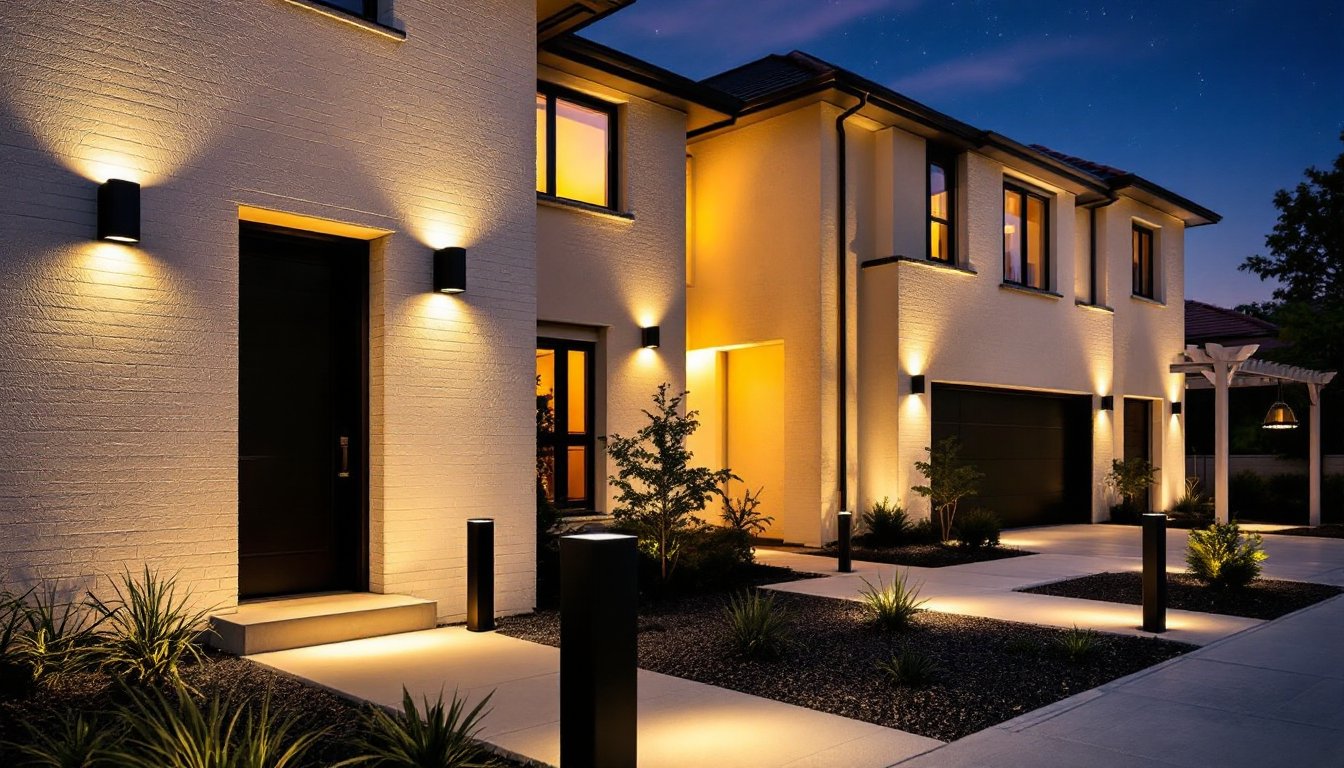
Wall sconces are the workhorses of outdoor lighting. They mount directly to your home’s exterior wall, typically flanking a front door, beside a patio door, or along a porch. Black sconces come in slim, architectural styles (minimalist and modern) or traditional lantern shapes (more classic appeal). Look for fixtures rated IP54 or higher (indicating dust and water resistance): these withstand rain, humidity, and temperature swings without corroding.
Lanterns with glass panels offer softer light diffusion and add visual interest. Ensure the frame is powder-coated aluminum or stainless steel, bare metal will rust. Mounting height matters: sconces are typically installed 60 to 66 inches from the ground to eye level, which looks balanced and prevents glare directly in your face.
Path Lights and Bollards
Path lights and bollards define walkways, driveways, and garden edges. Path lights are short stake-mounted fixtures (usually 12 to 24 inches tall) that sit low to the ground: bollards are taller posts (24 to 48 inches) that double as landscape elements. Black versions recede into plantings and hardscaping, creating a sophisticated, understated look.
LED path lights are standard now and consume minimal power. Most run on 6-watt to 10-watt solar or low-voltage systems, meaning no trenching or electrical work required for solar versions. Bollards often require buried low-voltage wiring if you want them on a dedicated circuit, so plan placement before installation. Both types benefit from clear or frosted lens covers: avoid colored lenses indoors, as they distort natural light appearance outdoors.
Design Ideas: Where and How to Install Black Outdoor Lighting
Start by mapping your outdoor spaces. Front entries benefit from paired black sconces flanking the door and perhaps a single overhead fixture for broad coverage. The landscape design principles discussed on Gardenista emphasize layered lighting, combine ambient (overhead), task (near seating or grills), and accent (highlighting plants or architectural features) for depth and function.
Patios and decks perform best with black pendant lights hung from pergolas or rafters, supplemented by path lights along stairs or edges. Bollards running along driveways create a premium appearance and improve safety at night. For side yards or gardens, modern smart home lighting systems from Digital Trends allow you to control color temperature and brightness remotely, adding flexibility without sacrificing the sleek black aesthetic.
Placement tips: Mount sconces at consistent heights and symmetrical positions (unless intentionally asymmetrical for effect). Space path lights 4 to 6 feet apart for continuous visibility without over-lighting. Avoid placing lights directly in sightlines from seating areas, aim for accent or boundary lighting instead. If hardwiring required, consult your local electrical code: most jurisdictions demand a GFCI-protected outlet for outdoor circuits and proper burial depth for low-voltage wiring (12 inches for regular landscape wire, 18 inches for buried conduit).
Choosing the Right Bulbs and Brightness for Your Space
LED bulbs dominate outdoor lighting now, and for good reason: they last 25,000+ hours, use 75% less energy than incandescent, and run cool (safe against plastic fixtures). Choose bulbs rated 2700K (warm white) to 4000K (neutral white): anything above 5000K looks clinical and drains outdoor ambiance.
Brightness, measured in lumens, depends on the area’s purpose. A front entry path light needs 50 to 100 lumens for subtle visibility: a patio work area needs 500 to 1000+ lumens. Entry sconces typically range 400 to 800 lumens, bright enough to see faces without harsh shadows. Dimmers aren’t always compatible with LED bulbs, so check the fixture’s compatibility before buying a dimmer-capable bulb.
Look for wet-rated or wet-location bulbs (marked on packaging): these handle moisture and temperature fluctuation. Some manufacturers pair black fixtures with integrated LED modules, eliminating bulb replacement, convenient but costly upfront. If your black fixtures use standard sockets, select E26-base (standard US screw-in) bulbs rated for outdoor use. Most outdoor bulbs cost $10 to $25 each, so factor that into your long-term budget.
Maintenance Tips to Keep Your Black Fixtures Looking New
Black finishes hide dust better than bright metals, but they still accumulate grime and mineral deposits from rain and sprinklers. Clean fixtures every 6 to 12 months with mild soap, warm water, and a soft cloth. Avoid abrasive scrubbers (steel wool, harsh chemicals) that scratch the powder coat and expose raw metal underneath, inviting rust.
If your region has hard water or ocean salt spray, rinse more frequently, mineral buildup and salt accelerate corrosion. Inspect lens panels for cracks or condensation inside (indicates a failing seal): replace the entire fixture if the seal breaks, as water inside promotes mold and electrical hazards.
Check wired fixtures annually for loose connections or exposed wires: outdoor moisture and temperature swings cause expansion and contraction that loosen fasteners. Ensure gaskets and weatherstripping around the fixture base remain intact. For solar path lights, wipe the solar panel clean in fall and spring. If LED bulbs flicker or dim prematurely, they may be undersized for the fixture’s voltage, replace with the correct wattage or consult the manufacturer. Most black outdoor fixtures, when properly maintained, last 10 to 15 years before needing replacement due to wear.