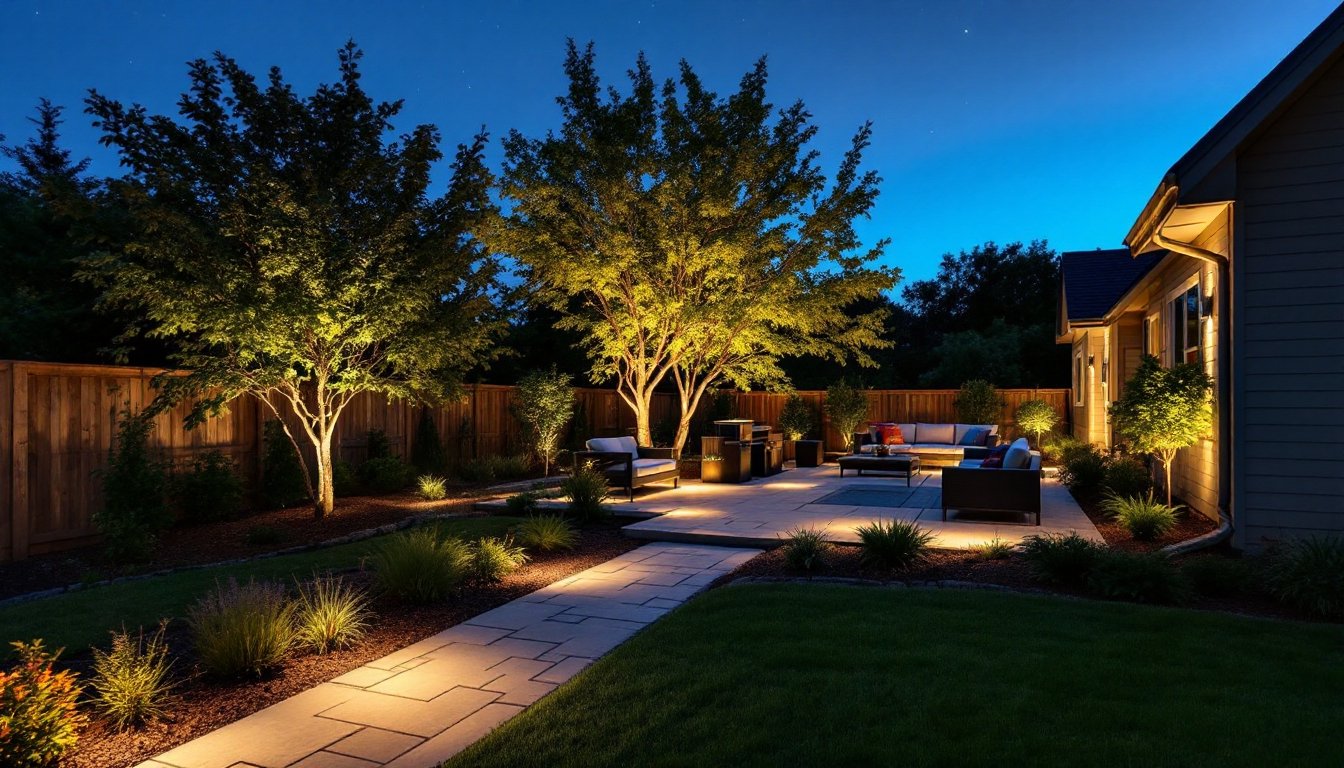
Setting up outdoor lighting that actually works, and looks good, doesn’t require an electrician or a landscape design degree. Whether you’re adding accent lights around a garden bed, illuminating a walkway, or creating ambiance on a patio, the right landscape lighting supply choices make all the difference. This guide walks you through the essential fixtures, power options, and sourcing strategies so you can install professional-looking results yourself, without the contractor markup.
Table of Contents
ToggleKey Takeaways
- 12-volt low-voltage landscape lighting supply systems offer the best balance of safety, ease of installation, and cost-effectiveness for DIY homeowners without requiring a permit.
- Plan your landscape lighting layout by walking your yard at dusk, measuring cable runs, and buying 10% extra wire to avoid costly return trips to the store.
- Choose between solar lights for flexibility and zero wiring or wired systems for consistent brightness and ambiance; wired systems are ideal for accent and path lighting.
- Invest in quality fixtures with powder-coated aluminum bodies and UV-rated lenses that last 5–7 years rather than cheap plastic alternatives that degrade in one season.
- Build your landscape lighting project in phases starting with path lights, then add uplights and accents in future years to spread costs and learn the system.
- Shop for fixtures in late summer and fall when retailers offer 30–40% discounts on previous-season inventory, and consider buying bundled kits instead of individual components.
Understanding Landscape Lighting Essentials
Landscape lighting serves two jobs: function and mood. Functional lighting, like path lights and area lights, keeps people safe by illuminating walking surfaces and entry points. Ambient lighting creates atmosphere and extends the usable evening hours on a deck or patio. The difference matters because it determines fixture placement, brightness, and power source.
When shopping for landscape lighting supplies, you’ll encounter two main voltage systems: 12-volt low-voltage (the most common for DIY) and 120-volt standard household current (requiring a permit and professional installation in most jurisdictions). Low-voltage systems run through buried cable and are safer to install yourself. They also use less energy, though brightness is limited compared to 120-volt setups. For most homeowners starting out, 12-volt kits hit the sweet spot between safety, ease of installation, and cost-effectiveness.
Before you buy anything, map out where you want light. Walk your yard at dusk and note dark corners, uneven surfaces, and areas where ambient light would enhance the view. Take measurements from where lights will sit to where you’d run cable, this determines how much wire and how many fixtures you actually need. Most DIYers underestimate cable length: buy 10% extra to avoid a trip back to the store.
Types of Landscape Lights You’ll Need
Landscape fixtures come in distinct categories, and mixing them creates layers of light that look intentional rather than accidental.
Uplights aim light upward to graze tree trunks, architectural details, or tall shrubs. They create drama and depth. Downlights (sometimes called moonlights) mimic natural moonlight and cast soft pools on walkways or patios, these are gentler than uplights and work well near seating areas. Path lights are low-mounted stakes with diffused lens that define walkways and driveways. Step lights fit into risers or sit flush against wall surfaces and guide people safely. Spotlights deliver narrow, focused beams for highlighting focal points like a specimen tree or water feature.
For a basic setup, start with path lights along main routes, one or two uplights for visual interest, and a spotlight if you have a garden focal point. You don’t need every type. 12 Volt Lighting: Unlock solutions often bundle these components together, which simplifies sourcing.
Focus on quality lens and housing. Cheap plastic fixtures yellow and cloud over one season. Look for powder-coated aluminum bodies and tempered glass or polycarbonate lenses rated for outdoor UV exposure. These cost a bit more upfront but last five to seven years instead of one or two.
Solar vs. Wired Landscape Lighting Systems
This decision shapes your entire project. Both have real merits: the right choice depends on your site conditions and budget.
Solar lights have zero wiring and no transformer to install. They charge during the day and glow at night. Upfront cost is low, and there’s no ongoing electricity cost. The catch: they only work where sunlight reaches. A path in deep shade won’t charge: a fixture under tree cover dims noticeably on cloudy days. Battery quality varies wildly, cheap solar lights flicker after six months. Premium solar path lights (roughly $40–80 each) hold a charge longer and last longer overall, but they’re still dimmer than wired systems.
Wired low-voltage systems consist of a transformer (plugged into a standard outdoor outlet), direct burial cable, and fixtures wired to that cable. Once installed, they deliver consistent brightness regardless of weather. You can run multiple fixtures on one transformer, and brightness doesn’t fade as batteries age. Installation involves burying or hiding cable (either in conduit or shallow trenches), which takes time. You also need an outdoor GFCI outlet within code-approved distance of the transformer.
For ambiance and accent lighting, wired wins. For temporary or test layouts, solar wins. Hybrid approaches work too, solar for standalone uplights, wired for path systems. The Bamboo Lighting Solutions approach of sustainable materials pairs well with solar if your landscape has open sun exposure.
Choosing the Right Light Fixtures for Your Design
Fixture style should complement your home’s exterior. A modern aluminum path light looks wrong next to a rustic cottage: a Victorian-style lantern clashes with contemporary siding. This isn’t about strict matching, it’s about intentional contrast or harmony.
Material choices: Stainless steel resists corrosion and suits contemporary or coastal homes. Copper oxidizes to a natural patina and complements traditional designs. Aluminum is lightweight and economical. Bronze offers warmth and works with most styles. Avoid bare iron outdoors: it rusts quickly unless sealed.
Color temperature matters. Warm white (2700K) creates ambiance and mood lighting, think twilight. Cool white (4000K+) is brighter and better for task lighting like paths. Don’t mix them in one zone: the eye picks up the clash. Stick to one temperature family per area. LED Strip Lighting options offer flexibility if you want to play with color later, though they’re more for accents than primary fixtures.
Brightness is measured in lumens. Path lights typically deliver 20–100 lumens (enough to see where you’re stepping). Uplights range from 100–500 lumens depending on what you’re lighting. More lumens doesn’t always mean better, too-bright fixtures wash out a space and attract bugs. Aim for just enough to see safely and enjoy the view.
Budget-Friendly Options for DIY Installers
You don’t need to spend thousands. A solid outdoor lighting plan costs $300–800 for a typical yard depending on size and fixture count.
Start small. Install path lights along your main walkway first, then add accent lights in year two. This spreads cost and lets you learn the system. A basic 12-volt transformer runs $40–100. Low-voltage cable costs roughly $0.30–0.50 per foot, bury or hide it along the perimeter to minimize trenching. Fixtures range from $15 (entry-level path lights) to $60 (quality brass or copper uplights).
Saves tip: Buy kits instead of assembling piecemeal. A kit bundling transformer, cable, connectors, and four to six fixtures often costs less than buying each component separately. You’ll have leftovers, but extras mean flexibility for tweaks.
Another budget move: install fixtures on timers rather than motion sensors initially. Motion sensors fail more often and add $30–50 per unit. A simple photocell timer on the transformer (around $25) turns the whole system on at dusk, off at dawn. Add motion sensors to specific fixtures later if you want security lighting.
Shop sales in late summer and fall. July and August see markdowns as retailers clear inventory. You’ll find year-old stock still factory-sealed at 30–40% off. Quality doesn’t change: it’s just last year’s color option.
Where to Source Quality Landscape Lighting Supplies
Big-box hardware stores stock the basics and are convenient, but selection and expertise vary. Home Depot and Lowe’s carry solid entry-level systems (Philips Hue outdoor line, Portfolio brand), and returns are hassle-free. Expect to see their inventory online before visiting.
Specialty outdoor lighting retailers, like those in your city’s landscape supply district or online specialists, offer deeper selection and staff who actually know the difference between fixtures. They carry brands most homeowners haven’t heard of but respect among landscapers: Kichler, Landscape Forms, and Plow & Hearth are midrange quality. Expect to spend more, but get expert advice and better longevity.
Courtyards and gardens referenced in Gardenista often highlight landscape lighting as part of the overall design, browsing those projects gives you style ideas and sometimes product links. Similarly, The Spruce consolidates buying guides and retailer links, saving you comparison-shopping time. Southern Living showcases outdoor living setups with thoughtful lighting that inspires practical choices.
Online marketplaces offer convenience and pricing, but you lose in-hand inspection. Order cable and transformers online confidently, they’re commodity items. For fixtures, online works if the retailer has good return policies. Request photos or videos from the seller if ordering unfamiliar brands.
One more consideration: check local electrical codes before ordering. Some jurisdictions restrict low-voltage installations near water features or require conduit instead of direct burial. A quick call to your city’s building department ($0 and 15 minutes) beats ripping out cable after installation.
Conclusion
Landscape lighting transforms a yard from a dark void after sunset into an inviting outdoor room. Start with a plan, choose between solar and wired based on your site’s conditions, and shop for fixtures that match your home’s style. Build your system in phases, path lights first, ambiance next, so you learn as you go and spread cost across seasons. Quality sourcing means fewer replacements and more evenings enjoying your own backyard under stars and strategically placed light.