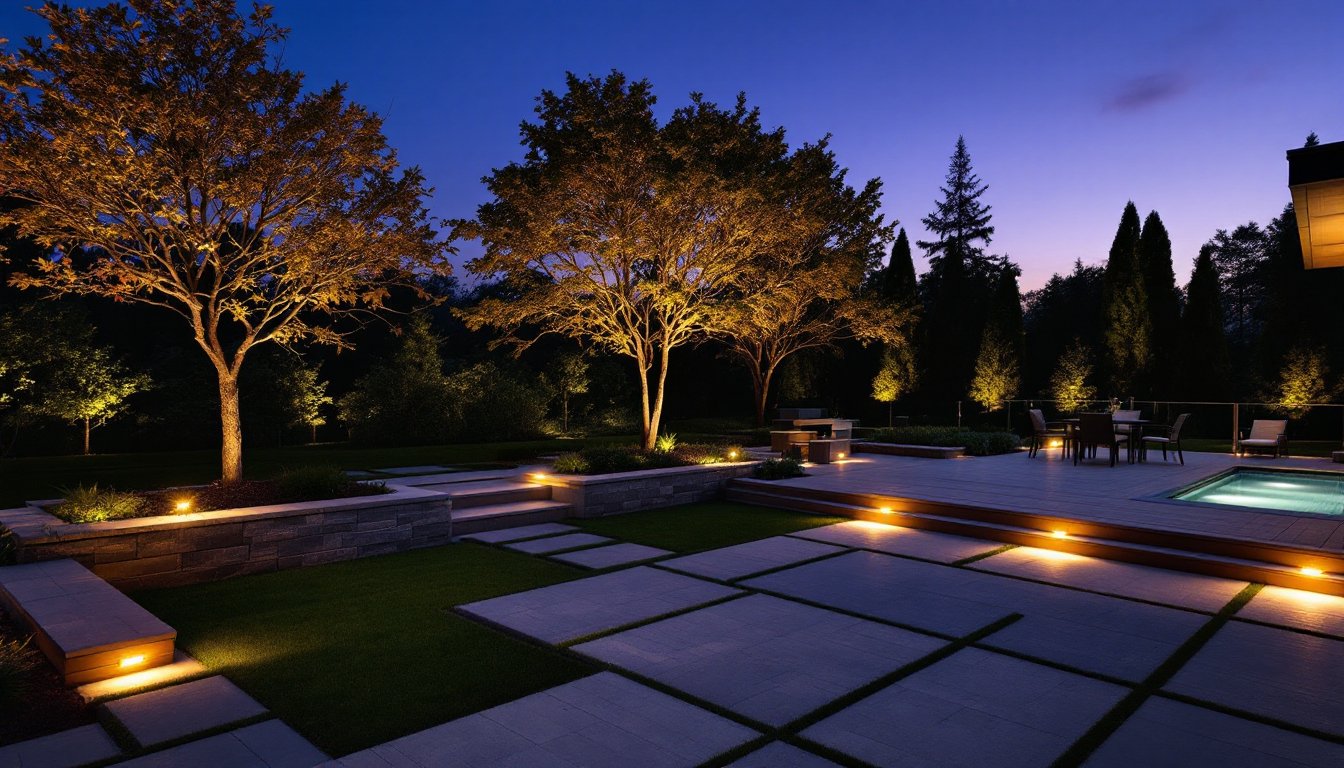
Outdoor lighting transforms a backyard from forgettable to unforgettable, but only if you pick the right brand. Walking through a dimly lit patio at dusk is one thing: experiencing a thoughtfully lit landscape with layers of illumination, proper color temperature, and durability that lasts through seasons is another. Whether you’re installing pathway lights, uplighting trees, or setting mood with deck accent lights, the brand you choose affects everything: how the fixtures hold up to weather, whether they integrate with smart home systems, and whether the light quality actually flatters your space rather than making it look like a parking lot. This guide breaks down the top landscape lighting brands for every budget and use case so you can avoid buyer’s remorse and get a system that works.
Table of Contents
ToggleKey Takeaways
- Premium landscape lighting brands offer superior durability with marine-grade aluminum, stainless steel, and UV-resistant materials that withstand seasonal weather swings and corrode less than discount alternatives.
- The best landscape lighting brands for your needs depend on climate, budget, and smart home integration—solar options like Sunforce and LEPOWER are affordable and plug-and-play, while hardwired systems from Kichler and Hue provide long-term reliability and 10+ year lifespans.
- Hardwired low-voltage (12V) landscape lighting systems cost more upfront ($400–$1,500) but save money over a decade compared to replacing solar lights every 3–5 years, making them the better long-term investment.
- Smart integration with your existing ecosystem (Apple HomeKit, Alexa, Google Home) is critical—Hue and Lutron lead for HomeKit, while Ring and Govee excel with Amazon Alexa compatibility.
- Aesthetic quality matters significantly: material finish and design from brands like Jellyfish and Landscape Forms complement modern architecture, whereas cheap plastic solar lights undermine upscale landscapes.
- Installation complexity ranges from DIY-friendly solar lights to hardwired systems requiring cable burial and transformer setup; hire a landscape electrician ($500–$1,500 labor) if you’re uncomfortable with basic wiring.
Why Choose Premium Landscape Lighting Brands
A cheap landscape lighting kit might cost less upfront, but it often fails within a season or two. Fixtures corrode, connections short out in heavy rain, and the light output dims as LEDs degrade. Premium landscape lighting brands invest in better materials, marine-grade aluminum, stainless steel hardware, and UV-resistant plastics that hold up to sun exposure and freeze-thaw cycles.
Build quality matters because landscape fixtures sit outside year-round, taking hits from temperature swings, moisture, and UV radiation. A $30 solar light from a discount retailer might look fine in the box, but after six months of weather, the plastic yellows, the solar panel efficiency drops, and the battery holds barely enough charge for an hour of light. Premium brands engineer for longevity: sealed connections, rated voltage ranges (usually 12V for low-voltage systems, which is safer and more efficient than standard line voltage), and fixtures tested to IP65 or IP67 ratings (meaning they handle dust and water immersion).
Smart integration is another reason to go with established brands. If you want your landscape lights to sync with a sunset timer, dim to 20% after midnight, or respond to motion, you need a system with solid firmware support and app reliability. Mass-market brands often abandon their apps or struggle with WiFi connectivity, leaving you with “smart” lights that don’t actually work. Reputable landscape lighting brands maintain software updates and offer genuine customer support when something breaks.
Top-Rated Landscape Lighting Brands for Every Budget
Solar-Powered Leaders
Sunforce and LEPOWER dominate the solar landscape lighting market because they nail the fundamentals: bright LEDs, reliable solar panels, and batteries that charge consistently. Sunforce fixtures typically run $25–$60 each and come in pathway lights, spotlights, and wall sconces. The solar panels sit at an angle to catch maximum sun, and the batteries are rated for 500+ charge cycles (roughly two years of nightly use). These are not luxury picks, but they work predictably in zones 3–9 without wiring or permits.
Jellyfish Lighting caters to homeowners who want solar without the typical plastic-light-sabre look. Their designs lean minimalist: clean lines, warm 3000K color temperature (which mimics incandescent and looks less clinical than harsh 6500K), and materials like powder-coated metal that age gracefully. Expect to pay $40–$100 per fixture, but the aesthetic payoff is real. They’re ideal for contemporary landscapes or Japanese gardens where cheap plastic solar lights would kill the vibe.
Ring Smart Lighting (from Amazon) bundles solar pathway lights with app control and motion detection. A set of 8 lights runs around $80–$120. The integration with Ring cameras and Alexa is seamless if you’re already in the Amazon ecosystem. But, WiFi connectivity requires being within range of your home network, which limits placement for larger properties.
Wired System Specialists
Kichler is the gold standard for hardwired landscape lighting. Their fixtures are available at most big-box home improvement stores, come in dozens of styles (from rustic to contemporary), and are rated for 25,000+ hour LED lifespans. A complete Kichler system, transformer, wiring, and 10–15 fixtures, runs $400–$1,000 depending on coverage area and fixture count. You’ll need to run low-voltage cable (typically 12V) from a transformer plugged into an outdoor outlet. No digging trenches for heavy line voltage: the 12V system is DIY-friendly and doesn’t require an electrician’s permit in most jurisdictions.
Landscape Forms specializes in site-specific, modular lighting for high-end residential and commercial projects. Prices are steep ($150–$300+ per fixture), but the design flexibility is unmatched. They work with landscape architects to create systems that highlight focal points, water features, specimen trees, architectural details, using precise beam angles and color rendering. If your budget allows and you want museum-quality outdoor lighting, this is the brand.
Philips Hue Outdoor brings smart home integration to hardwired landscape lighting. Hue fixtures work on 12V systems and connect via a WiFi bridge to your home network. You can change color (millions of options), dim, and schedule lights from an app, or set them to sync with music or sunrise/sunset times. A starter kit with 3 lights, bridge, and power supply costs around $350–$450. Individual fixtures add $30–$60 each. It’s pricier than basic Kichler, but the smart control and color-changing capability justify the premium for tech-forward homeowners.
Smart and Connected Options
Nanoleaf Essentials Outdoor String Lights appeal to deck and patio users who want color-changing ambiance with app and voice control. They’re not traditional landscape lights: they’re more accent lighting for sitting areas. Panels sync to music, respond to voice commands (Alexa, Google), and support HomeKit integration. Around $200–$300 for a 10-foot setup, they’re affordable for the smart home features and look contemporary hanging over a seating area or along a fence.
Lutron Caseta Wireless Outdoor Lights integrate with the Lutron ecosystem (used in many smart homes). Fixtures and switches pair to a hub, which communicates with other smart home platforms. A starter kit runs $150–$200, with individual fixtures at $25–$60. If you’re already using Lutron for interior lighting, extending that consistency outdoors is a smart move. The wireless pairing eliminates extra wiring, though fixtures still need power (either hardwired or plugged into GFCI outlets).
Govee Landscape Lights offer app-controlled color-changing pathway lights and spotlights at budget-friendly prices ($40–$80 for a set of 4). They’re wireless (battery-powered), connect via 2.4GHz WiFi, and offer thousands of color options. Durability is the tradeoff, Govee lights aren’t as robust in severe climates and may need battery replacements every 1–2 years. They’re ideal for renters, seasonal setups, or testing out smart lighting before investing in a hardwired system.
How to Select the Right Brand for Your Landscape
Climate and Exposure are the first filters. If you live in a humid subtropical zone with salty air, corrosion resistance is critical, look for stainless steel or powder-coated aluminum with conformal coating on circuit boards. In cold zones (below 0°F winters), batteries lose capacity, so solar lights may not provide enough runtime. A hardwired system with consistent 12V power is more reliable in extremes.
Area Coverage and Layout determine whether you need multiple fixtures or just accents. A large property with deep trees might need 15–20 landscape fixtures, making a modular low-voltage system (Kichler, Landscape Forms) more practical than individual solar lights scattered around. For a small patio or walkway, solar pathway lights or smart deck lights are faster to install and don’t require trenching. Use a Lighting Layout Tool: Revolutionize to plan placement and visualize beam angles before buying.
Integration with Existing Systems matters if you’re already invested in smart home tech. If you use Apple HomeKit, Hue and Lutron are your best bets. Amazon Alexa users benefit from Ring and Govee. Google Home compatibility is widest with Hue and Nanoleaf. Avoid brands that don’t offer integrations matching your ecosystem, you don’t want lights you can’t control easily.
Budget Reality Check requires honesty about maintenance. Solar lights are cheap initially but often require annual panel cleaning, battery replacement every 1–2 years, and fixture replacement every 3–5 years if durability is poor. Hardwired systems cost more upfront ($400–$1,500 for a complete installation including transformer and wiring), but last 10+ years with minimal maintenance. Do the math: a $50 solar light replaced every 3 years costs $166 over a decade. A $150 hardwired Kichler fixture rated for 25,000 hours costs roughly $15–$20 per year in bulb replacement and electricity (LED draws minimal power). The wired system wins long-term.
Aesthetic Fit shouldn’t be overlooked. Cheap plastic solar lights read as plastic from 10 feet away, especially in evening light. If your home’s landscape is contemporary, minimalist, or upscale, materials and finish matter. Brands like Jellyfish, Landscape Forms, and Lutron offer fixtures that complement architecture instead of fighting it. Visit a showroom or watch videos of fixtures in actual yards (not just product photography) before committing. Expert lighting design from resources like Better Homes & Gardens and Gardenista’s landscape lighting collection can inspire your direction.
Installation Complexity is real. Solar and battery-powered smart lights are plug-and-play: anyone can install them in an afternoon. Hardwired 12V systems require running cable (burying it 6 inches deep in landscape beds or attaching it to structures), connecting a transformer to a GFCI outlet, and splicing wire connections. If you’re not comfortable with basic wiring or don’t want to spend a Saturday digging trenches, hire a landscape electrician for the heavy lifting. It’s not cheap ($500–$1,500 labor depending on your area), but it ensures the system is safe and code-compliant. Articles on home lighting fundamentals can walk you through the basics if you want to understand the process before calling a pro.
Conclusion
The best landscape lighting brand for your home depends on climate, budget, aesthetics, and how much control you want. Solar and battery-powered options are fast and affordable: hardwired systems with premium brands last longer and integrate with smart home ecosystems. Spend the extra money on proven brands like Kichler, Hue, or Lutron if you want reliability. Save by choosing Govee or Sunforce if you’re renting or testing ideas. Whatever you pick, avoid the impulse to buy the cheapest option, landscape lighting is too visible and too weather-exposed to gamble on no-name brands.